US chip stocks plunge 8% as rate divergence and valuation fears weigh on markets
Investors reassess stretched tech valuations and AI demand sustainability amid diverging interest rate outlooks and broader macroeconomic uncertainty.
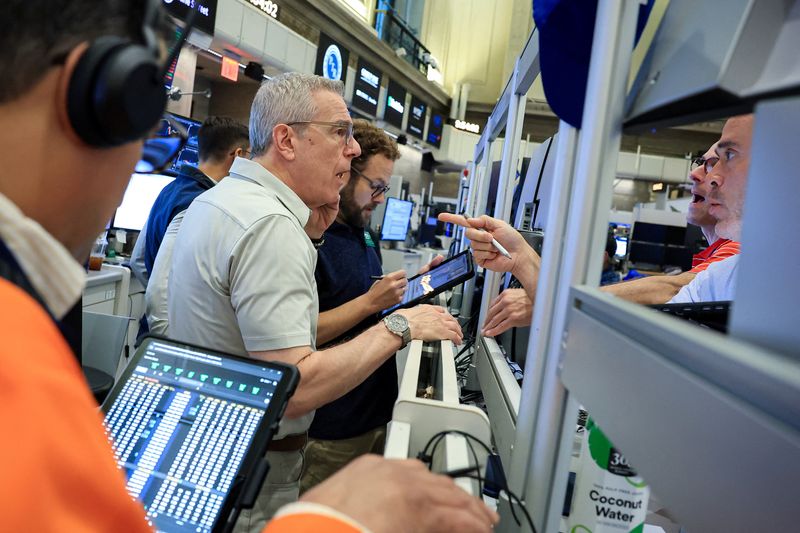
US chip stocks suffered a sharp correction on Tuesday, with the high-flying semiconductor index plunging 8% as market volatility intensified. The sell-off was led by Micron Technology, whose shares fell approximately 13%, wiping out previous gains ahead of its critical earnings update. The decline in the sector, which had doubled in value earlier in the year, reignited concerns regarding stretched technology valuations and the sustainability of AI-driven demand.
The turbulence in the US market was mirrored globally, with South Korea’s KOSPI retreating 10% earlier in the day and the Nasdaq shedding more than 2%. While Asian bourses and US futures stabilised overnight following the initial shock, the episode has prompted renewed scrutiny of whether the recent rally in memory chips has outpaced fundamentals. Micron’s stock, which has risen more than 200% this year, is now viewed as a key test for the sector’s trajectory.
Market sentiment has been further complicated by a significant divergence in Federal Reserve rate forecasts, creating uncertainty for investors. Bank of America is projecting three rate hikes through next January, whereas Citi anticipates three cuts over the same period. This split in expectations has contributed to a pumped-up rate-rise narrative following last week’s policy meeting, adding pressure to equity valuations.
In the currency and commodities markets, the US dollar index reached a 13-month high on rate-hike bets, raising attention on potential intervention by the Bank of Japan to prevent the greenback from hitting 40-year highs against the yen. Meanwhile, Brent crude oil prices dipped below $76 per barrel, reaching four-month lows influenced by US-Iran talks and increased shipping activity in the Gulf. Japan’s government is also reportedly seeking better ways to manage its $1.3 trillion foreign exchange reserves.
Beyond technology, other sectors faced headwinds. FedEx shares fell 6% in after-hours trading due to concerns regarding tighter margins in its latest earnings report. Private credit markets also showed continued instability, with Morgan Stanley reporting heavy redemptions from its flagship funds, joining Apollo in recent reports of investor caution.
Political sentiment in the US also shifted, with Donald Trump’s overall approval rating dropping to 34% in the latest Reuters/Ipsos poll, the lowest level of his second term since April. His approval rating on the cost of living stood at 22%, below that of his Democratic predecessor Joe Biden at the end of his presidency, while only 24% of Americans believed the war with Iran was worth the costs.