US charges former Cuban leader Raul Castro as tensions with Havana escalate
The United States has formally charged former Cuban President Raul Castro, prompting reactions from communities in Havana and Miami. The legal action coincides with heightened diplomatic friction, recent US sanctions, and reports of Havana acquiring military drones from Russia and Iran.
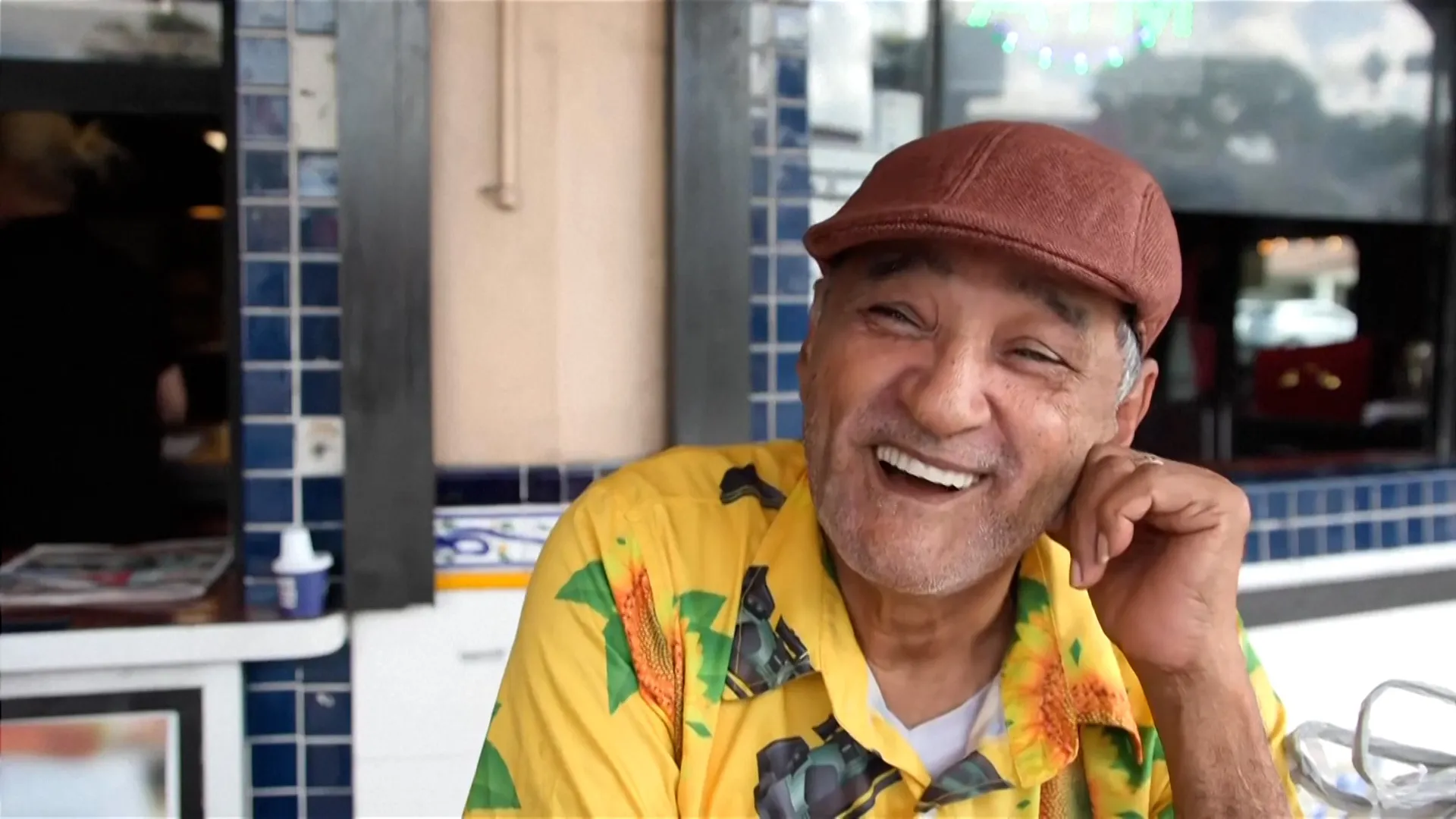
The United States has issued charges against former Cuban President Raul Castro, a move that has elicited reactions from Cuban communities in both Havana and Miami. The indictment marks a significant escalation in the legal and political standoff between Washington and Havana, occurring against a backdrop of intensifying geopolitical tensions.
While the specific legal allegations detailed in the US indictment remain unspecified in available reports, the action underscores a hardening of the American stance towards the Cuban leadership. The charges follow a period of heightened diplomatic activity, including a recent visit by CIA Director John Ratcliffe to Havana for negotiations, which has not yet resulted in a de-escalation of hostilities.
The legal proceedings against Castro are set against a backdrop of recent punitive measures by the US Treasury. Washington has imposed sanctions on Cuba’s intelligence agency, nine Cuban nationals, and several senior Communist Party officials and generals. These financial and legal restrictions are part of a broader strategy to pressure the Cuban government over its regional activities and internal governance.
Regional friction has been further exacerbated by intelligence reports indicating that Cuba has acquired over 300 military drones from Russia and Iran. This acquisition has contributed to concerns in Washington regarding the militarisation of the Caribbean. In response to the prospect of US aggression, Cuban President Miguel Diaz-Canel has previously warned of a "bloodbath" should an attack occur, highlighting the volatile nature of the current diplomatic climate.
Despite the severity of the indictment and the surrounding military tensions, Washington has ruled out military escalation following the announcement of charges against the former leader. The administration has maintained that the path forward remains diplomatic, even as legal mechanisms are deployed to address perceived threats.
Meanwhile, humanitarian and trade flows continue amidst the political discord. On Monday, a merchant ship under a Panamanian flag arrived in Cuba carrying 1,700 tons of humanitarian aid from Mexico, illustrating the complex interplay between political condemnation and practical engagement in the region.
As the legal process regarding Raul Castro unfolds, the reactions from Cubans in Havana and Miami will likely reflect the deep divisions and anxieties present within the community. The indictment serves as a stark reminder of the enduring hostility between the two nations, with both sides maintaining firm positions on sovereignty and security.