US bourbon producers pivot to India as domestic inventory crisis deepens
A reduction in import tariffs from 150% to 100% offers a pathway for American whiskey, but industry experts warn that cultural preferences and long-term investment remain significant barriers to entry.
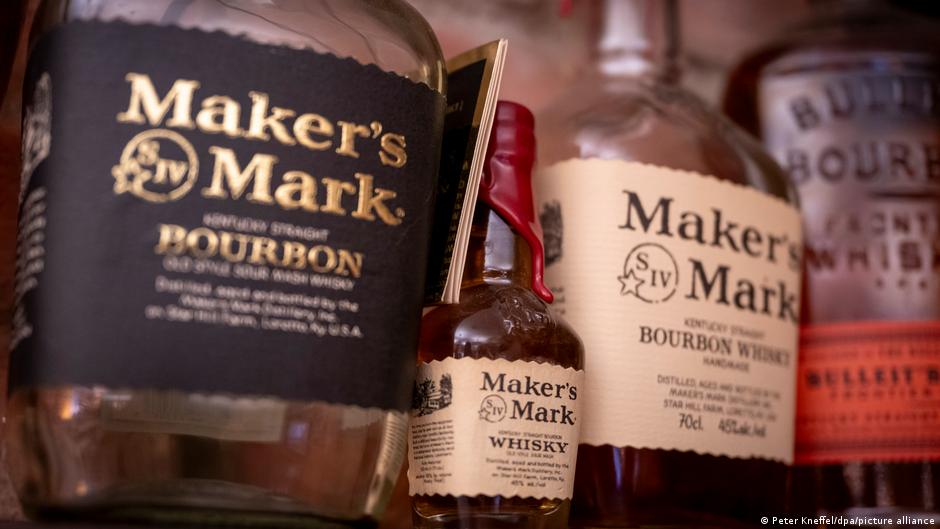
US bourbon producers are intensifying their focus on India’s whiskey market as a strategic response to a severe domestic inventory crisis. Facing a record glut of 16.1 million barrels of ageing bourbon in Kentucky warehouses, valued at $10 billion in 2025, the industry is grappling with an 8% decline in US sales last year. This contraction has been driven by shifting consumer habits among younger demographics, who are increasingly turning to tequila, hard seltzers, and non-alcoholic alternatives, leaving American distillers with what the Wall Street Journal has described as a decade’s supply of product.
The timing of this strategic pivot coincides with recent US-India trade talks, which resulted in a reduction of import tariffs on US whiskey from 150% to 100%. For years, the steep duty rate rendered bourbon prohibitively expensive in India, limiting its availability and consumer reach. The tariff reduction significantly improves the economic viability of exporting American whiskey to the world’s largest whiskey market, where India consumes approximately 230 million cases annually, accounting for nearly half of global sales.
Despite the favourable tariff environment, bourbon remains a niche category in India, dwarfed by the dominance of Scotch and local blends. In 2024, India imported just $8.8 million worth of US-produced whiskey, a volume described as minimal relative to the total market. Current data indicates that bourbon and Tennessee whiskey together sell fewer than 300,000 cases annually in India, compared with 8.5 to 9 million cases for Scotch. Industry executives note that the challenge is as much cultural as it is commercial, with Indian drinkers traditionally preferring lighter, grain-forward profiles over the sweeter, corn-heavy character of bourbon.
However, the Indian market presents distinct growth opportunities, particularly within the premium segment. Beverage alcohol sales in India rose by 7% in the first half of 2025, with urban consumers in cities such as Mumbai, Delhi, and Bengaluru increasingly trading up to imported and premium brands. Vinod Giri, director general of the Brewers Association of India, emphasised that while price is a factor, it is not the primary barrier. He noted that Jim Beam is already bottled in India and often sells cheaper than imported bourbon, suggesting that marketing, visibility, and execution are the critical drivers for success.
Experts urge Kentucky distillers to adopt a long-term perspective, warning that the Indian market does not reward short-term strategies. Rukn Luthra of spirits consultancy Fermentras argued that American brands have historically underestimated the market, and success will require authentic branding and consistent local partnerships. Vijay Kauthekar of John Distilleries added that metro cities are likely to become the initial battleground, particularly in premium bars where cocktails featuring bourbon are gaining popularity. For an industry struggling with oversupply, India represents a rare opportunity for growth, provided producers are willing to commit to a five-to-ten-year horizon.