US Border Wall Construction Set for Late 2027 Completion Despite Smuggling Adaptations
Rodney Scott confirms reinforced barrier will extend from San Diego to the Gulf of Mexico, with Big Bend National Park exempted, while drones and tunnels continue to challenge physical security measures.
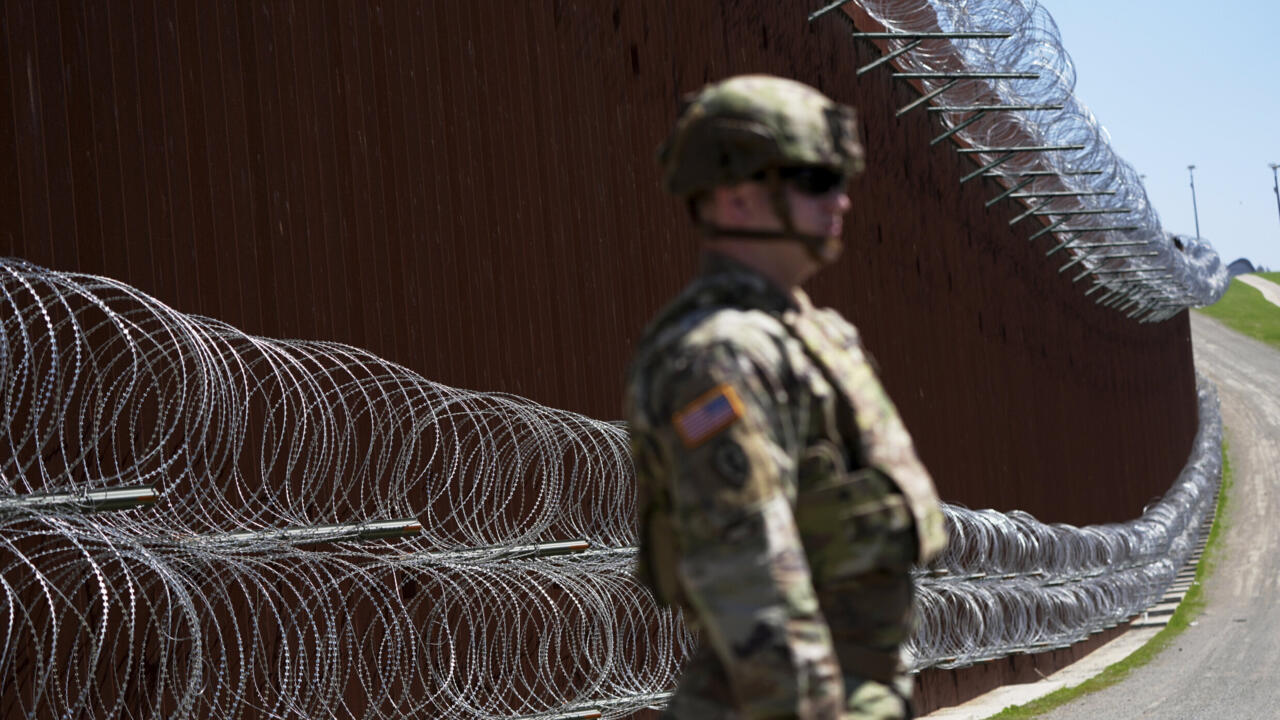
The United States is on track to complete construction of the reinforced southern border wall by late 2027, according to an announcement made on Tuesday by Customs and Border Protection (CBP) Commissioner Rodney Scott. Speaking at the Center for Immigration Studies in Washington, Scott confirmed that the project, a continuation of initiatives promised during the Donald Trump administration, is proceeding according to schedule. The barrier, constructed from reinforced metal beams, is designed to span from San Diego to the Gulf of Mexico.
Scott clarified that the physical wall will not cover every segment of the border, noting specific exceptions where officials have determined construction is unnecessary. Big Bend National Park was cited as a primary example of such an area, described as a remote location with high cliffs that render the barrier redundant. "The only places we're not building a border wall is places where we've made a conscious decision that we don't need it," Scott said, emphasising that gaps in the wall are deliberate policy choices rather than construction delays.
While the physical infrastructure aims to curb illegal immigration and narcotics trafficking, Scott acknowledged that official indicators show these activities have already declined. However, he warned that the wall alone is insufficient to address evolving smuggling tactics. Smugglers are increasingly utilising workarounds such as tunnels and drones to bypass security measures. Scott noted that drones are actively used to videotape patrol movements along the Rio Grande, facilitating the transport of narcotics across the river and complicating enforcement efforts.
To counter these technological adaptations, the CBP plans to supplement the physical wall with advanced electronic surveillance and other devices. Scott stated that the installation of this secondary technology is scheduled for completion by July or August 2028. The comprehensive system will include secondary barriers in necessary locations, water barriers, and river-specific protections along the 1,200-mile stretch of the Rio Grande in Texas.
The announcement underscores the shift in border security strategy from purely physical deterrence to a multi-layered approach involving technology and targeted infrastructure. As the 2027 deadline for the wall approaches, the focus is shifting toward the integration of electronic systems designed to monitor and disrupt the clandestine activities that continue to persist despite the presence of physical barriers.