US announces major reduction of forces in Germany, exceeding Pentagon proposal
The move could reduce the US force in Germany from over 36,000 personnel, prompting concerns from Washington lawmakers about sending the wrong signal to Moscow while German officials emphasise the need for greater European security responsibility.
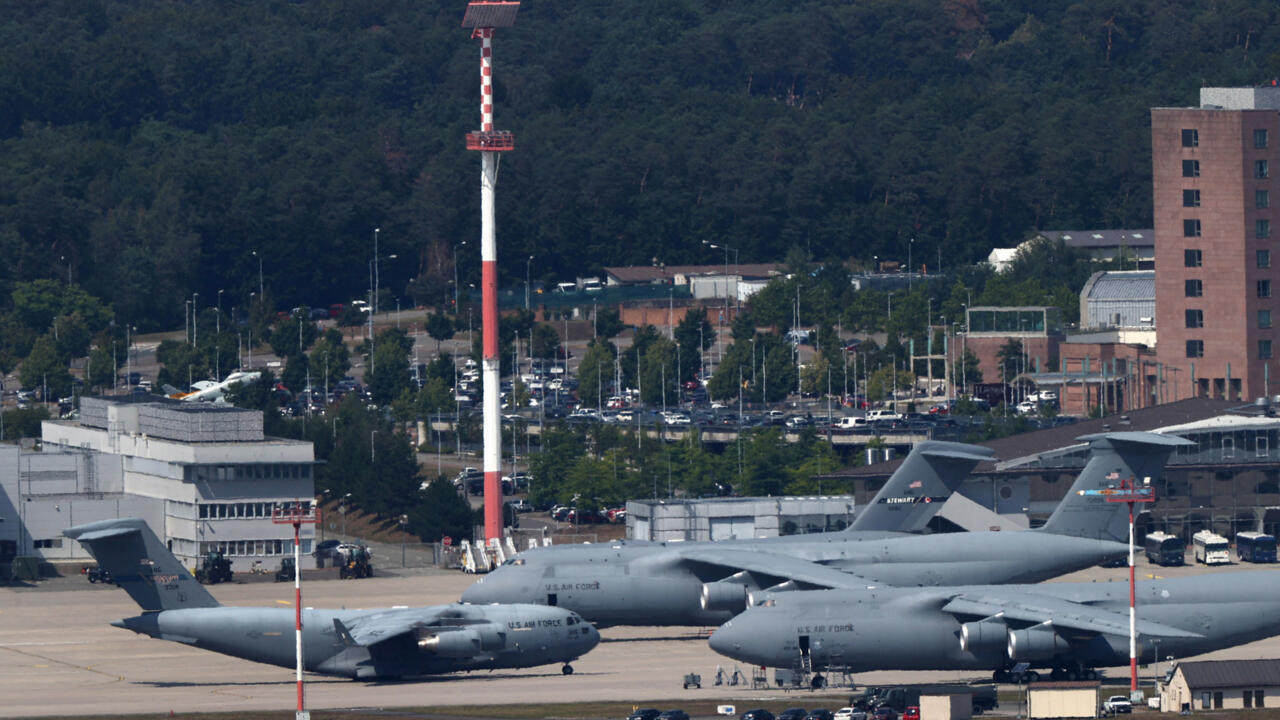
US President Donald Trump has announced plans to withdraw thousands of troops from Germany, a decision that significantly exceeds an initial Pentagon proposal to remove 5,000 personnel. This abrupt shift in policy could see the American military footprint in the country reduced from over 36,000 troops, marking a clear break from the long-standing bipartisan consensus that has maintained a substantial US presence on the continent for decades.
The deployment in Germany has historically served as a key deterrent to Russia and a logistical hub for global operations across Africa and the Middle East. However, the administration's National Defense Strategy, released in January, now prioritises defending the US homeland and deterring China, arguing that Europe must assume greater responsibility for its own security. Consequently, the Pentagon has offered few details regarding which specific units or operations will be affected by this drawdown.
Tensions within the US political establishment have emerged alongside the announcement. Republican lawmakers, including Sen. Roger Wicker and Rep. Mike Rogers, have expressed concern that a premature withdrawal would send the wrong signal to Vladimir Putin amidst the ongoing war in Ukraine. These legislators suggested that troops should be shifted to bases in Eastern Europe rather than withdrawn entirely, noting that allies have made substantial investments to host US forces.
The friction extends to the transatlantic relationship, with German Chancellor Friedrich Merz publicly criticising Washington's approach. Merz has stated that the US is being humiliated by Iran and lacks a clear strategy, leading to escalating tensions between the two leaders. Concurrently, German Defence Minister Boris Pistorius has emphasised the need for Europe to take more responsibility for its own security as the Bundeswehr continues to expand.
Germany is actively modernising its military in response to these geopolitical shifts. Since Russia launched its full-scale war in Ukraine in 2022, Berlin has established a €100 billion special fund to boost the Bundeswehr. The government has announced plans to raise active military personnel to 260,000, up from approximately 180,000, with a target of 200,000 reservists to ensure the nation can better shoulder its security obligations.
While the US European Command has reinforced the benefits of a strong footprint on the continent for projecting power globally, the administration remains committed to its new strategic vision. The decision to reduce forces in Germany, which also hosts US nuclear weapons and the headquarters for US European and Africa commands, underscores a significant recalibration of American defence priorities in the region.