US and UK mediation collapses as Somalia’s political crisis deepens
With constitutional legitimacy contested and security conditions dire, Somalia faces a dangerous political deadlock amid regional geopolitical shifts and declining foreign aid.
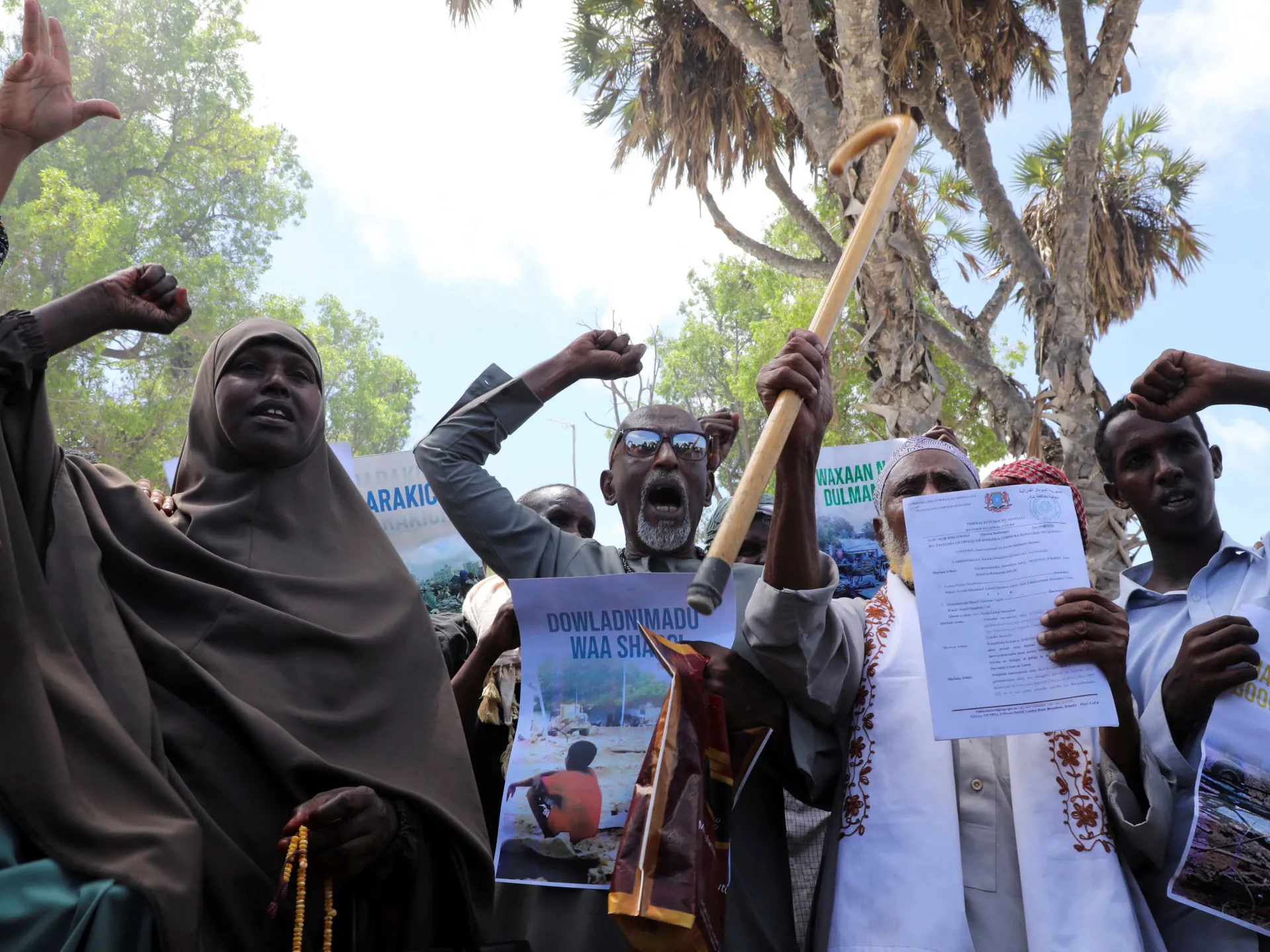
Mediation efforts led by the United States and the United Kingdom collapsed on May 15, leaving Somalia without an agreed path to elections or a political transition. The failure occurred as President Hassan Sheikh Mohamud’s four-year term expired, intensifying a crisis characterised by contested constitutional legitimacy, regional fragmentation, and rising insecurity. Justin Davis, the US chargé d’affaires to Somalia, and UK ambassador Charles King had been leading the talks, but their inability to secure an agreement leaves the country at a critical juncture.
The government’s unilateral constitutional amendments and electoral law changes have been rejected by the opposition, Puntland, and Jubbaland, who view them as a power grab. The administration unilaterally changed the constitution, extending the presidential term from four to five years, and established an election commission rejected by opponents. Critics argue these moves concentrate executive, legislative, and judicial powers in the hands of President Mohamud, undermining the 2012 constitution which opponents maintain remains the law of the land.
Security conditions remain dire with record fatalities in 2025 attributed largely to al-Shabab. According to the ACLED database, national fatalities reached a record high last year, with tens of thousands of deaths recorded during the current administration’s four-year term. While security in the capital has improved, widespread violence persists in south-central Somalia, with al-Shabab controlling significant parts of the country and key roads.
Humanitarian needs are worsening amid declining foreign aid and economic fragility. Foreign aid has been declining since the Trump administration dismantled USAID in 2025, while Somalia’s domestic revenue-to-GDP ratio remains in the low single digits. Humanitarian agencies warn that millions of Somalis are food insecure, and concerns over the viability of the state have led to increased interest in a resource-based economy, particularly as Turkiye expands its involvement in Somalia’s oil and fisheries sectors.
The political rupture is unfolding against a backdrop of intensifying regional and global rivalries. Israel became the first country to officially recognise Somaliland late last year, intensifying competition among rival regional powers. Turkiye has expressed interest in mediation efforts, leveraging its influence with political actors in both the government and the opposition. Meanwhile, the government has been accused of silencing dissent by jailing journalists and civic activists, further eroding civic space and public trust in state institutions.