US and Iran signal progress in nuclear and war agreement talks amid ongoing conflict
President Donald Trump and Iranian officials indicate converging positions on a ceasefire, though significant hurdles remain regarding nuclear restrictions and control of the Strait of Hormuz.
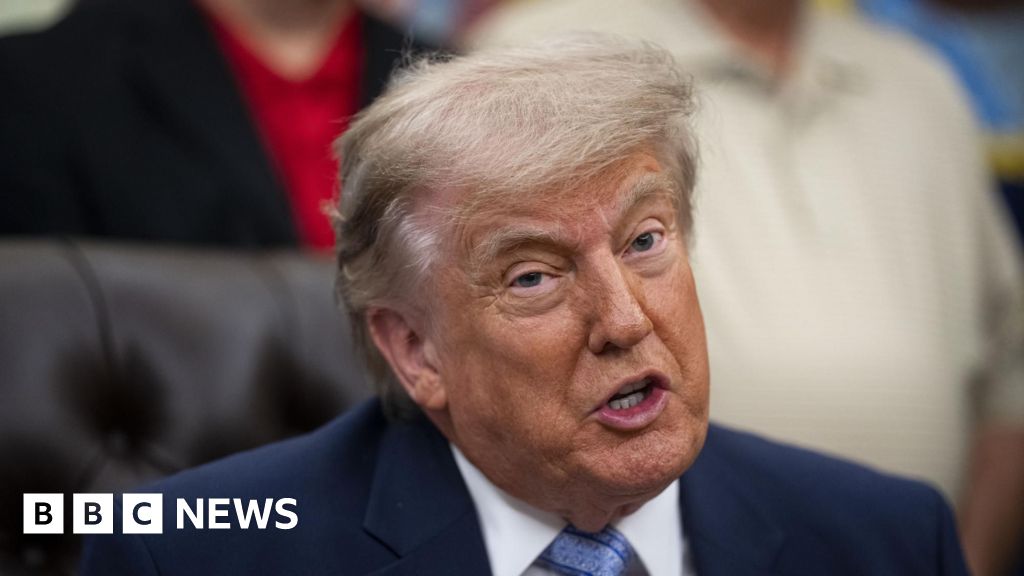
US President Donald Trump has indicated that Iran is "getting a lot closer" to reaching a comprehensive agreement regarding the ongoing conflict, a sentiment echoed by Iranian officials who confirmed progress in recent negotiations. Despite this diplomatic thaw, both sides remain cautious, with Iran’s foreign ministry specifying that the contentious issue of nuclear weapons would not be included in the initial framework of any potential deal.
The US President told CBS News that he had reviewed a draft agreement but declined to assess its quality, stating he would only sign a deal that secured "everything we want." While Trump insisted that any final arrangement must absolutely prevent Iran from obtaining nuclear weapons, Iranian Foreign Ministry spokesperson Esmaeil Baqaei clarified that the current focus is on a 14-point memorandum of understanding. Baqaei noted that further talks could occur within 30 to 60 days, potentially leading to a final agreement, though he warned that convergence on positions does not guarantee immediate resolution on all key issues.
Military pressure remains a central component of the US strategy, with Washington maintaining a strict blockade of Iranian ports that commenced on 13 April. US Central Command (Centcom) reported that its forces have redirected 100 vessels, disabled four, and allowed 26 humanitarian aid ships to pass since the blockade began. Centcom commander Admiral Brad Cooper described the operation as "highly effective," asserting that it has squeezed Iran economically by allowing zero trade into and out of Iranian ports.
Tensions over maritime control persist, with Iran claiming military authority over areas around the Strait of Hormuz and asserting that all transit requires authorisation from the "Persian Gulf Strait Authority." The US and its Gulf allies have repeatedly rejected these claims, maintaining that the waterway remains international and instructing ships not to comply with Iranian rules. US Secretary of State Marco Rubio, while visiting India, expressed cautious optimism and emphasised the US position that Iran must not be allowed a nuclear weapon and must turn over its highly enriched uranium.
Diplomatic efforts are intensifying ahead of the weekend, with President Trump scheduled to hold phone calls with leaders from Saudi Arabia, Qatar, the UAE, Egypt, Turkey, and Pakistan. Trump cancelled his attendance at his son Donald Jr’s wedding to remain in Washington DC during this critical period, underscoring the administration's focus on securing a resolution. The shift in tone follows a recent period of strained relations, during which the White House had hinted at potential military strikes, but current signals suggest a window for a negotiated ceasefire is opening.