US and Iran resume hostilities after Islamabad MoU collapse, closing Strait of Hormuz
Diplomatic optimism has waned as military escalation widens, with crude prices surging and US fatalities reaching 17 following the breakdown of the June 17 agreement.
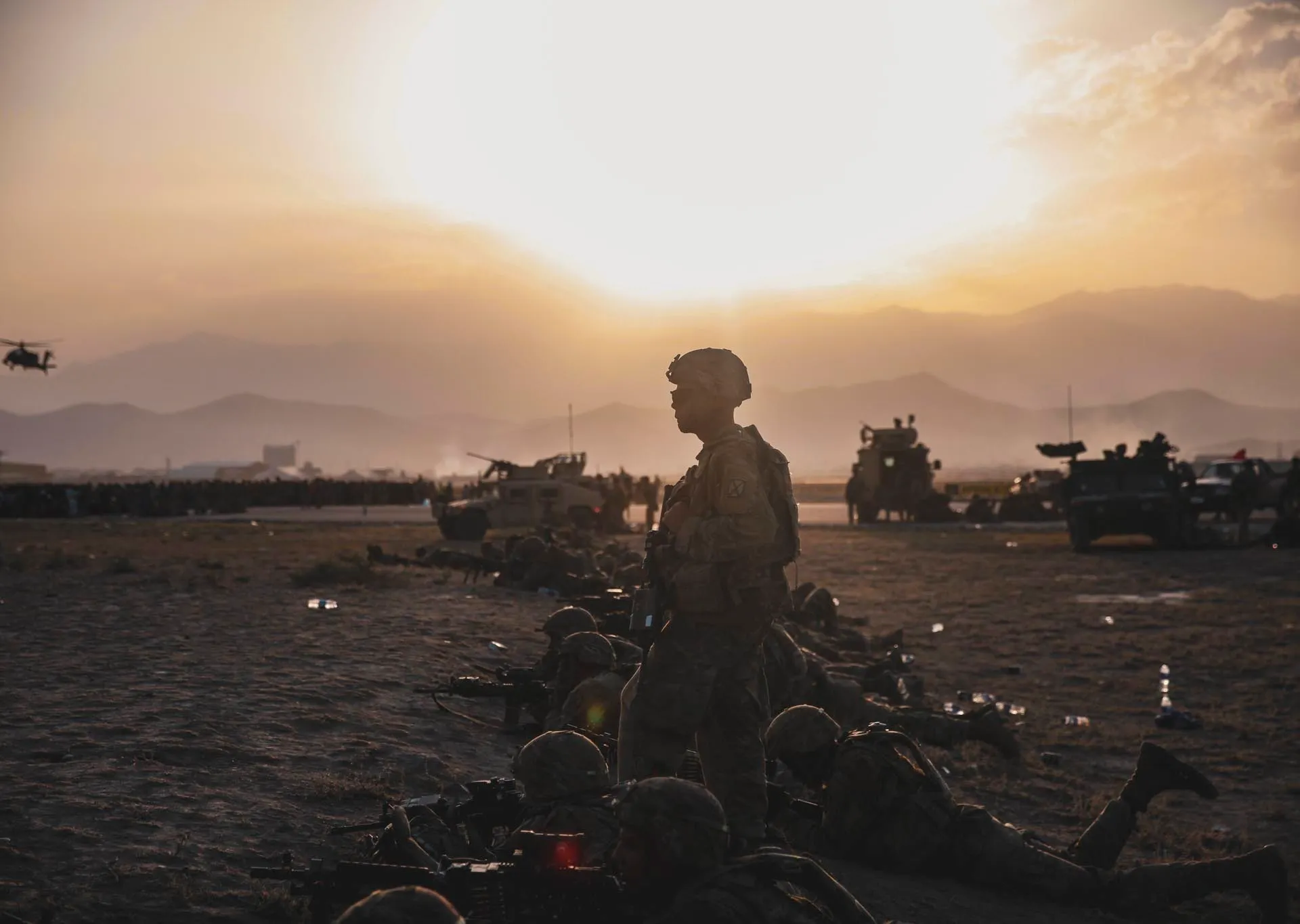
The United States and Iran have resumed full-scale military hostilities following the collapse of a memorandum of understanding signed in Islamabad on June 17. Both nations have accused each other of violating the truce, with US President Donald Trump declaring the agreement over and Tehran stating it no longer intends to adhere to its terms. The breakdown has triggered a cycle of nightly attacks on Iranian defence facilities and maritime capabilities, alongside retaliatory strikes by Iran on US military bases in Jordan and Gulf states.
The conflict has severely disrupted global energy markets after Iranian authorities closed the Strait of Hormuz, a waterway through which 20 percent of the world’s oil and gas passed during peacetime. The closure has halted oil transit and caused crude prices to surge, marking the largest disruption to global oil and liquefied natural gas supplies in modern history. The move reverses the brief economic stabilisation that had occurred when the MoU had paved the way for the strait’s reopening.
Military engagement has expanded beyond Iran’s borders, with hostilities reported in Jordan, Bahrain, and Kuwait. Iranian forces have targeted US military facilities in these regions, including an aircraft at Aqaba airport, while US forces have conducted strikes on Iranian coastal areas and southern islands. The fighting has resulted in 17 US military deaths, including three fatalities in the past 10 days, and over 420 wounded personnel. Iranian officials report that more than 50 people have been killed and approximately 500 wounded in US attacks over the past three weeks.
The economic fallout has been severe, particularly for Iran and the Gulf Cooperation Council states. The Iranian rial has depreciated sharply, touching nearly 1.9 million against the US dollar, while inflationary pressures have intensified. In the Gulf, the conflict has threatened diversification strategies in tourism, aviation, and real estate, with insurance and transport costs rising significantly. Iranian attacks have also damaged civilian infrastructure in Kuwait, including power and desalination plants, drawing widespread regional condemnation.
Diplomatic prospects have dimmed as analysts note that economic pressures may eventually force negotiations, but the immediate probability of further escalation remains high. While some economists suggest that mounting losses could incentivise a return to talks, experts indicate there is no imminent drive from either side to secure a new deal. The widening scope of the conflict and the closure of critical maritime routes have left regional stability in jeopardy, with no clear path to de-escalation in the near term.