US and Iran resume air strikes near Strait of Hormuz despite ceasefire
Hostilities erupt near the critical shipping lane as Washington claims self-defence against Iranian drone operations, while Tehran retaliates against US assets.
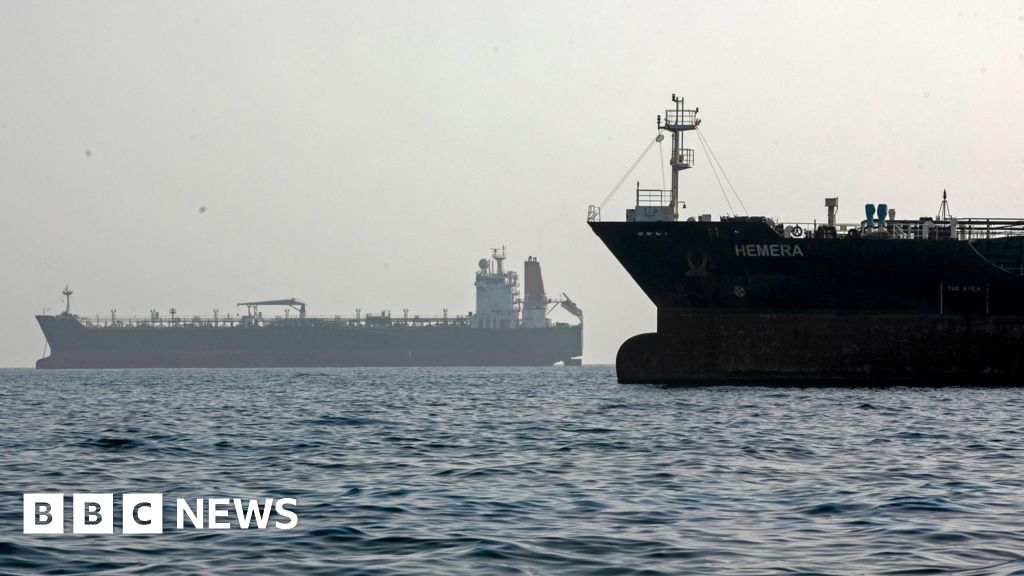
The United States and Iran have resumed air strikes against each other’s military facilities in the vicinity of the Strait of Hormuz, marking a significant escalation in regional tensions. The exchange of fire occurred over the weekend, directly contradicting a ceasefire that has been in effect since 8 April and undermining ongoing, albeit stalled, peace negotiations between the two nations.
US Central Command (Centcom) stated it conducted self-defence strikes on Iranian radar, drone command and control sites, air defences, and a ground control station in Goruk and on Qeshm Island. The US military attributed these actions to aggressive Iranian conduct, specifically citing the shootdown of a US MQ-1 drone operating over international waters. Centcom confirmed that US fighters also targeted two drones described as posing a clear threat to ships transiting through regional waters. No American servicemen or women were injured in the attacks.
In retaliation, Iran’s Islamic Revolutionary Guard Corps (IRGC) claimed it had targeted a US air base used to carry out strikes on its communications tower on Sirri Island, located approximately 40 miles from Iran’s southern coastline. Iran’s military warned that its response would be completely different if US aggression was repeated, according to remarks reported by the semi-official Fars news agency.
Kuwait’s military reported confronting hostile missile and drone attacks using its air-defence systems, though it did not specify the location of the interceptions. This follows events from last week, where Iran targeted an air base in Kuwait in response to earlier US air strikes, which Tehran stated were conducted to prevent Iranian boats and missile strikes from laying mines around the shipping channel.
The military escalation coincides with a breakdown in diplomatic efforts to de-escalate the conflict. President Donald Trump recently requested edits to the latest iteration of a proposed peace deal, which reportedly included a 60-day cessation of violence, the reopening of the Strait of Hormuz, and a framework for renegotiating Iran’s nuclear program. Iran has dismissed Trump’s request for changes as speculation, with no sign of a breakthrough in the talks.
The resumption of hostilities poses immediate risks to global energy markets, as approximately one-fifth of worldwide oil and liquefied natural gas shipments pass through the Gulf shipping channel. A de facto trade embargo is already exerting upward pressure on fuel prices around the world, and further instability in the Strait of Hormuz threatens to exacerbate these economic pressures.