US and Iran reach tentative ceasefire deal amid ongoing reciprocal strikes
Tehran and Washington trade claims of military strikes on Thursday, while reports suggest a 60-day extension to their ceasefire agreement awaits presidential approval.
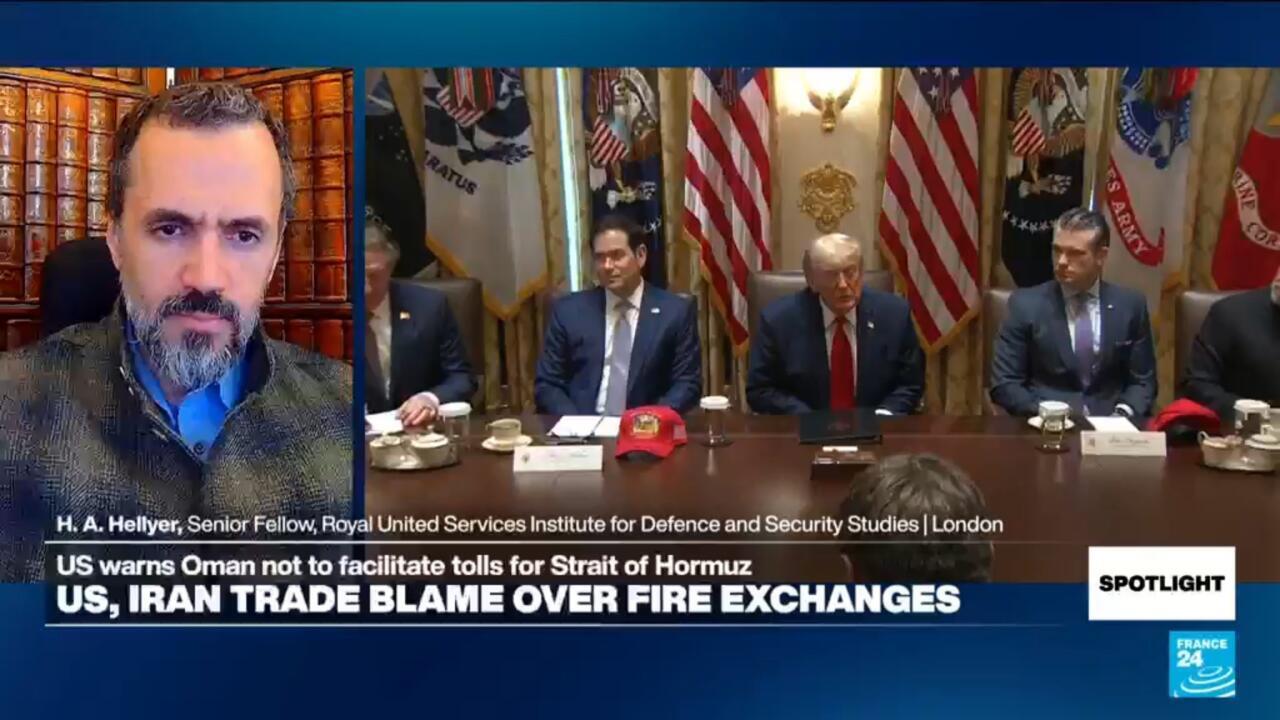
Tensions between the United States and Iran escalated on Thursday following a series of reciprocal military exchanges. Tehran asserted that it had fired upon a US army base in the region, while Washington reported that it had struck the Bandar Abbas port in Iran. The conflicting claims underscore the volatile nature of the current standoff between the two nations.
Despite the hostilities, diplomatic channels appear to be active. Axios reported later on Thursday that both countries had reached an agreement on a memorandum of understanding to extend their existing ceasefire for a period of 60 days. This development suggests a potential de-escalation pathway, although the situation remains fluid.
The proposed extension is not yet finalised. President Donald Trump has not yet approved the memorandum of understanding, leaving the status of the ceasefire in limbo. The delay in presidential endorsement highlights the political complexities involved in formalising any pause in hostilities between the two adversaries.
In a parallel diplomatic effort to stabilise the region, Pakistan’s foreign minister, Mohammad Ishaq Dar, is scheduled to travel to Washington on Friday. Dar is set to meet his US counterpart, Marco Rubio, in an attempt to expedite negotiations and facilitate a broader resolution to the ongoing tensions.
The military exchanges and diplomatic manoeuvring occur against a backdrop of broader regional instability. While direct links to other geopolitical flashpoints are not explicitly established in the immediate report, the US has recently imposed sanctions on Cuba following reports of Havana acquiring military drones from Russia and Iran, adding another layer of complexity to American foreign policy in the region.