US and Iran negotiate Strait of Hormuz reopening amid global economic risks
Negotiations between Washington and Tehran include restored shipping lanes and renewed nuclear talks, with markets reacting positively to de-escalation hopes.
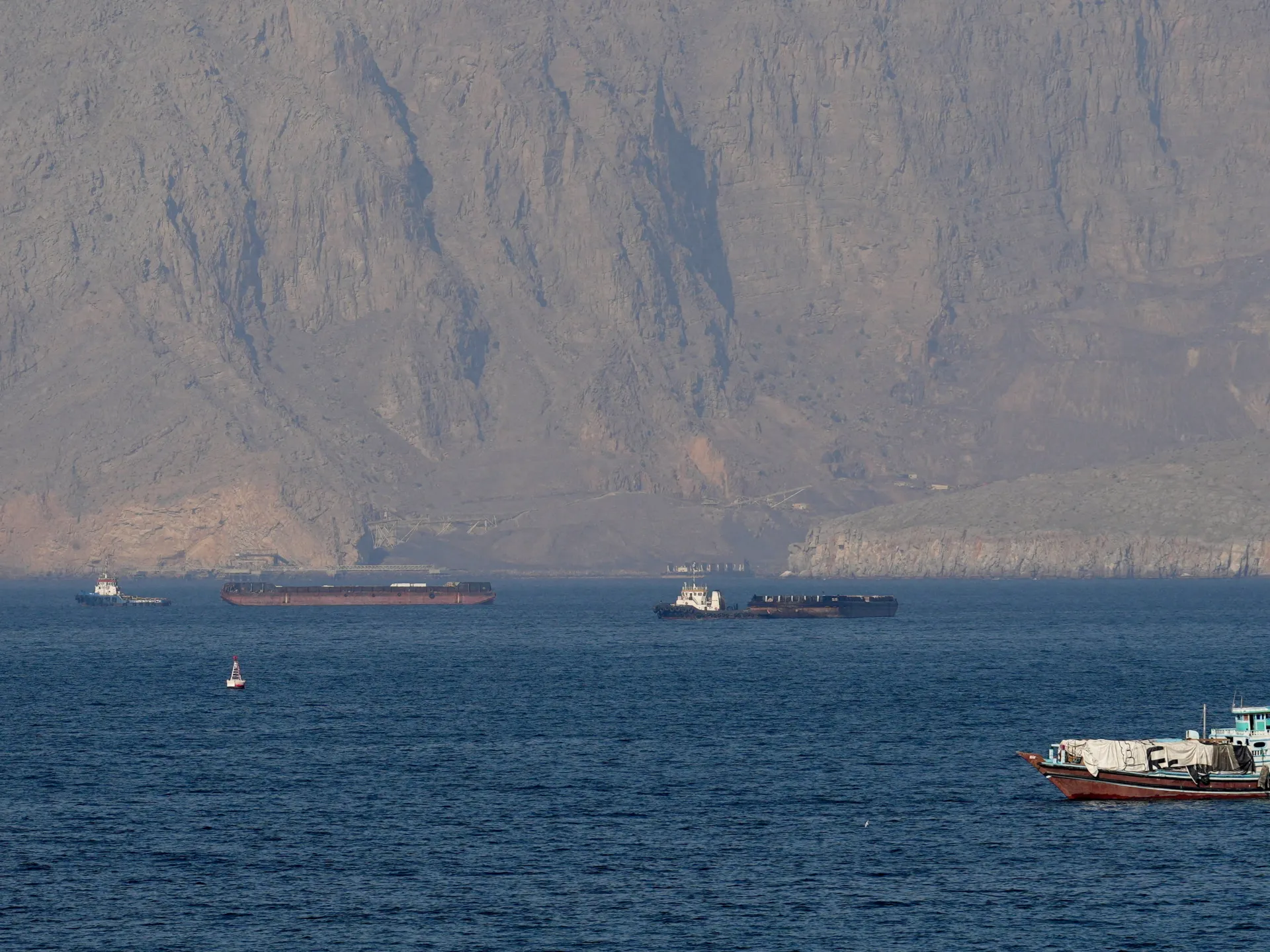
The United States and Iran are engaged in negotiations for a potential deal to reopen the Strait of Hormuz, which has been effectively closed since 28 February 2026 due to conflict. The proposed arrangement reportedly includes a 60-day truce, the restoration of shipping lanes, partial sanctions relief, and renewed talks regarding Iran’s nuclear programme. These discussions are driven by urgent global economic pressures, as disruptions to the chokepoint have significantly increased energy and food prices, threatening to deepen crises in import-dependent economies across the Global South.
Global financial markets have reacted swiftly to the prospect of a deal. Brent crude oil prices fell approximately 5% to $98.47 a barrel, while Japan’s Nikkei 225 index surged more than 3%. The rally in Asian markets was driven by investor hopes that the conflict would conclude, allowing for the resumption of normal shipping flows. However, the timing of any potential reopening remains uncertain, and US President Donald Trump has instructed his representatives regarding the negotiations without specifying a timeline.
The urgency stems from the Strait’s role as a critical global artery, with roughly one-fifth of the world’s oil and a substantial share of liquefied natural gas supplies passing through it. Disruptions have driven up freight costs, energy prices, and insurance premiums. The interconnected nature of energy and food systems means that fertiliser production, which relies heavily on natural gas, and shipping costs, dependent on oil, are directly impacted by instability in the region.
The consequences are likely to be most severe in the Global South, where many developing economies remain deeply dependent on imported fuel, fertiliser, and food. In Africa and South Asia, governments are scrambling to secure alternative supplies while confronting worsening fiscal pressures. Rising transport costs and agricultural production expenses are accelerating food inflation, deteriorating public finances as states attempt to shield populations through subsidies or emergency support.
An opinion piece from Al Jazeera, authored by a Professor of Critical Development Studies at York University, argues that the deal is a global economic necessity. The article highlights that the current energy shocks parallel the food inflation that preceded the Arab uprisings more than a decade ago, warning of potential political volatility. The author notes that populations in the Global South are least responsible for the geopolitical confrontation yet are most exposed to rising import costs and shrinking fiscal space.
Previous rounds of US-Iran negotiations have historically stalled due to mutual distrust and renewed military escalation. Deep disagreements remain over sanctions, uranium enrichment, and regional security arrangements. Despite these challenges, the alternative of a prolonged disruption poses significant risks, including deeper inflation, worsened food insecurity, and increased likelihood of broader political instability across vulnerable economies.