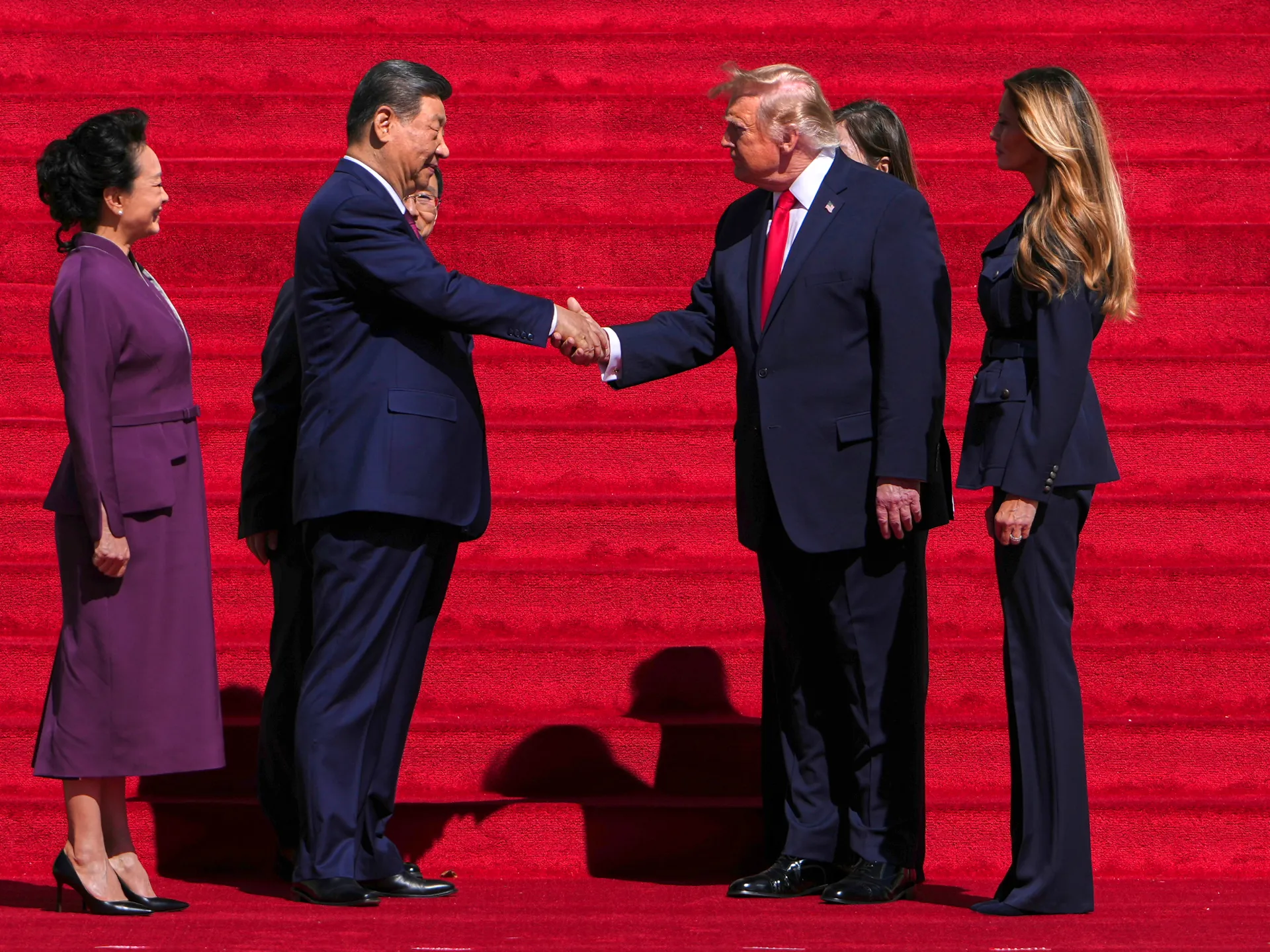
US and Iran navigate diplomatic stalemate as Strait of Hormuz talks stall
As global energy markets remain disrupted and regional tensions persist, the United States and Iran face a complex diplomatic impasse over reopening the Strait of Hormuz and extending the April ceasefire.
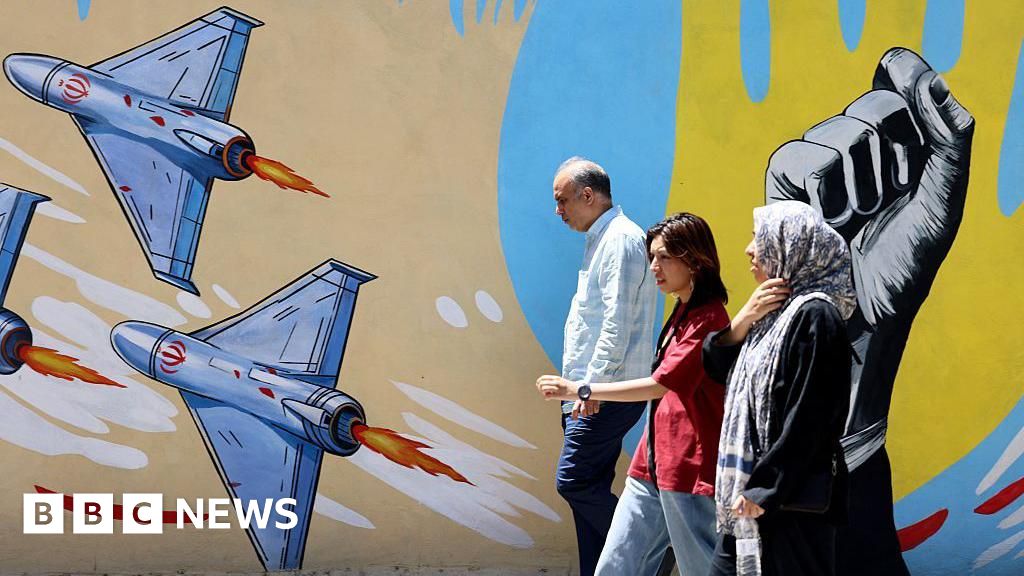
The United States and Iran are engaged in mediated diplomatic talks, facilitated by Pakistan and Qatar, aimed at extending a ceasefire announced on 8 April and reopening the Strait of Hormuz. Iran is demanding sanctions relief or the unfreezing of assets as a condition for resuming shipping through the Strait, which was closed following attacks by the US and Israel on 28 February. The US, under pressure from domestic polling and Gulf allies, is seeking a deal but faces political constraints from Republican hawks and President Donald Trump’s desire to avoid comparisons with the 2015 nuclear deal.
The closure of the Strait has disrupted approximately 20% of global oil and gas supplies, impacting the US petrol market and causing economic damage to Gulf states. While the US no longer relies on Gulf oil for domestic supply, US petrol prices are determined by the global market, linking American consumers to the disruption. Gulf states, particularly Saudi Arabia and the UAE, have suffered long-term economic damage and seek to restore the region’s stability to attract foreign investment, utilising alternative pipelines to the Red Sea and Gulf of Oman where possible.
President Trump faces a political bind, enmeshed in the consequences of a war he assumed would yield an easy victory. He is deeply allergic to any adverse comparison between a potential deal with Iran and the nuclear agreement made under Barack Obama in 2015, which he previously withdrew the US from. Consequently, Trump seeks to avoid appearing to concede to Iranian demands, even as he needs to get the Strait reopened to mitigate domestic unpopularity and economic fallout.
Recent developments have complicated the regional security landscape. Saudi Arabia has reportedly attacked Iran in retaliation for Iranian strikes, with senior sources clarifying this was an independent action rather than part of a US-Israel coalition. Meanwhile, the UAE has deployed the Iron Dome missile defence system and Israeli Defence Forces personnel to operate it, indicating a deepening strategic relationship with Israel despite the broader conflict.
Iran is using the ceasefire period to re-organise forces and repair damage inflicted by US and Israeli strikes, while maintaining high alert status. Both sides have signalled a preference to avoid a return to full-scale war, yet armed tension remains high. The first objective for mediators is a continuation of the ceasefire and an agreement on a memorandum of understanding to facilitate further talks, though Iran’s resistance remains undiminished despite military pressure.