US and Iran inch toward 60-day Hormuz ceasefire as military threats loom
President Donald Trump describes the likelihood of a deal as 50/50, while Iranian officials confirm they are drafting a framework to lift the oil blockade and reopen the strategic waterway.
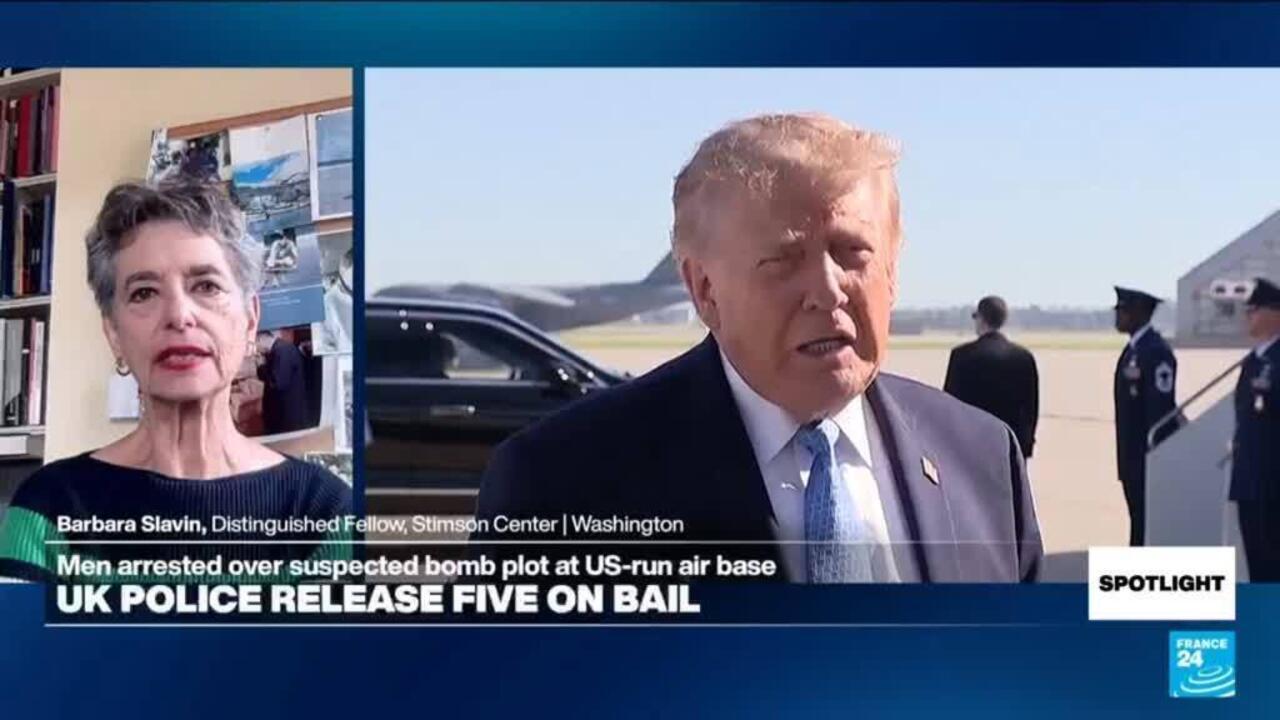
The United States and Iran have signalled tangible progress toward a framework agreement aimed at ending a three-month standoff triggered by joint US and Israeli attacks and the subsequent closure of the Strait of Hormuz. US President Donald Trump told CBS News that negotiations were advancing, stating that the two sides were "getting a lot closer" to finalising a deal, though he declined to provide specific details on the terms.
In a separate interview with Axios, Trump characterised the likelihood of an agreement as a "solid 50/50," while issuing a stark warning that he would "blow them to kingdom come" if talks collapsed. This rhetoric coincided with reports that the White House is considering renewed military strikes, a possibility US Secretary of State Marco Rubio acknowledged while speaking to NATO foreign ministers in Sweden. Rubio insisted there must be a "Plan B" should diplomatic efforts fail, and he refused to rule out a resumption of US attacks on Iran.
Iranian officials have confirmed they are in the final stages of drafting a framework, with Foreign Ministry spokesman Esmaeil Baqaei telling state broadcaster IRIB that a final accord could be concluded within 30 to 60 days. However, Baqaei emphasised that significant gaps remain, particularly regarding the lifting of the US blockade on Iran’s oil exports, which has halted the country’s primary source of income. He also insisted that nuclear talks would not be part of the initial deal, despite US demands for the handover of highly enriched uranium.
Mediators indicate that the potential agreement involves a 60-day extension of the ceasefire, which commenced on 8 April, and would include the gradual reopening of the Strait of Hormuz. The Financial Times reported that both sides are close to finalising this extension, which aims to stabilise energy flows in a region where oil prices remain elevated due to the shutdown of shipping. The strait, which carried approximately a fifth of the world’s oil and gas exports before the conflict, has been effectively closed since late February.
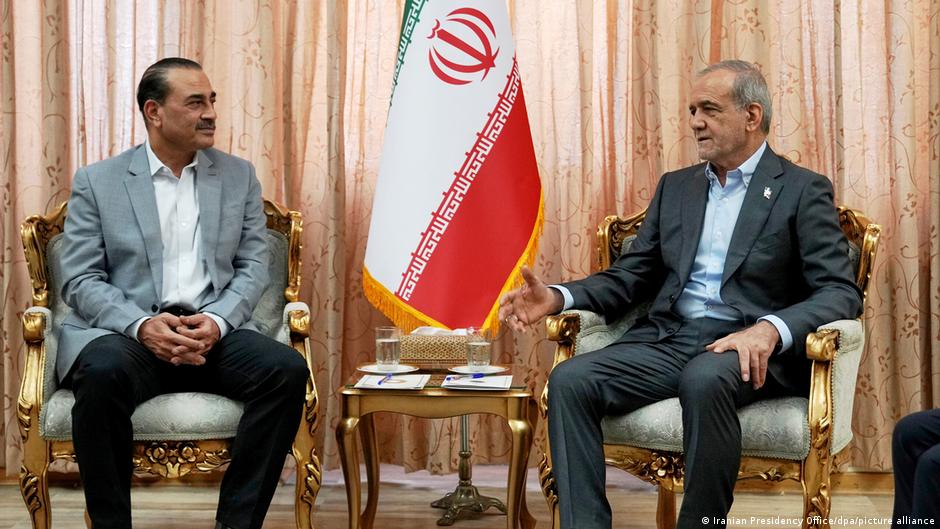
Diplomatic momentum was bolstered by productive talks in Tehran between Iranian leaders and Pakistan’s army chief, Field Marshal Asim Munir, who has facilitated negotiations for the pause in conflict. Meanwhile, Trump abruptly cancelled plans to attend his son’s wedding to remain in Washington, fueling speculation that the talks had entered a sensitive phase. Iran’s chief negotiator, Mohammad Bagher Ghalibaf, vowed a "crushing" response to any further aggression, warning against further military folly.