US and Iran exchange strikes as Strait of Hormuz closure claims clash with US assertions
Escalating military exchanges and competing narratives over shipping lanes highlight the fragility of the April ceasefire, with oil prices surging and UN officials warning of a deepening crisis.
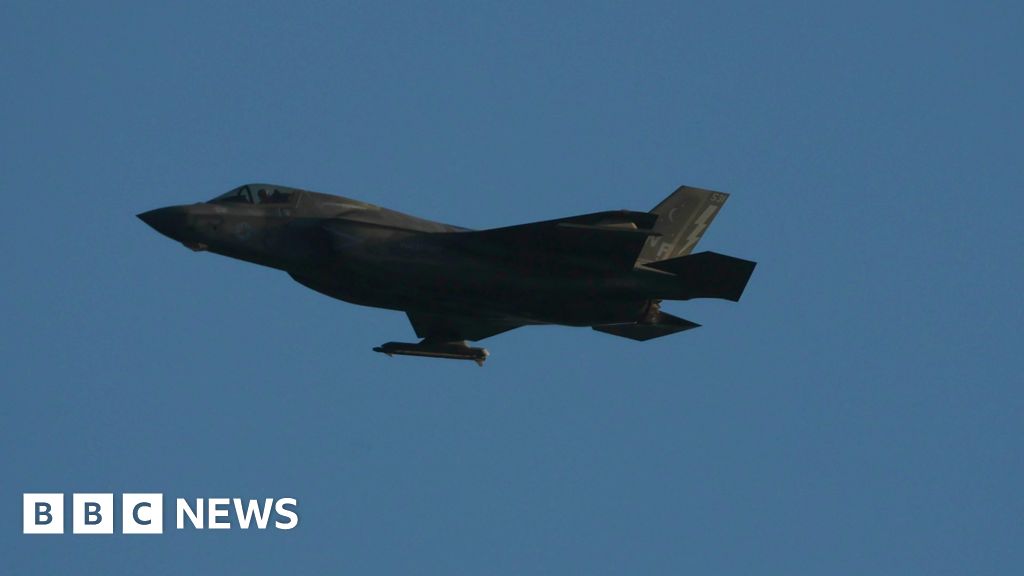
The United States has launched a fresh wave of airstrikes against targets in Iran, including sites on Qeshm Island and in the cities of Bandar Abbas and Sirik, marking a significant escalation in regional hostilities. US Central Command described the operations as "self-defense strikes" conducted in response to what it termed "unwarranted and continued aggression" from Tehran. The military action follows a period of intermittent fire since the April ceasefire, which was initially intended to last for two weeks but has since deteriorated into a cycle of tit-for-tat attacks.
In direct response to the US military operations, Iran’s Islamic Revolutionary Guards Corps (IRGC) claimed to have struck two ships in the Strait of Hormuz and declared the vital waterway "completely closed" to all vessel traffic. The IRGC stated that all commercial and oil tanker traffic would be affected until further notice. However, US Central Command contradicted these assertions, stating on social media platform X that commercial ships continue to transit in and out of the Strait, and confirming that no US warships have been struck despite initial Iranian reports to the contrary.
The geopolitical tension has had immediate economic repercussions, with Brent crude oil climbing above $95 a barrel following the announcement of the shipping closure. The price rise occurred after crude had already risen by approximately 2% during morning trade in Asia. The Strait of Hormuz remains a critical global shipping channel, and any disruption to its flow continues to exert upward pressure on energy markets.
Political rhetoric from both sides has hardened as diplomatic efforts stall. President Donald Trump warned on Truth Social that Iran would be hit "hard" again, citing that Tehran had "taken too long to make a deal". US Defence Secretary Pete Hegseth echoed this stance, stating that bombs would be "dropping on key facilities in Iran" and accusing Tehran of failing to take a chance to negotiate. Conversely, Iranian President Masoud Pezeshkian asserted that Iran "will stand firm against any pressure or threat", while the Iranian foreign ministry accused the US of damaging the diplomatic process through contradictory messages.
The situation has drawn sharp criticism from the United Nations, with Secretary-General António Guterres warning that the region is being pulled deeper into crisis. In a statement, Guterres described the current state of hostilities as a "lesser-fire" rather than a ceasefire, urging all parties to work towards a diplomatic settlement. He emphasized that the risks of this "lesser fire" becoming full-scale conflict must not be minimized, calling for an end to attacks and excuses.