US and Iran exchange strikes as Gulf tensions escalate oil prices
The Trump administration imposes fresh sanctions on Tehran’s maritime agency while Brent crude climbs past $96 amid fragile ceasefire talks.
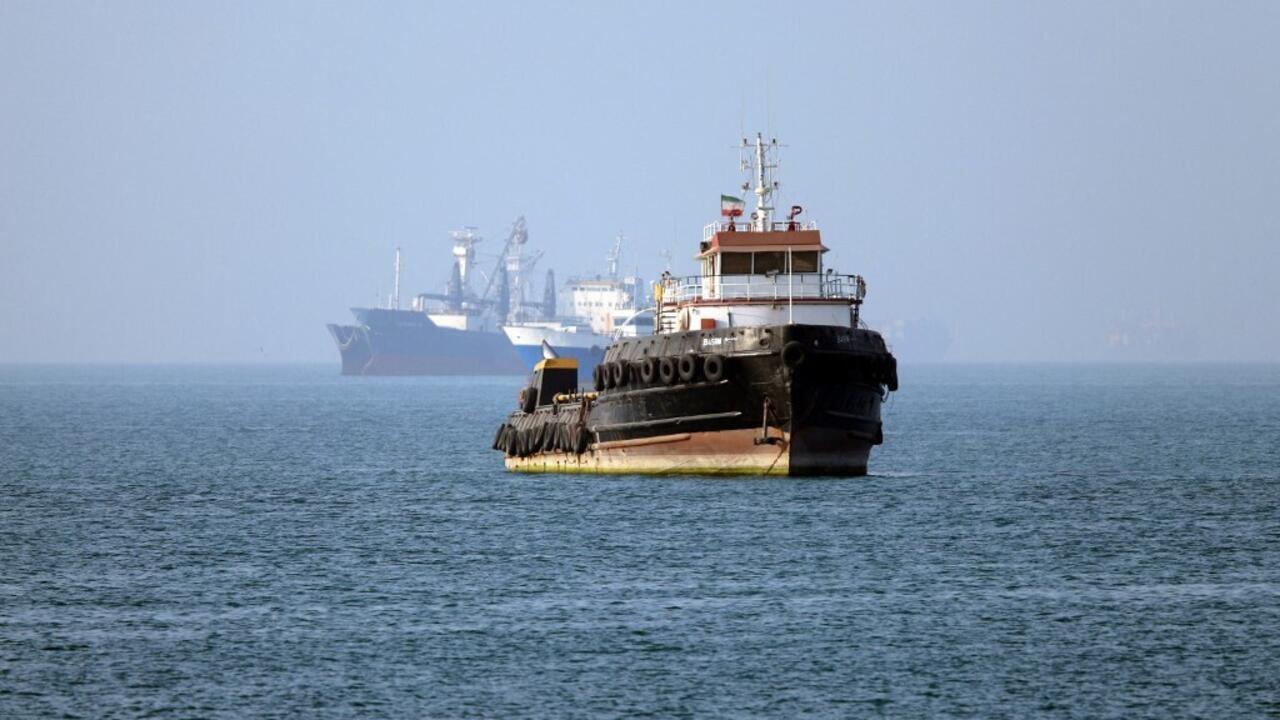
The United States military conducted its second defensive strike against Iran on Wednesday, targeting a military site near Bandar Abbas after officials identified aggressive activity from Iranian forces. Two US officials stated that US forces shot down four Iranian drones and struck a base preparing to launch a fifth, determining the assets posed a direct threat to the Strait of Hormuz. The operation followed US President Donald Trump’s warning that Washington would "finish the job" if Tehran failed to agree to a settlement.
In response, Iran’s Islamic Revolutionary Guard Corps announced on Thursday that it had targeted a US airbase at 0450 local time. The Revolutionary Guard warned that any repeat of what it termed aggression would draw a more decisive response, placing responsibility for the consequences on the "aggressor". Concurrently, Kuwait’s military reported engaging hostile missile and drone attacks following the fresh US strikes on southern Iran.
Diplomatic efforts to stabilise the region remain under strain as the Trump administration imposed new sanctions on an Iranian agency attempting to control shipping through the Strait of Hormuz. Treasury Secretary Scott Bessent described the Iranian military’s actions as an attempt to "extort global maritime trade", asserting that economic pressure was necessary to push Iran’s leadership toward an agreement that would open the waterway.
The conflict continues to disrupt global energy markets, with Brent North Sea crude rising by nearly two percent to $96.13 a barrel. Shipping data indicated that two supertankers and one liquefied natural gas tanker exited the Strait with their transponders switched off, heading for India and China. European Central Bank chief economist Philip Lane warned that the energy shock from the conflict would likely have a persistent impact on inflation, even if the war ends quickly.
Regional hostilities have also intensified on other fronts. Israel began striking Hezbollah infrastructure around Tyre, Lebanon, issuing evacuation warnings for residents south of the Zahrani River. Israeli Prime Minister Benjamin Netanyahu confirmed that air strikes on Gaza City killed Hamas’ armed wing chief Mohammad Odeh. Meanwhile, Iranian state broadcaster IRIB reported that Iranian forces fired warning shots at four vessels attempting to cross the Strait without coordination, forcing them to return.