US and Iran escalate hostilities with reciprocal strikes and diplomatic breakdown
Tensions surge as Washington targets Iranian defence sites following a helicopter downing, while Tehran retaliates against US bases in Bahrain and Jordan, prompting stark warnings from both sides.
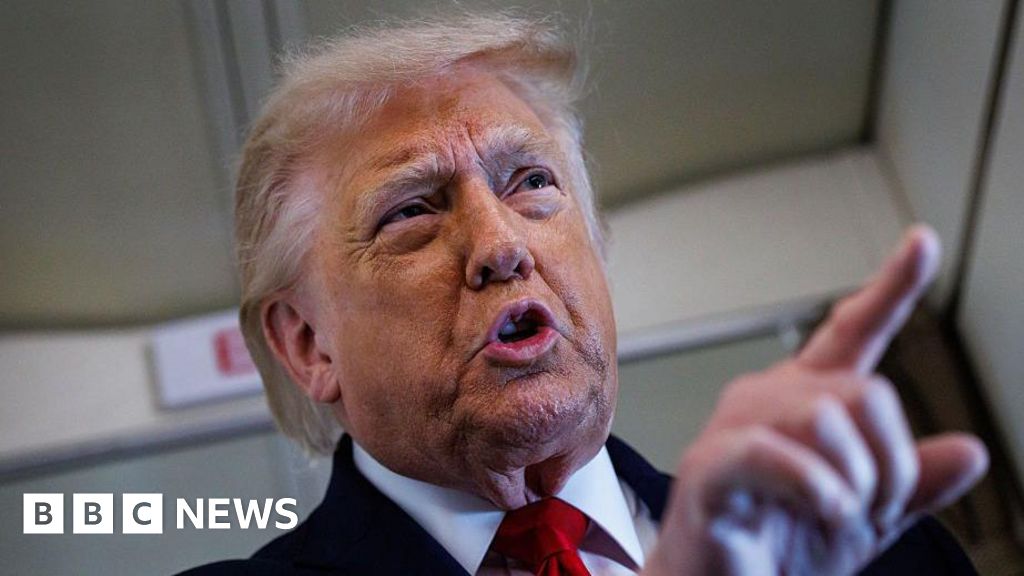
Diplomatic channels between the United States and Iran have fractured following a series of reciprocal military strikes that have escalated tensions in the Middle East. US President Donald Trump warned that Tehran would "pay the price" for delaying negotiations, asserting that Iran’s military capabilities had been "completely defeated" in the latest exchange of fire. The escalation marks a significant deterioration in relations, occurring just days after the President had indicated that a comprehensive agreement was near completion.
The immediate trigger for the current hostilities was the downing of a US Army AH-64 Apache helicopter over the Strait of Hormuz on Monday night. In response, US Central Command (Centcom) confirmed that American forces had struck Iranian defence systems, ground control stations, and radar sites located near the strategic waterway. The US military framed these actions as a direct countermeasure to the loss of the aircraft, which occurred amidst a broader context of regional instability.
Iran’s Islamic Revolutionary Guard Corps (IRGC) confirmed that it launched retaliatory strikes against 21 targets at US bases in the region, specifically identifying locations in Bahrain and Jordan. Kuwait’s army also reported intercepting an attack during the Iranian retaliation. Iran’s Foreign Minister, Abbas Araghchi, vowed that the country would "leave no attack or threat unanswered," accusing the US of suffering "defeats on the battlefield" and signalling that Tehran would not accept unilateral military action without consequence.
The diplomatic fallout has been severe, with Iranian officials accusing the United States of undermining the very processes they claim to seek. Esmaeil Baqai, a spokesman for Iran’s foreign ministry, stated that the US was damaging diplomatic efforts through "contradictory messages" and repeated violations of the ceasefire. He argued that any viable diplomatic process requires a minimum of stability, which has been absent since the recent military exchanges.
This escalation stands in sharp contrast to the diplomatic posture adopted earlier in the week. On Tuesday, President Trump had told journalists that the US and Iran were in the "final throes" of a "very, very good deal." However, by Wednesday, his tone had shifted dramatically. Writing on Truth Social, Trump claimed Iran’s Navy and Air Force "doesn’t even exist anymore" and reiterated that Tehran had taken "too long to negotiate," thereby forfeiting the opportunity for a beneficial agreement.
The current crisis unfolds against a backdrop of a fragile ceasefire between Iran and Israel established in early April 2026. This truce has already faced significant strain, including an Israeli attack on Beirut’s southern suburbs in late May that resulted in casualties. Prior to the recent strikes, Foreign Minister Araghchi had engaged in discussions with counterparts from Britain, France, Turkey, Qatar, and Pakistan regarding these ceasefire violations, highlighting the international concern over the region’s stability.