US and Iran agree tentative framework for 60-day ceasefire extension
Treasury Secretary Scott Bessent defers confirmation to President Donald Trump as Iran’s Tasnim agency disputes finalisation of terms including naval blockade lifting and Strait of Hormuz access.
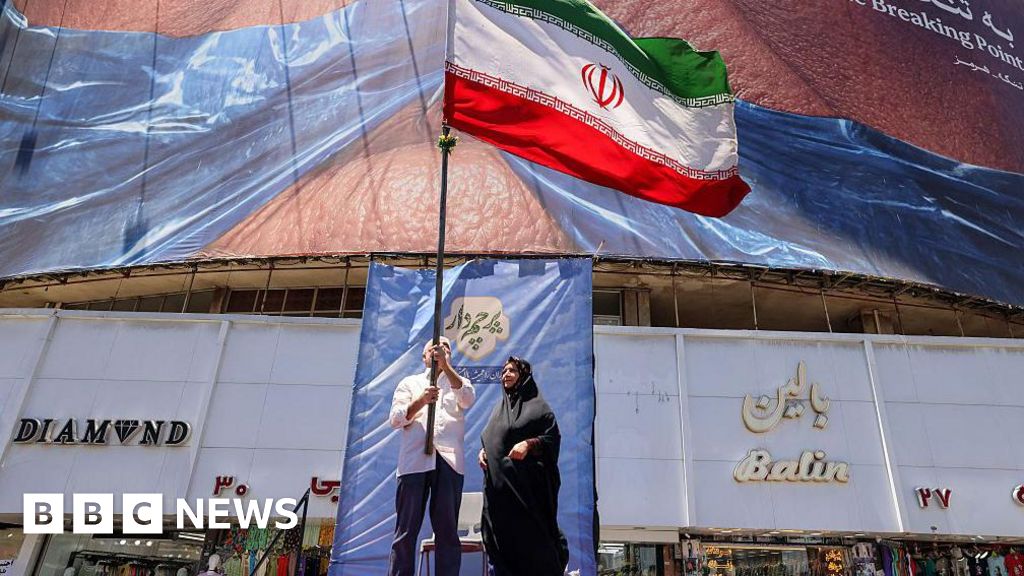
US and Iranian negotiators have agreed on a framework to extend their ceasefire for 60 days and initiate discussions on Iran’s nuclear programme, according to US officials. The tentative agreement requires final approval from President Donald Trump and the leadership in Iran. Conflicting reports have emerged from Tehran, with Iran’s semi-official Tasnim news agency stating the deal had not been finalised or confirmed.
The proposed terms include lifting the US naval blockade of Iranian ports, withdrawing US forces from the region, and restoring non-military traffic through the Strait of Hormuz. Reports indicate the deal could allow unrestricted passage through the strait, with Iran having 30 days to remove mines from the shipping passageway. The US would also issue sanction waivers to allow Iran to resume selling oil. Treasury Secretary Scott Bessent declined to confirm the agreement, stating the decision rests with the president.
The fragile ceasefire between the two nations came into effect on 8 April 2026. Both sides have accused each other of violating the truce in recent days. The Islamic Revolutionary Guard Corps claimed it targeted a US base, while the US conducted strikes on southern Iran. Previous talks in Islamabad ended without a substantive agreement, and the White House previously dismissed a purported 14-point memorandum of understanding draft as a complete fabrication.
One-fifth of the world’s liquefied natural gas and oil normally passes through the Strait of Hormuz, making its security critical to global fuel trade. President Trump has repeatedly warned that option B, a return to combat operations, remains on the table. He recently stated he was an hour from ordering renewed strikes before being dissuaded by allies, though he has also indicated that negotiations are progressing.
Axios first reported the tentative agreement, noting that President Trump had been briefed but had not immediately signed off, with a decision expected in a couple of days. The confirmation from US sources of anonymously sourced reporting on the contours of the agreement suggests the two sides may be closer to a deal than at any previous point during the ceasefire.