US and Iran advance peace framework amid sovereignty and nuclear disputes
President Donald Trump declared the agreement largely negotiated, but Iranian officials highlight unresolved issues regarding the Strait of Hormuz and nuclear disarmament.
US President Donald Trump has announced that a memorandum of understanding to end the months-long war with Iran is largely negotiated, raising expectations for regional stability. Speaking on his social media platform Truth Social, Trump described the proposal as a framework for peace involving the United States, Iran, and several regional states including Saudi Arabia, the United Arab Emirates, Qatar, Pakistan, Turkiye, Egypt, Jordan, and Bahrain. He stated that final details would be announced soon and confirmed he had recently spoken with Israeli Prime Minister Benjamin Netanyahu, describing the conversation as going very well.
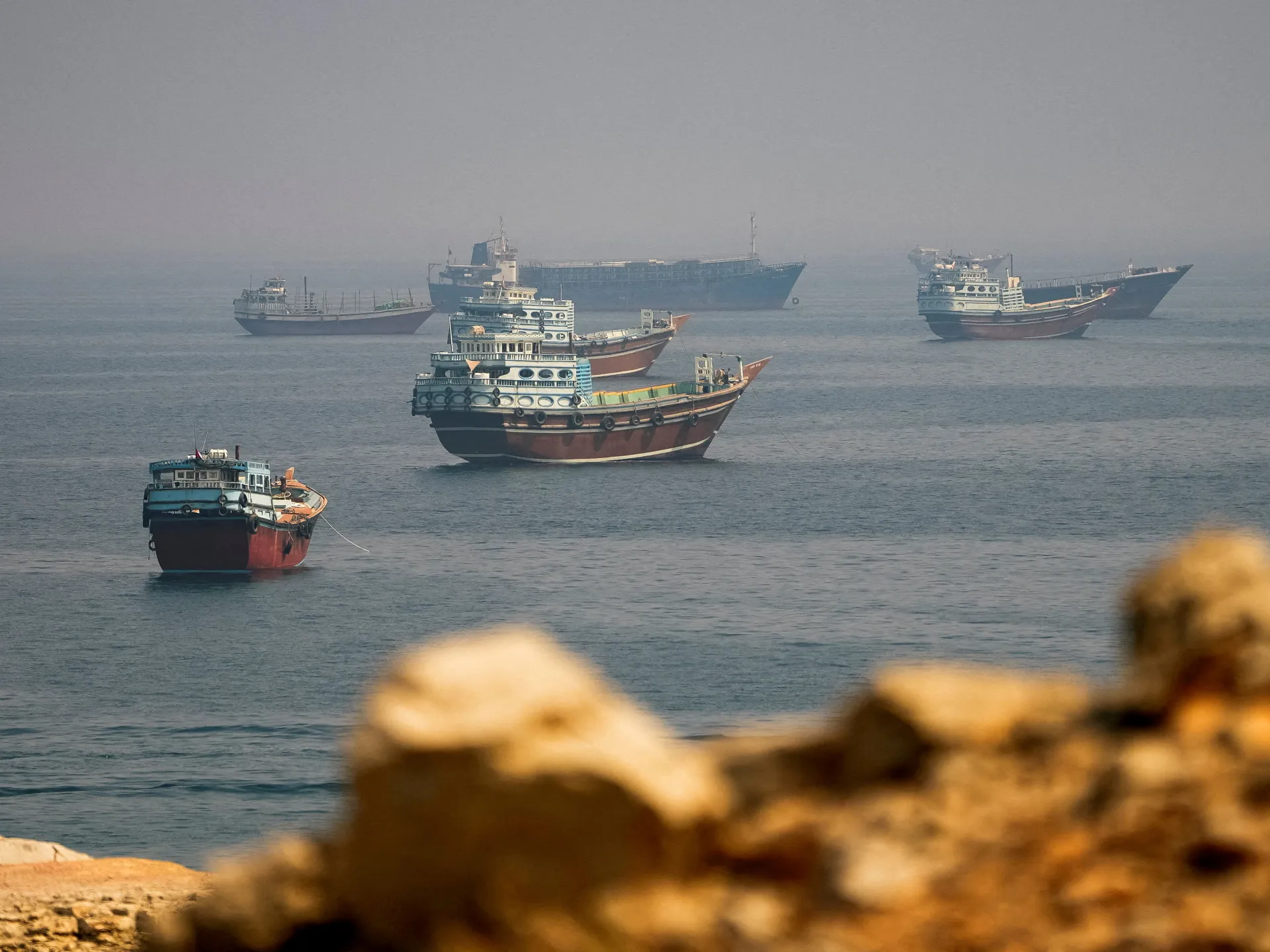
The proposed deal aims to formally end the US-Israel war on Iran and reopen the Strait of Hormuz, a critical shipping lane that has been effectively closed to most commercial traffic since hostilities began on February 28. According to sources cited by Reuters and Axios, the framework would involve no tolls on ships transiting the strait, allowing Iran to freely sell oil. In exchange, the United States would lift its blockade on Iranian ports and waive certain sanctions. The New York Times reported that the draft includes an apparent commitment by Iran to surrender its stockpile of highly enriched uranium, with transfer details to be addressed in later stages of negotiation.
Despite these developments, Iranian officials have pushed back against the characterization of the deal as near-final. Esmaeil Baghaei, spokesperson for Iran’s Ministry of Foreign Affairs, described the proposal as a framework agreement that would establish broad principles before detailed negotiations over a 30 to 60 day window. Iranian state-linked media Fars news agency reported that the agreement would allow Iran to manage the Strait of Hormuz, contradicting Trump’s assertion of full freedom of navigation. Baghaei noted that while disputes are reducing, major issues remain, including the strait’s status and future security guarantees.
A primary point of contention is the sovereignty of the Strait of Hormuz, through which one-fifth of the world’s oil and liquefied natural gas supplies previously passed. Iran insists on sovereignty over the waterway, which lies within its territorial waters and those of Oman, and has floated the idea of levying tolls. Washington demands full freedom of navigation. Iran also has not yet accepted terms regarding its nuclear programme, with Tasnim news agency reporting that the potential agreement allocates 60 days specifically for nuclear talks. Iran maintains its nuclear programme is for civilian use and is a signatory to the Treaty on the Non-Proliferation of Nuclear Weapons.
Analysts suggest the agreement’s success hinges on Israeli acquiescence and the extension of a ceasefire window. Trita Parsi of the Quincy Institute noted that while the memorandum does not include major substantive concessions, it signals a willingness to move toward a broader deal. Setareh Sadeqi, an academic at the University of Tehran, warned that messaging has been contradictory and that Israel may attempt to undermine the agreement. Meanwhile, Pakistan Prime Minister Shehbaz Sharif has offered to host the next round of peace talks, positioning Islamabad as a key mediator in the ongoing diplomatic efforts.