US and Cuba hold security talks as energy crisis deepens
CIA Director John Ratcliffe meets Cuban counterparts to deliver President Trump’s message on security, as Havana rejects conditional aid and demands blockade lifting
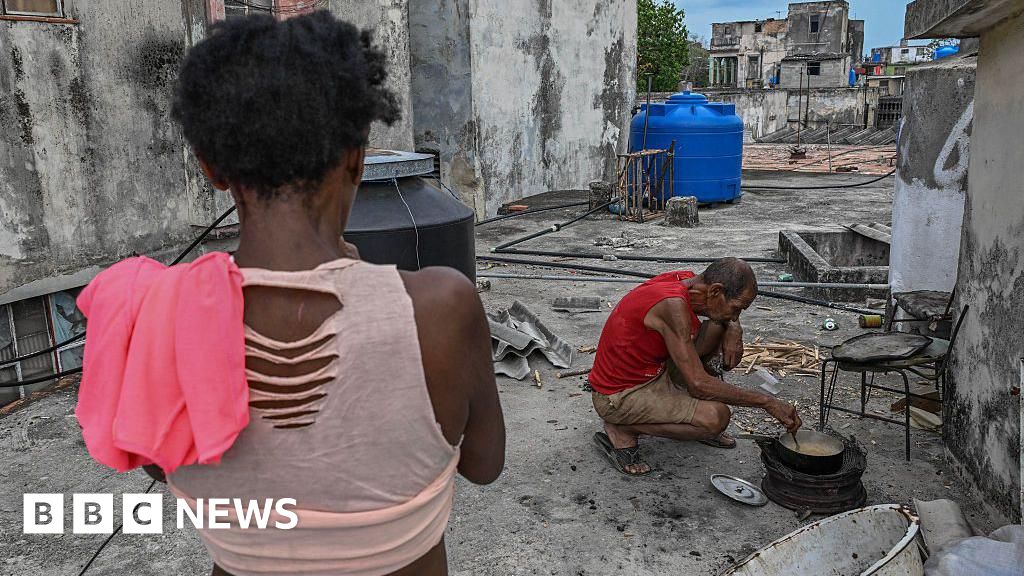
US CIA Director John Ratcliffe has held high-level security discussions with Cuban officials in Havana, marking a diplomatic engagement amidst a severe energy crisis that has left the island nation grappling with widespread blackouts and fuel shortages. The meeting, attended by Interior Minister Lázaro Álvarez Casas and Raúl Rodríguez Castro, grandson of former President Raúl Castro, focused on intelligence cooperation and regional security concerns.
A CIA official told CBS News that the delegation met to personally deliver President Trump’s message that Cuba can no longer serve as a safe haven for adversaries in the Western Hemisphere. Director Ratcliffe and his Cuban counterparts discussed intelligence cooperation, economic stability, and security issues, with both sides acknowledging an interest in developing bilateral law enforcement cooperation to enhance regional and international security.
The diplomatic outreach coincides with a renewed US offer of $100 million in humanitarian aid, which the State Department clarified must be distributed in coordination with the Catholic Church and independent humanitarian organisations, effectively bypassing the Cuban government. US Secretary of State Marco Rubio had previously claimed Havana rejected a similar offer, a claim Cuban officials have denied.
Cuban Foreign Minister Bruno Rodríguez stated that Havana was ready to hear the details of the US aid proposal but noted uncertainty over whether the assistance would be provided in cash or in-kind. He emphasised that the Cuban government does not reject foreign aid offered in good faith, but insisted that the most effective way for the US to assist would be to de-escalate the energy, economic, commercial, and financial blockade measures that have intensified in recent months.
The urgency of the situation was underscored by Cuban Energy Minister Vicente de la O Levy, who warned that the country had completely run out of diesel and fuel oil, describing the energy system as being in a critical state. President Miguel Diaz-Canel blamed the worsening conditions on what he termed a genocidal energy blockade, while recent protests in Havana, involving hundreds of residents blocking roads with burning rubbish, highlighted the growing public discontent over the power outages.
Amidst these developments, reports from CBS News indicate that the US is preparing to indict former Presidents Raúl and Fidel Castro regarding the 1996 downing of a plane by the humanitarian group Brothers to the Rescue. This potential legal action adds another layer of pressure on the Cuban leadership, following fresh sanctions imposed by Washington in early May against senior Cuban officials accused of human rights abuses.