US and Bahraini forces intercept Iranian missiles as Strait of Hormuz tensions escalate
US Central Command confirms the defeat of Iranian missile barrages targeting Kuwait and Bahrain, while Iran’s Revolutionary Guards Corps vows severe consequences for any disruption to regional shipping lanes.
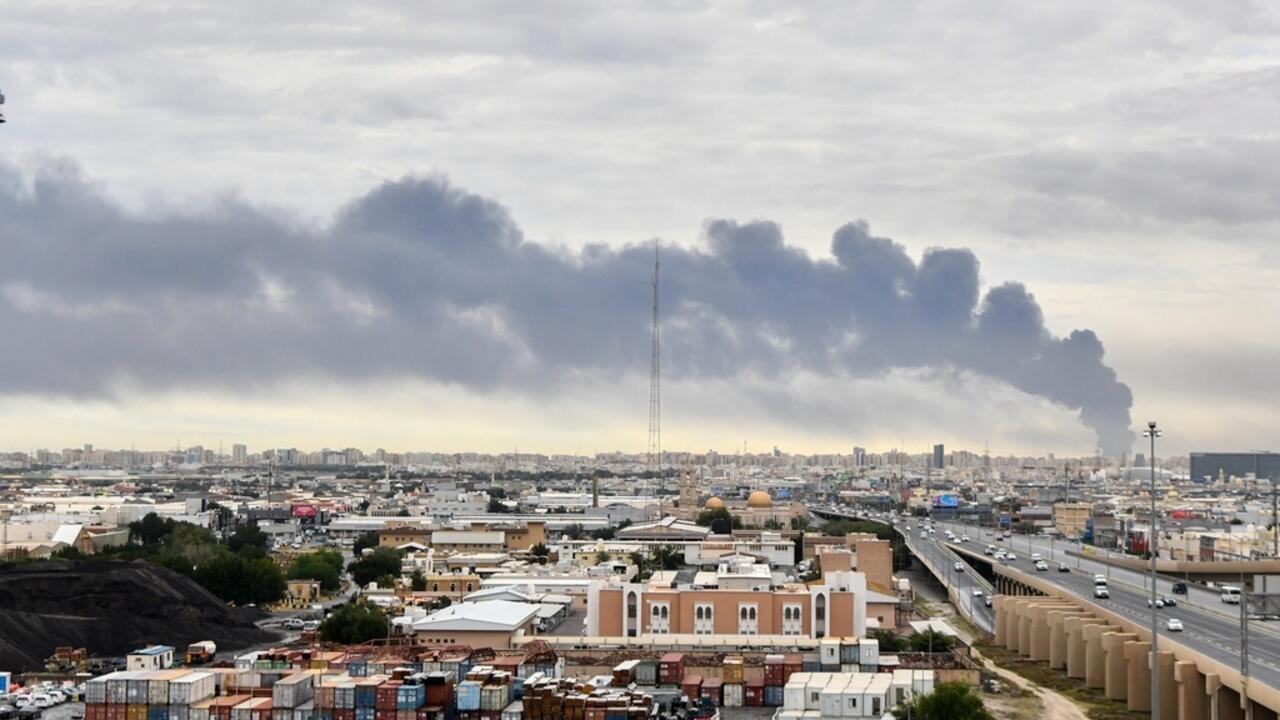
The United States military confirmed on Tuesday that it had intercepted and neutralised a series of Iranian missile and drone attacks directed at regional allies, including Kuwait and Bahrain. US Central Command reported that the Iranian offensive failed to achieve its objectives, with two ballistic missiles fired at Kuwait falling short or breaking apart during their trajectory. Simultaneously, three missiles launched towards Bahrain were immediately intercepted by joint US and Bahraini air defence systems.
In response to what it described as previous US aggression against Iranian assets, the Islamic Revolutionary Guards Corps (IRGC) announced it had conducted retaliatory strikes. Iranian media reported that the IRGC attacked the headquarters of the US Fifth Fleet, an airbase in a regional country, and helicopters. The IRGC navy also targeted a vessel identified as the Panaya, citing a prior US projectile that damaged the engine room of an Iranian tanker near the Strait of Hormuz.
The IRGC issued a stern warning regarding the strategic waterway, stating that any disruption to the security of the Strait of Hormuz would carry a "heavy price" for the US military. This escalation coincides with US self-defence strikes on Iran’s Qeshm Island, marking a significant broadening of kinetic operations in the three-month-old conflict.
Diplomatic efforts to de-escalate the situation have faced immediate hurdles. US Secretary of State Marco Rubio clarified that President Donald Trump’s negotiating team has not offered Iran any sanctions relief in exchange for reopening the Strait of Hormuz. This stance underscores the administration’s hardline position as military engagements continue to intensify across the region.
Further complicating the geopolitical landscape, direct talks between the ambassadors of Israel and Lebanon in Washington concluded without progress on the first day of negotiations. Despite President Trump receiving commitments to de-escalation from both sides, Israeli forces continued strikes on southern Lebanon, disregarding requests from the White House for Prime Minister Benjamin Netanyahu to avoid attacking Beirut.