US and Bahraini forces intercept Iranian missiles as Gulf tensions escalate
Washington confirms successful defence of Kuwait and Bahrain while launching counter-strikes on Qeshm Island, marking a significant escalation in the three-month conflict.
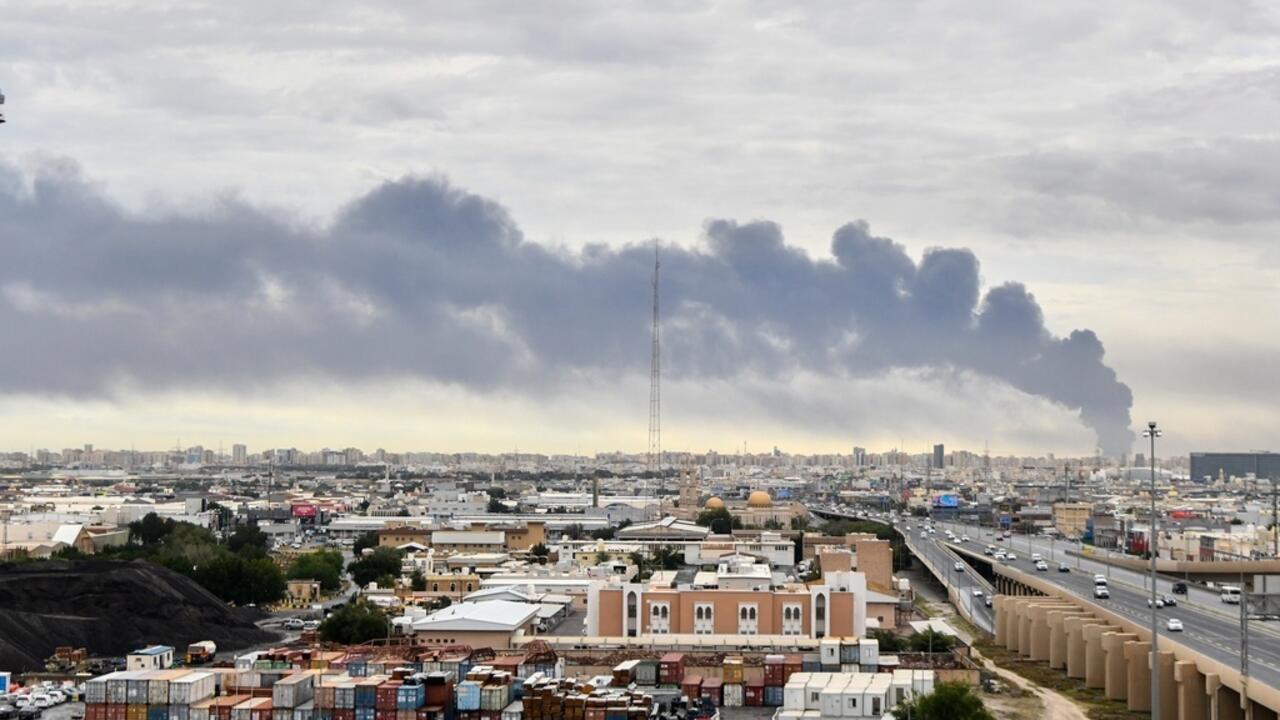
US Central Command confirmed on Tuesday that it had intercepted and neutralised a series of Iranian missile and drone attacks targeting regional allies, specifically Kuwait and Bahrain. The command reported that the Iranian offensive failed to achieve its objectives, with two ballistic missiles fired at Kuwait falling short or breaking apart during their trajectory. Simultaneously, three missiles launched at Bahrain were immediately intercepted by combined US and Bahraini air defence forces.
In response to the attacks, the US military conducted self-defence strikes on Iran’s Qeshm Island. US Central Command stated that it had "successfully defeated" the Iranian offensive, noting that all ballistic missiles fired towards regional neighbours failed to hit their intended targets. The command also confirmed the downing of three attack drones launched toward civilian mariners transiting regional waters.
Iran’s Revolutionary Guards Corps (IRGC) claimed on Wednesday that it had retaliated by attacking the US Fifth Fleet headquarters, an airbase, and helicopters in a regional country using missiles and drones. The IRGC attributed these actions to a US attack on a communications tower south of Qeshm Island. Additionally, the IRGC navy claimed to have targeted a vessel identified as Panaya with missiles, citing a previous US attack on an Iranian tanker near the Strait of Hormuz that damaged its engine room.
The military exchanges have contributed to volatility in global markets, with oil prices extending gains on Wednesday as Middle East peace talks stuttered. Uncertainty regarding a diplomatic resolution pushed oil prices up more than one per cent, with both main contracts rising around five per cent for the week. Despite the geopolitical instability, equity markets continued a rally driven by the technology sector and demand for artificial intelligence, with indices in Tokyo, Taipei, Shanghai, Sydney, Singapore, and Manila rising.
Diplomatic efforts to de-escalate the conflict have faced significant hurdles. US Secretary of State Marco Rubio stated that President Donald Trump’s negotiating team has not offered Iran any sanctions relief in exchange for reopening the Strait of Hormuz. Meanwhile, direct talks between ambassadors of Israel and Lebanon in Washington made no headway, despite President Trump receiving commitments to de-escalation from both sides. Israel continued strikes on southern Lebanon, defying President Trump’s request to Prime Minister Benjamin Netanyahu not to attack Beirut.