US Aid Cuts Threaten Maternity Services for Refugees in Central African Republic
Aid agencies warn that cuts to United States foreign assistance are forcing staffing and supply reductions in the Central African Republic, increasing the risk of preventable maternal deaths among refugees and local residents.
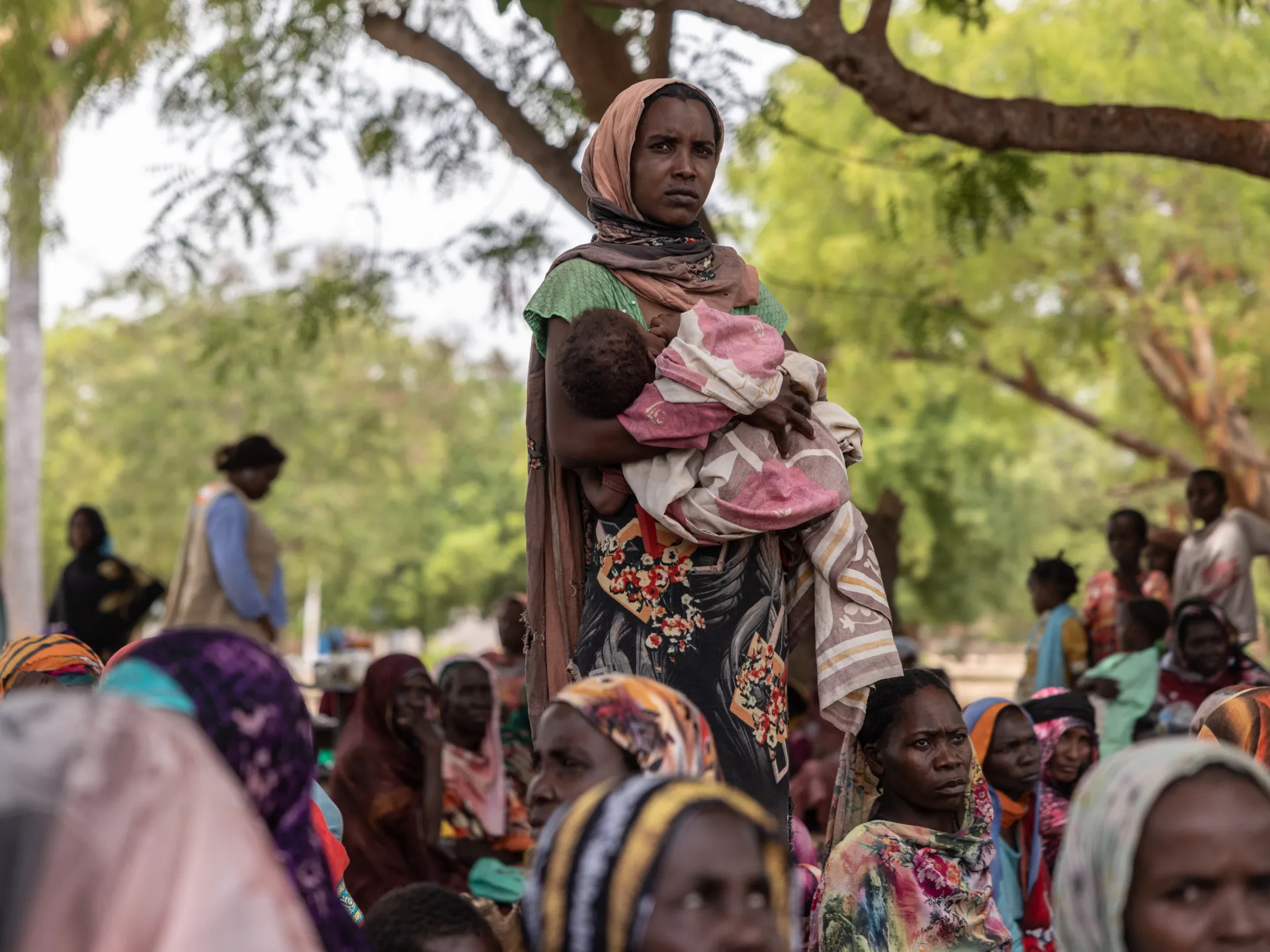
Aid agencies have warned that reductions in United States foreign assistance are severely impacting maternity services in the Central African Republic, with the situation in Vakaga province reaching a critical juncture. The influx of Sudanese refugees fleeing conflict in Darfur has overwhelmed a health system that was already fragile, leading to staffing cuts and supply shortages that threaten the lives of pregnant women.
In and around Birao, a town near the Sudanese border, clinics supported by the United Nations Population Fund provide antenatal checkups and emergency obstetric care. These facilities rely heavily on international funding, including contributions from the United States, to pay for midwives, medicines, and equipment. Aid organisations report that recent funding reductions are forcing a reassessment of programmes and staffing levels just as demand is rising.
Some facilities have already cut back on overnight staffing and outreach activities, raising fears that more women will be forced to deliver at home without skilled help or life-saving drugs. Refugee women, many of whom arrived after walking for days through the bush while pregnant, face multiple risks including malnutrition, malaria, and untreated infections. Many have never seen a midwife before reaching the Central African Republic and have little information about danger signs in pregnancy.
Local women in Vakaga are also affected by the deteriorating conditions. With limited roads, insecurity, and few ambulances, reaching the nearest clinic can take hours. When facilities run short of supplies or staff, families often turn to traditional birth attendants or delay seeking care until it is too late. Health workers note that complications such as obstructed labour, haemorrhage, and eclampsia are frequent and can be fatal without rapid intervention.
The Central African Republic is among the countries with the highest maternal mortality rates in the world, and recent gains in encouraging women to give birth in health centres rather than at home are now at risk of being undermined. UN and NGO officials warn that further funding cuts could lead to the closure of some maternity wards, a reduction in trained midwives, and scaled-back emergency referral systems.
Humanitarian agencies are appealing to donors to sustain and increase support for maternal health services, arguing that the cost of maintaining midwives is small compared with the human cost of preventable deaths. They state that without predictable funding, both refugee and host community women in one of the world’s poorest countries will pay the price.