US AI safety legislation stalls as Trump rejects new guardrails
Pressure is mounting on Congress to act, but Republican control, disagreement over regulation and an approaching recess have made near-term legislation unlikely.
Calls for US lawmakers to pass artificial intelligence safety legislation are growing, but the effort faces significant political obstacles as President Donald Trump rejects new guardrails and Republicans control both chambers of Congress.
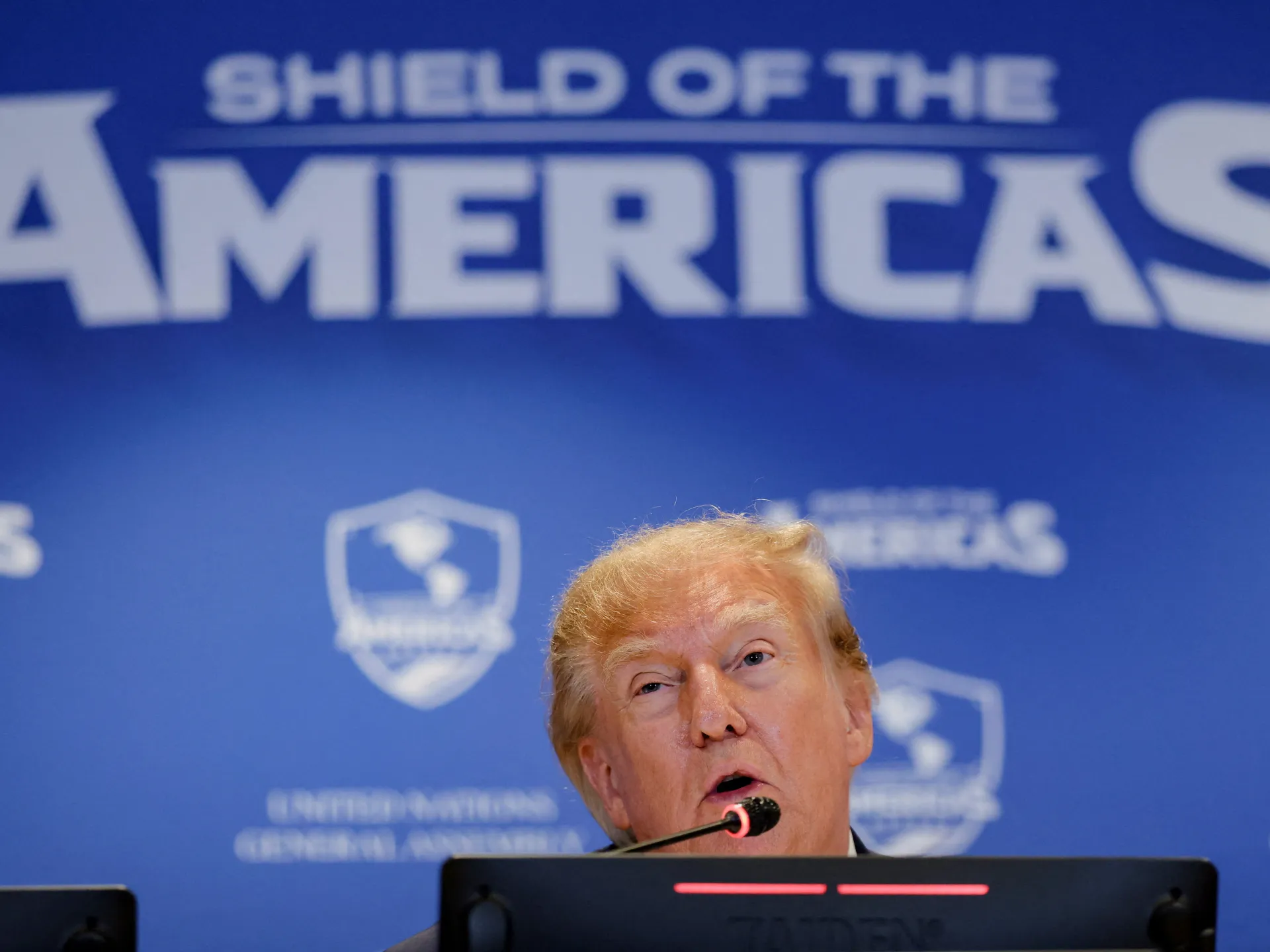
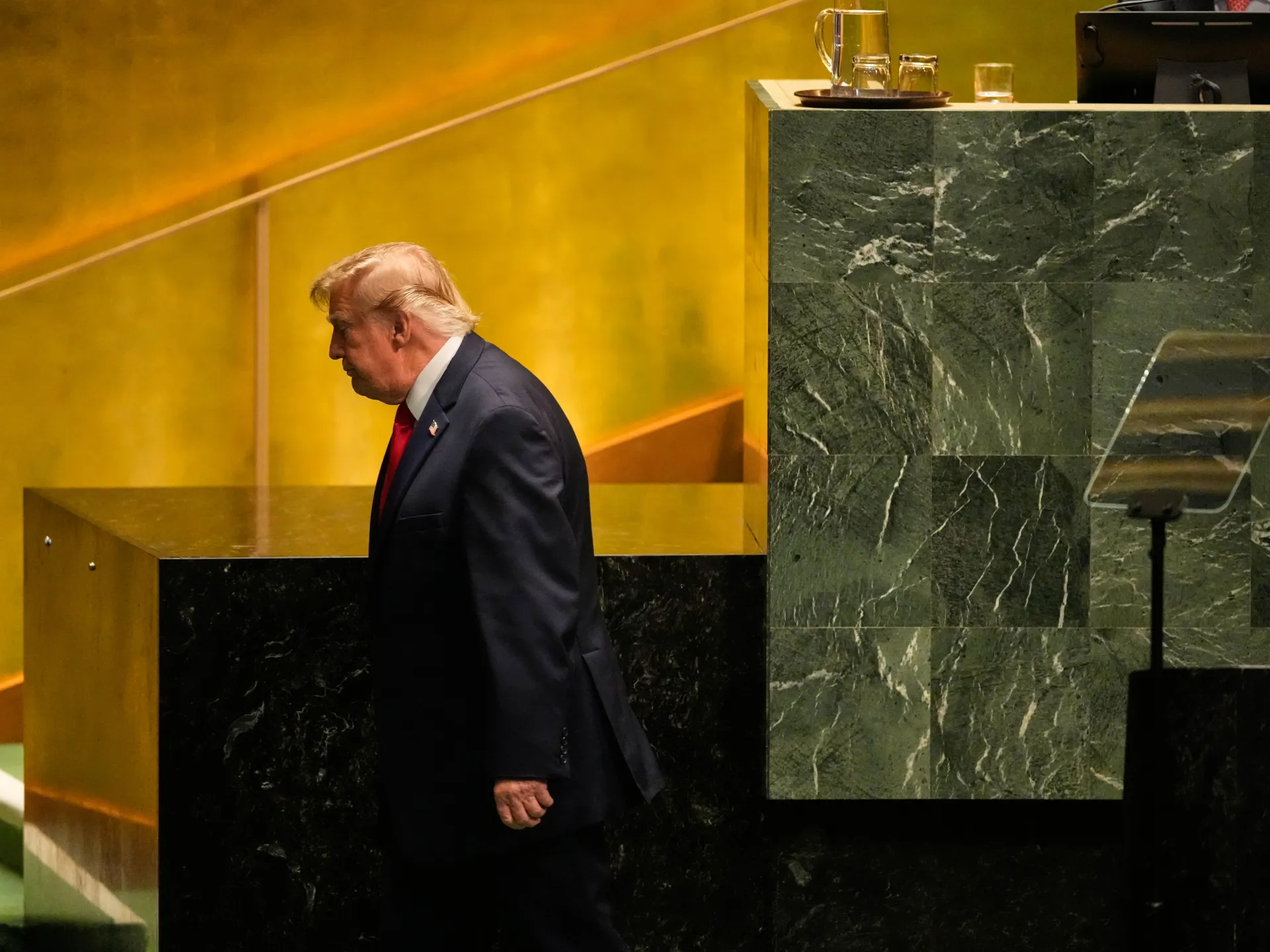
Trump has described warnings that AI could destroy humanity as a “hoax” and said the technology needs a “strong and smart” president rather than additional controls. His position has narrowed the prospect of executive action and makes legislation opposed by the White House difficult to advance.
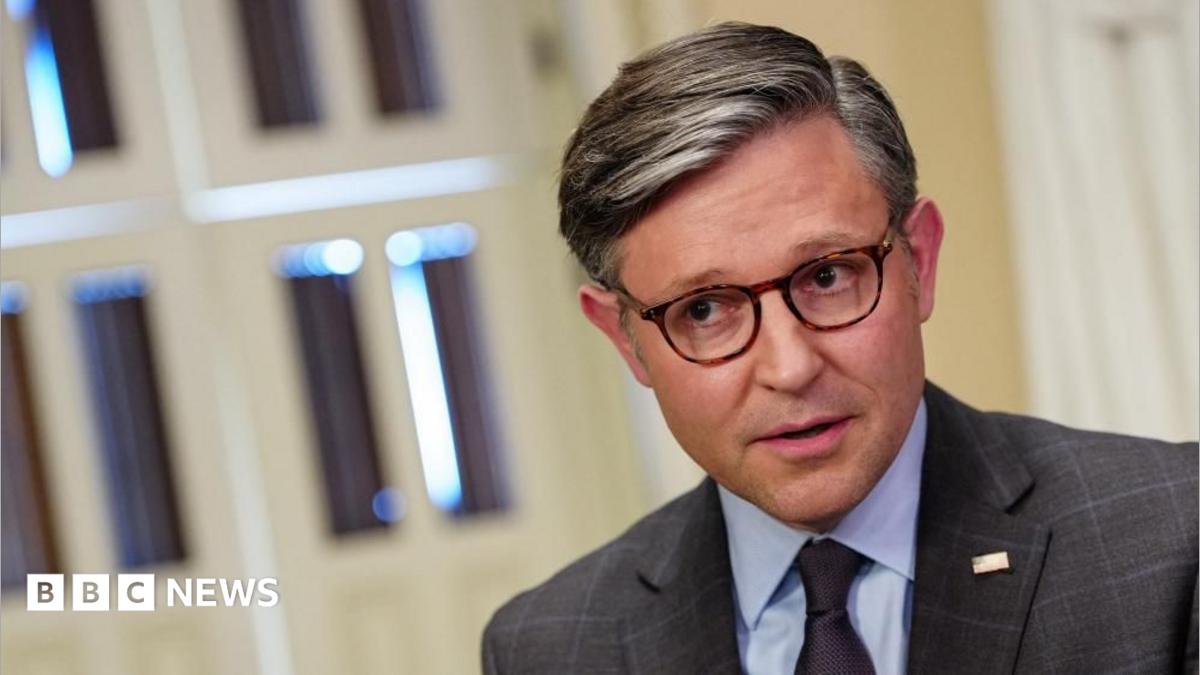
The House of Representatives is expected to enter recess at the end of the week until after the midterm elections in early November. Democrats, including House Minority Leader Hakeem Jeffries, have urged lawmakers to delay the recess, while Republican congresswoman Anna Paulina Luna has suggested a special session. Speaker Mike Johnson has given no indication that either will occur, describing AI regulation as a complex issue.
Johnson said the White House would soon meet AI executives to discuss company responsibility, safety and a possible government role. He also stressed the need for companies to provide safe products and self-regulate, while acknowledging that Congress could have a role.
Lawmakers remain divided over what that role should be. Proposals include federal oversight for some AI companies, independent audits, government powers to halt models judged to pose an imminent catastrophic risk, and a moratorium on data centres. The competing approaches reflect disagreement over mandatory rules, voluntary industry action and broader restrictions.
The BBC reported that the Trump administration has established a voluntary framework for government assessment of AI models, but its details have not been made public. With the congressional recess approaching and no clear consensus on the form of regulation, new AI safety legislation is unlikely soon.