US AI labs slash prices as Chinese rivals gain market share
Corporate users including DoorDash and Airbnb are shifting to cheaper open-source alternatives, prompting US developers to restructure billing and defend their valuations ahead of planned IPOs.
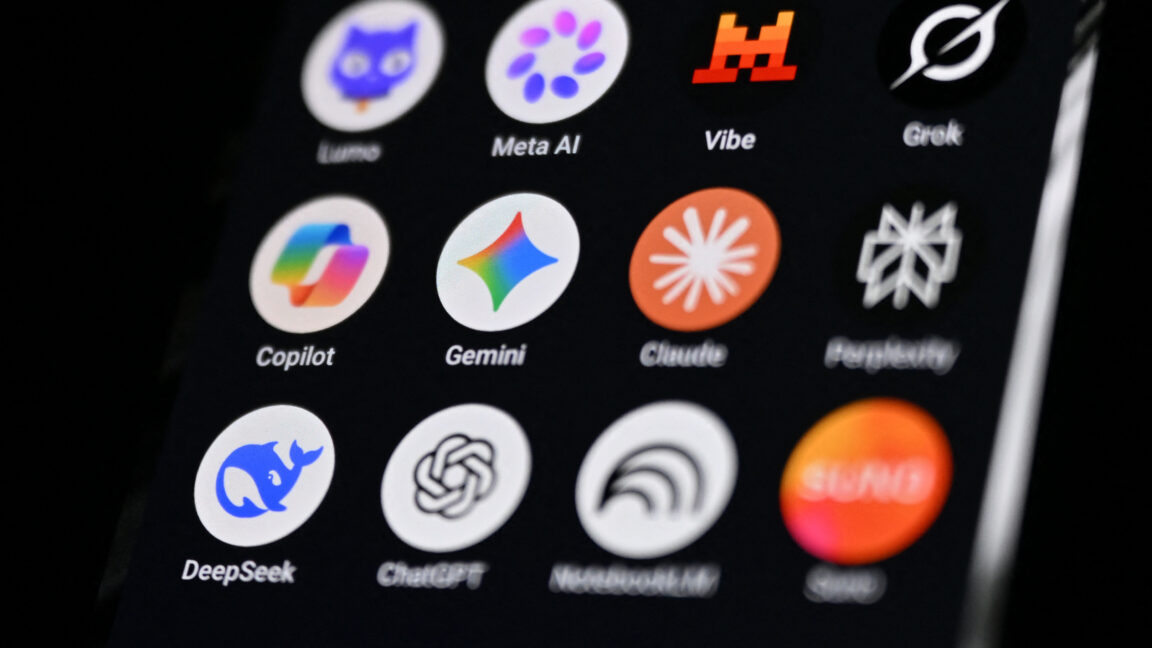
Leading US artificial intelligence developers OpenAI and Anthropic have implemented significant price reductions for their core models to counter competitive pressure from Chinese rivals such as Moonshot and DeepSeek. OpenAI reduced the cost of its GPT-5.6 Luna model by 80 percent, while Anthropic launched Claude Opus 5 at half the price of its Fable 5 model. These adjustments aim to retain corporate clients, including companies like DoorDash and Airbnb, who are increasingly adopting cheaper Chinese open models to manage rising operational costs.
The pricing war comes as rising AI bills push companies to curb usage and seek cheaper alternatives, helping Chinese developers make inroads with users from Silicon Valley to Europe. According to Silicon Data’s token price index, prices for models from leading US labs have decreased by almost a quarter since mid-July. Tokens are the units of data processed by language models and are used to calculate many customers’ bills.
OpenAI recently slashed prices for GPT-5.6 Luna, its fastest and most affordable model, from $1 to $0.20 per million input tokens and from $6 to $1.20 per million output tokens. Anthropic launched Claude Opus 5 at $5 per million input tokens and $25 per million output tokens, effectively halving the price of its Fable 5 model. The company also cancelled a planned price increase for its Sonnet 5 model, which was scheduled to take effect in September.
These moves mark a shift for US AI groups that have traditionally competed on performance for proprietary closed models. Increasingly capable open Chinese models, which can be freely downloaded and tweaked by developers, have contributed to pressure on prices. Artificial Analysis benchmarks indicate that while headline token prices suggest US models are more expensive, performance per task can vary based on model capability and effort settings. For instance, Anthropic’s Opus 5 at medium effort delivered similar performance and cost per task to Moonshot’s Kimi K3 at max effort.
The pricing adjustments coincide with OpenAI and Anthropic plotting initial public offerings at trillion-dollar valuations, facing investor pressure to demonstrate returns on vast AI spending. As Anthropic and OpenAI shift some enterprise customers away from flat subscriptions toward usage-based billing, some businesses have responded to rising bills by imposing caps on AI usage or testing cheaper alternatives. Mantas Lukauskas, AI tech lead at Hostinger, noted that prices for the very best models remain flat or are rising, suggesting US labs are cutting middle-tier prices while defending their top-tier offerings.