US administration rejects Iran's peace terms, citing nuclear deferral
President Trump expresses dissatisfaction with the proposal during a security briefing, while State Secretary Marco Rubio questions its genuineness amidst ongoing Strait of Hormuz tensions
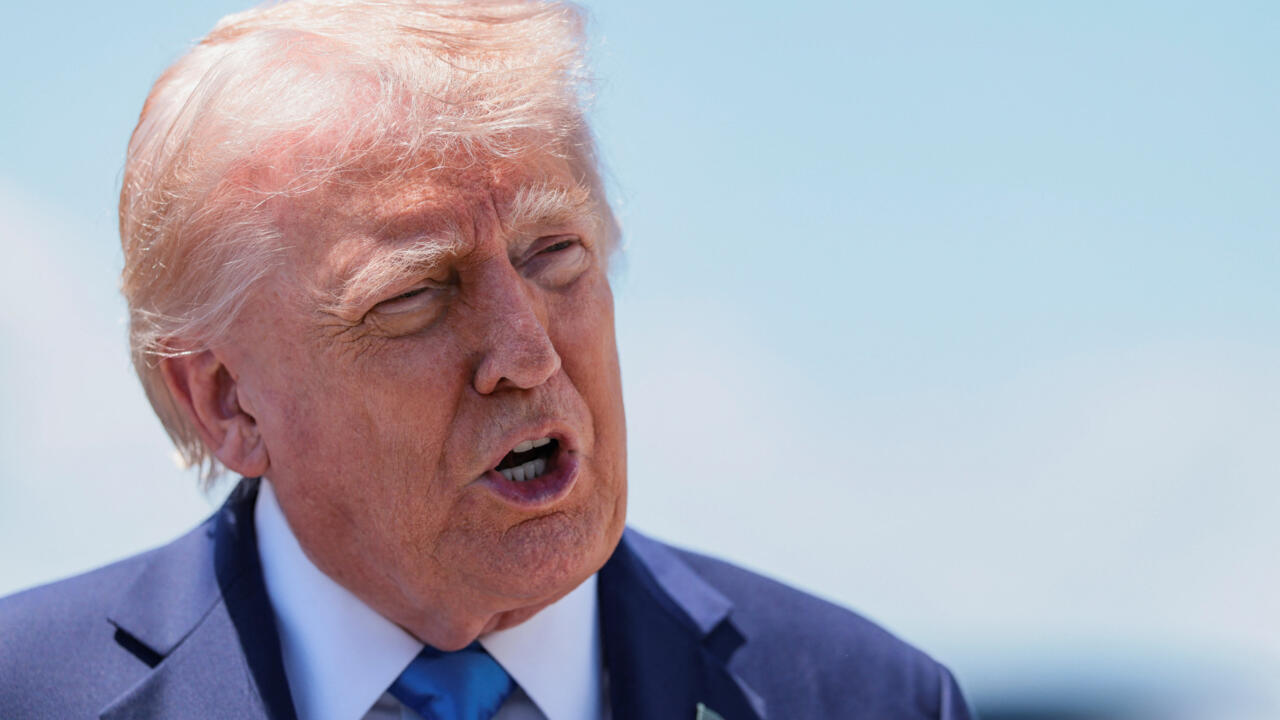
A senior US official has confirmed that President Donald Trump is dissatisfied with Iran's latest peace proposal, which seeks to conclude the ongoing conflict between the US and Israel. The proposal, reportedly communicated to Washington via Pakistan, suggests that discussions regarding Iran's nuclear programme should be deferred until the active hostilities cease and disputes over Gulf shipping are fully resolved. This conditional approach directly contradicts the US administration's established stance that nuclear issues must be addressed immediately rather than as a secondary concern.
The friction between the two sides highlights a fundamental disagreement over the sequencing of diplomatic concessions. While the White House is currently examining the offer to help unblock the Strait of Hormuz—a critical waterway through which a fifth of the world's traded oil and gas passes—President Trump voiced his unhappiness with the terms during a meeting with top security advisers on Monday. The administration views the deferral of nuclear talks as an unacceptable delay in preventing Iran from advancing toward nuclear weapons capabilities.
Secretary of State Marco Rubio offered a nuanced assessment of the proposal during a press appearance, describing the terms as better than what the administration initially anticipated Tehran might submit. However, he simultaneously questioned the genuineness of the offer, emphasising the necessity of ensuring any final agreement definitively prevents Iran from sprinting towards a nuclear weapon. Rubio's comments reflect the administration's deep scepticism, noting that the proposal fails to meet the immediate security requirements Washington has set for a viable peace framework.
Iran's Foreign Minister, Abbas Araghchi, has pushed back against these criticisms, attributing the failure of previous negotiation rounds to what he termed Washington's excessive demands. Speaking during a visit to Russia, Araghchi welcomed Moscow's mediation efforts and praised the strategic partnership between Tehran and Moscow, noting that recent events have demonstrated the depth of their ties. This diplomatic pivot to Moscow comes as Russia has repeatedly offered to mediate and proposed storing Iran's enriched uranium, a suggestion the United States has previously spurned.
The current stalemate is rooted in the collapse of the 2015 nuclear agreement, which sharply curtailed Iran's programme before President Trump unilaterally withdrew from the deal during his first term in office. Although Iran maintains that its nuclear activities are for peaceful, civilian purposes, the US insists on strict safeguards that must be implemented without delay. The administration's focus remains on unblocking the Strait of Hormuz and ensuring that any future deal does not leave the region vulnerable to renewed nuclear proliferation while the war continues.