US 30-year bond yields hit highest borrowing costs since 2001
The United States has sold 30-year bonds at borrowing costs not seen in over two decades, with yields surging as investors demand higher premiums amid concerns over fiscal trajectories and price stability.
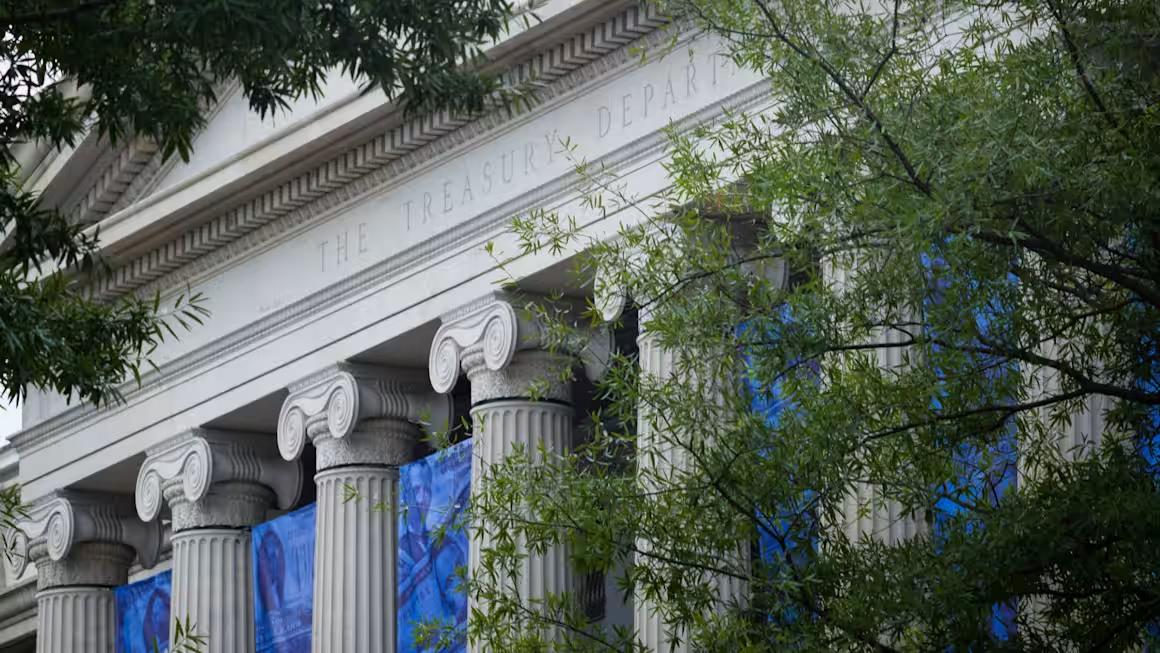
The United States has sold 30-year bonds at its highest borrowing costs since 2001, according to data reported by the Financial Times. The auction results mark a significant shift in market pricing for long-dated US debt, with yields jumping sharply as investors recalibrate their expectations for the macroeconomic environment.
The surge in borrowing costs comes as market participants cite growing concerns over the nation’s mounting public debt and persistently high inflation. These factors have weighed heavily on investor sentiment, driving up the yields required to clear the market for long-term government securities.
The move to higher yields reflects a broader reassessment of risk within the fixed-income markets. With inflation proving stubborn and the fiscal deficit expanding, lenders are demanding greater compensation for holding US Treasury bonds over extended periods. This dynamic places additional pressure on the cost of capital for both the government and private sector borrowers linked to benchmark rates.
While the political landscape in Washington has seen notable changes, including the departure of White House press secretary Karoline Leavitt after an 18-month tenure, these personnel shifts remain distinct from the financial mechanics driving the bond market. The bond auction’s outcome is driven primarily by economic fundamentals rather than administrative changes.
The highest borrowing costs for 30-year US debt in over two decades underscore the challenges facing fiscal policy. As yields remain elevated, the cost of servicing the national debt continues to rise, potentially constraining future government spending and influencing monetary policy decisions in the months ahead.