UNRWA faces expulsion threats as refugee narrative underscores agency’s foundational role
Amidst escalating geopolitical tensions, a personal account from a Palestinian refugee highlights the agency’s historical provision of identity, education, and healthcare, arguing it remains the only viable mechanism for Gaza’s post-conflict recovery.
Political pressure on the United Nations Relief and Works Agency for Palestine Refugees in the Near East (UNRWA) has intensified following reports that US officials are calling for a ban on its operations in Gaza. Concurrently, Israel is preparing raids on UNRWA compounds in occupied East Jerusalem, while the Israeli High Court considers rejecting an appeal against anti-UNRWA legislation. These developments coincide with the publication of a personal narrative by Palestinian refugee Nour Abo Aisha, which details the agency’s indispensable role in the lives of millions.
Abo Aisha’s account, published via Al Jazeera on 8 August 2026, traces her family’s displacement during the 1948 Nakba, when her grandfather Ahmed Abo Aisha fled Bir al-Sabea to Gaza. With official documents lost, UNRWA issued a family registration card, known as a kart al-moun, in 1950. This document provided legal identity and refugee status, allowing the family to access services and establishing a permanent record of their existence.
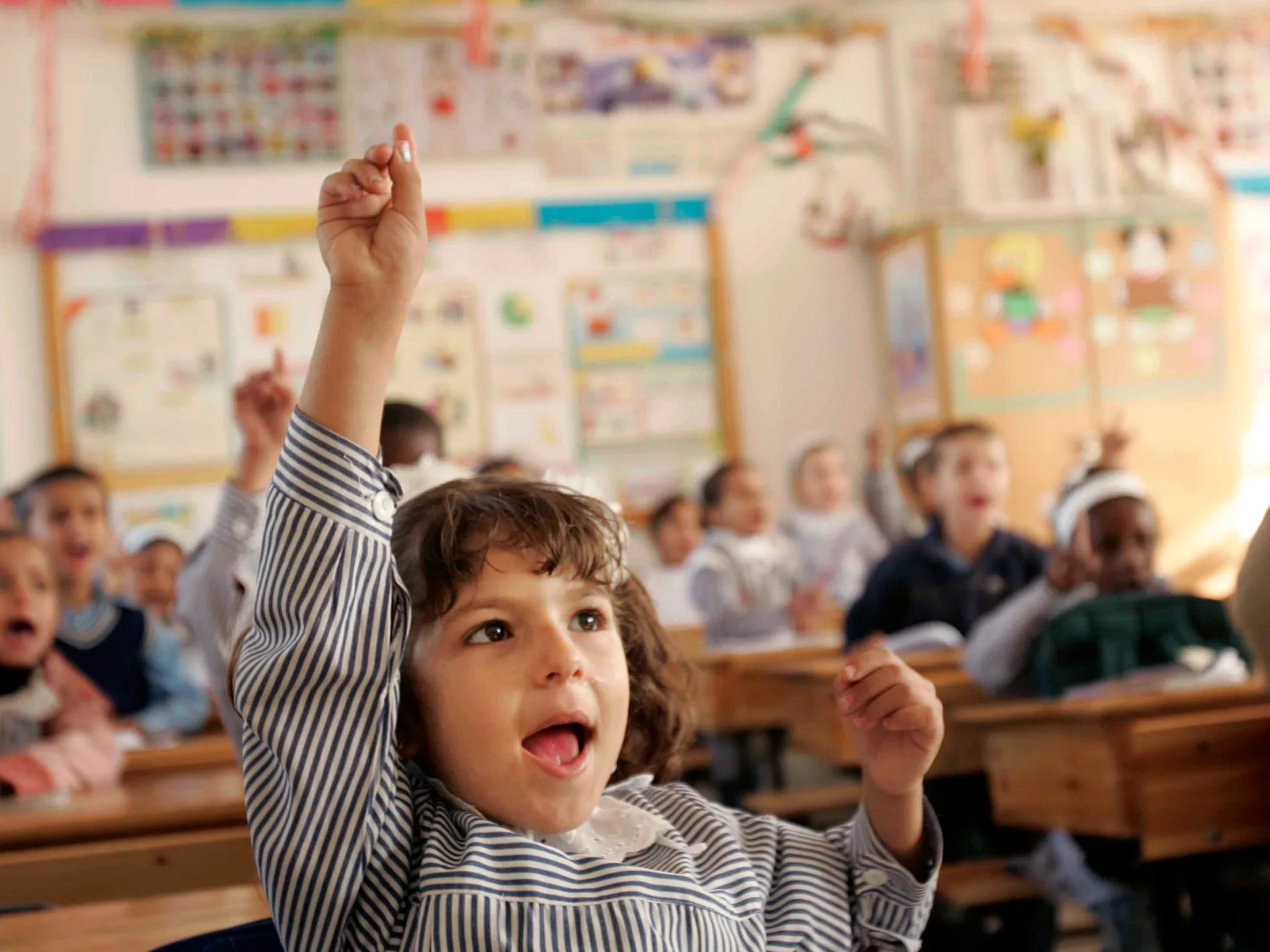
The agency’s presence rapidly expanded from issuing identity papers to establishing tent camps that evolved into major refugee settlements across the Strip, including Jabalia, Shati, Nuseirat, Bureij, Maghazi, Deir el-Balah, Khan Younis, and Rafah. By the time Abo Aisha’s generation reached school age, UNRWA operated nearly 200 schools in Gaza, providing free education, nutritional meals, and cash assistance to families.
Beyond education, the agency provided free healthcare, including vaccinations, lab tests, and medication, alongside food assistance distributed via kapona coupons every three months. UNRWA also employed thousands of Palestinians, offering job security that became integral to the community’s economic stability. Abo Aisha notes that these services transformed the desert landscape into structured communities, with schools and clinics serving as pillars of daily life.
The narrative argues that UNRWA is more than a humanitarian body; it is a core component of Palestinian identity and political rights. Abo Aisha contends that efforts to dismantle the agency are aimed at erasing the Palestinian refugee question and renouncing the right of return. With the displaced population in Gaza growing from 200,000 in 1948 to 2 million today, she asserts that UNRWA remains the only viable mechanism to address the displacement and dispossession resulting from the conflict.