University of Virginia claims NASA Lunabotics Grand Prize with resilient three-wheel strategy
The 2026 competition, which saw a surge in autonomous robotics, highlighted technologies critical to NASA’s Artemis programme and the upcoming Infrastructure Pilot Excavator mission.
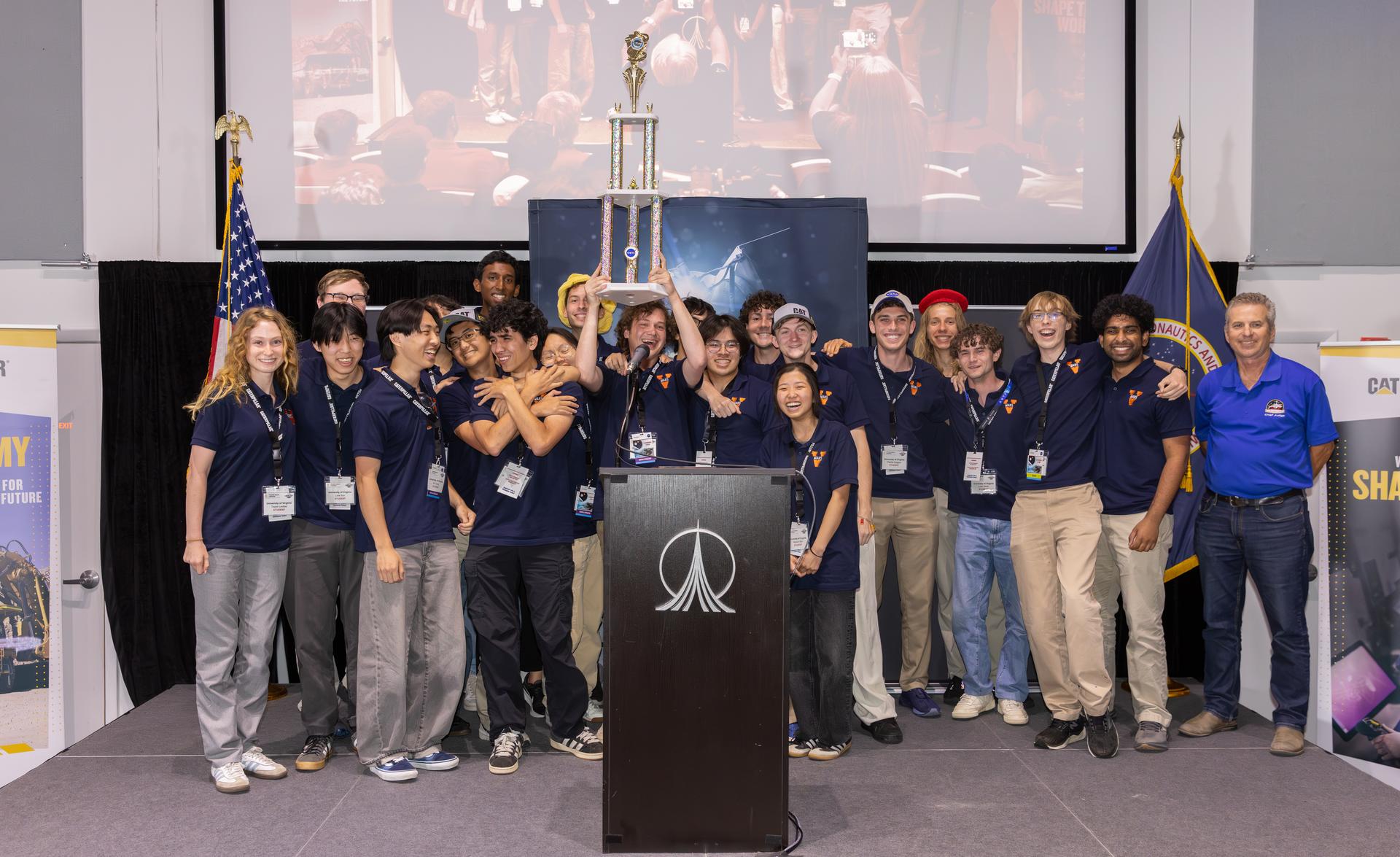
The University of Virginia has won the Off World Grand Prize at NASA’s 2026 Lunabotics Challenge, securing the top honour for overall excellence in student-engineered lunar construction robotics. The victory was cemented at the Kennedy Space Center Visitor Complex in Florida, where judges evaluated teams on systems engineering, autonomy, energy efficiency, and construction performance.
The competition, held from 19 to 21 May, featured 47 qualifying teams that advanced from a preliminary round at the University of Central Florida’s Exolith Lab. The top 10 finalists demonstrated robotic systems designed to excavate and transport simulated lunar soil, constructing berms to provide structural support for future infrastructure.
University of Virginia’s win hinged on resilience. During their first finals run, a wheel detached from their robot. Rather than halting operations, the 22-member team reconfigured the system to operate on three wheels and continued the task. Craig Kalkwarf, the team’s mechanical lead, noted that having spare metal wheels and a contingency plan allowed them to recover from the mechanical failure.
This year’s event marked a significant shift toward autonomy, with 27 teams competing fully autonomously, up from 12 in the previous year. Judges observed that the systems engineering prowess displayed was among the strongest in the 17-year history of the challenge, with teams demonstrating remarkable adaptability to obstacles such as rough terrain and damaged equipment.
The competition serves as a preparatory platform for NASA’s Artemis programme, specifically highlighting technologies relevant to the upcoming Infrastructure Pilot Excavator (IPEx) mission. Developed at NASA’s Kennedy Space Center Swamp Works, IPEx is designed to launch via the Commercial Lunar Payload Services initiative to act as both an excavator and hauler, utilising local lunar resources to support human exploration.
Other notable winners included the College of DuPage, which took the Lunabotics Construction Award for building the largest berm, and the University of Alabama in Huntsville, which won the Caterpillar Autonomy Award. The event underscores the role of student innovation in developing the resilient, efficient, and autonomous hardware required for a sustainable human presence on the Moon.