University of Delaware pilots shark-borne sensors for hurricane data collection
Researchers are attaching CTD tags to sharks to measure ocean heat content, aiming to improve storm intensity forecasts for coastal communities from North Carolina to Massachusetts.
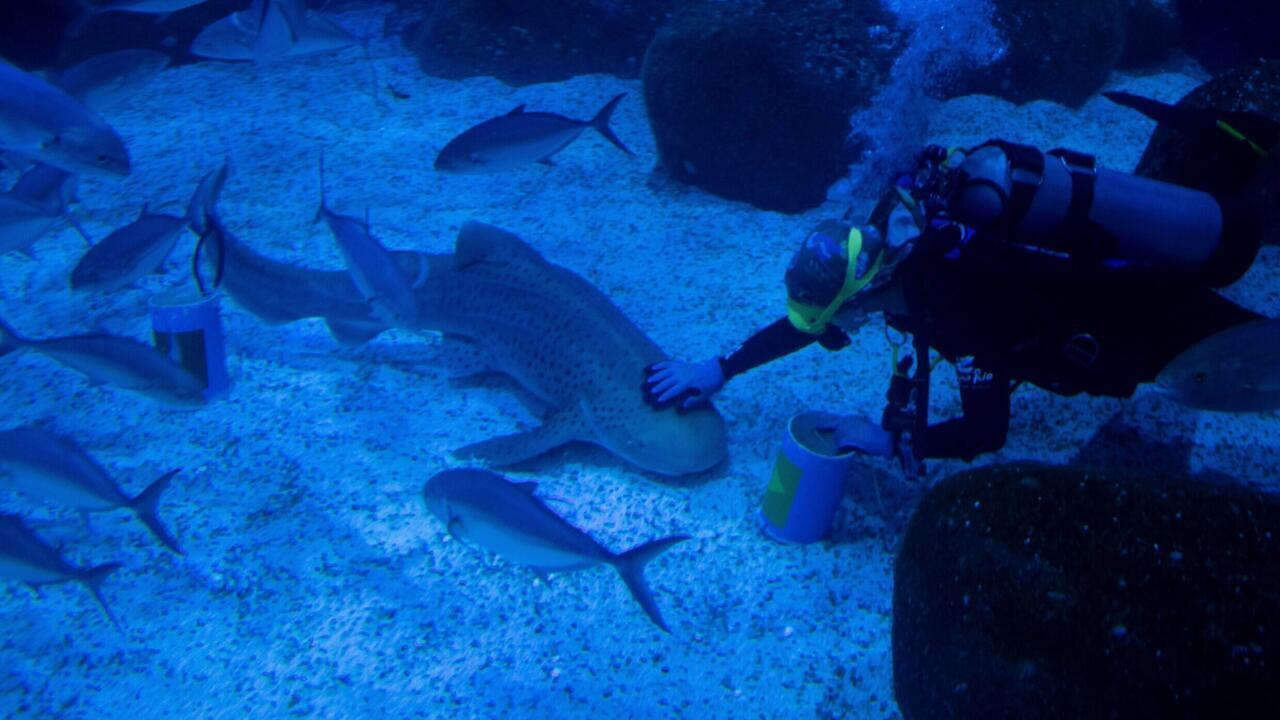
Researchers at the University of Delaware are conducting a pilot study to attach small electronic conductivity, temperature, and depth (CTD) tags to sharks off the US East Coast. The initiative, led by Aaron Carlisle, principal investigator and professor in the university’s School of Marine Science and Policy, seeks to determine whether highly migratory sharks can serve as effective mobile observers for oceanographic data. The project aims to gather information on ocean heat content, a critical factor in determining hurricane intensity.
The study targets shortfin mako sharks, blue sharks, smooth hammerheads, and juvenile great white sharks, favouring species that surface frequently to transmit data via satellite. Field operations are typically conducted in early May, when these migratory species move closer to the coast from winter habitats. Researchers deploy baited lines from vessels 50 to 65 kilometres offshore, waiting for sharks to take the bait before attaching the devices to their dorsal fins.
The attachment process is designed to be rapid and minimally invasive, taking less than five minutes. The tags are constructed from materials that will corrode and detach over time, ensuring the animals are not permanently altered. Each shark undergoes a health check prior to release to ensure it is not stressed or harmed, as unnatural behaviour could bias the scientific data collected during the testing phase.
Carlisle noted that while animal-borne sensors have been successfully used on elephant seals in polar regions, sharks offer a distinct advantage due to their abundance and accessibility in the North Atlantic. The primary focus is the mixed layer of the ocean, which holds the heat that fuels hurricanes. Warmer temperatures in this layer are directly correlated with stronger storm systems, making accurate measurement vital for forecasting.
Caroline Wiernicki, a doctoral candidate involved in the field operations, contrasted the scientific reality with sensationalist popular culture portrayals. She described the sharks as perfectly adapted animals rather than fearsome predators, noting that the data collection is routine. If the project succeeds, the data could provide communities from North Carolina to Massachusetts with more reliable information to enhance coastal resilience against strengthening storms.
The initiative remains in the testing phase, with no confirmation yet that shark-collected data will definitively improve hurricane prediction models. However, the research represents a shift from traditional tagging methods that tracked only migration paths, towards a model that utilises marine life for real-time environmental monitoring.
Carlisle emphasised that the goal is to demonstrate a mutually beneficial outcome, where scientific progress is achieved without compromising animal welfare. By leveraging the natural behaviour of sharks, the university hopes to contribute valuable data to oceanographic, atmospheric, and climate models, potentially aiding in better preparedness for future storm seasons.