Unitree’s Viral Robot Surge Precedes Chinese Firm’s Stock Market Debut
Chinese robotics firm Unitree reports profitability and strong international sales following the viral success of its G1 humanoid robots, even as US authorities ban new imports and operators rely on teleoperation for safety.
Chinese robotics manufacturer Unitree is preparing for a public listing on the Chinese stock market in approximately two weeks, a move that follows a period of significant commercial expansion driven by the viral popularity of its G1 humanoid robots. The company reported profitability for the first time in 2025, with more than half of its revenue derived from direct deliveries of humanoids to real-world customers rather than laboratory testing.
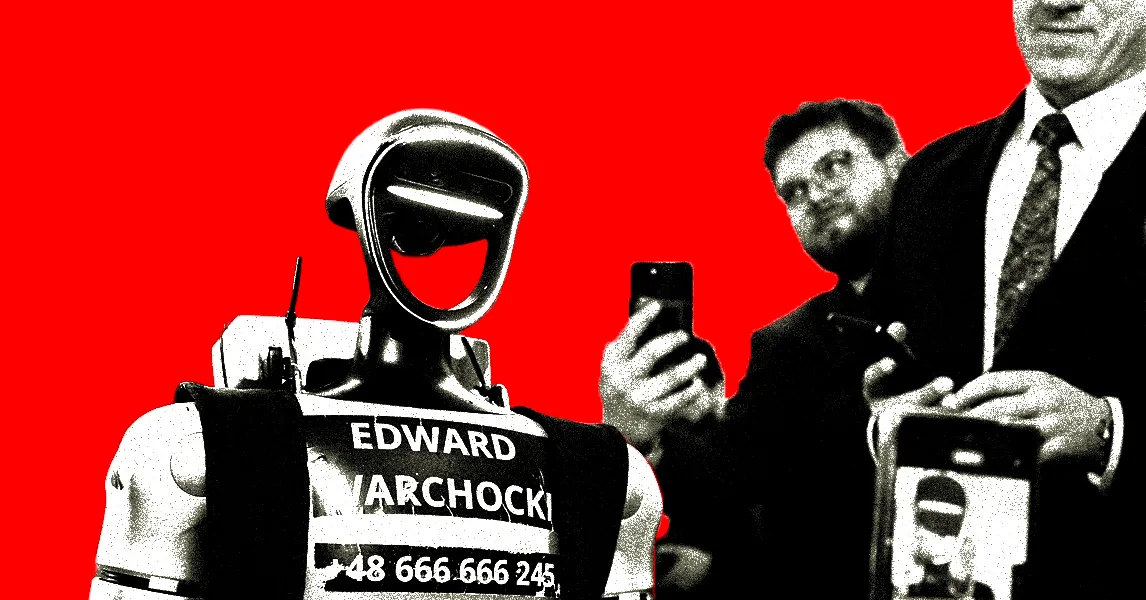
The surge in demand has been fuelled by the global rise of humanoid social media influencers, most notably Edward Warchocki in Poland and Brickell Clanker in the United States. Warchocki, a Unitree G1 wired to a large language model, has accumulated over one million followers and four billion views across social media platforms, while Brickell Clanker commands appearance fees of up to $1,200 an hour at corporate events and parties in Miami.
Unitree’s financial disclosures reveal that the company shipped 5,511 humanoid robots in 2025 at an average price of less than $25,000 each. Approximately 43 percent of these sales occurred outside of China, highlighting the global appetite for the affordable aluminium-bodied machines, which are priced between $13,500 for the basic model and $66,000 for the U5 educational variation before tariffs and shipping costs.
Despite this commercial success, the sector faces mounting regulatory headwinds, particularly in the United States. The US Federal Communications Commission announced a ban on new Chinese-made humanoid robots in July. While existing approved models like the G1 and the newer, cheaper R1 remain theoretically permitted, the prohibition creates uncertainty for future sales and prevents Unitree from introducing next-generation robots to the US market.
In practice, the deployment of these robots remains constrained by safety concerns and technical limitations. Operators in both Poland and the US report that they teleoperate the machines for the majority of public appearances to prevent malfunctions that could endanger bystanders. The G1 currently offers only 20 gestures and 15 dance moves out of the box, requiring technical expertise to programme additional movements, such as the Viking Row gesture recently performed by Brickell Clanker.
While Unitree’s financial metrics suggest a robust business model, doubts persist regarding the robots' ability to perform traditional labour roles in the economy. For now, the primary use case remains entertainment and influencer marketing, with companies like Bartosz Idzik’s MERA Robotics operating fleets of 20 robots across Poland, the Middle East, and Southeast Asia to capitalise on this niche.