United Airlines Q2 2026 earnings beat estimates as fuel costs loom
Second-quarter results for United Airlines surpassed analyst expectations, driven by strong demand in premium, corporate, and basic economy segments, despite a forecasted $6 billion increase in fuel expenditures.
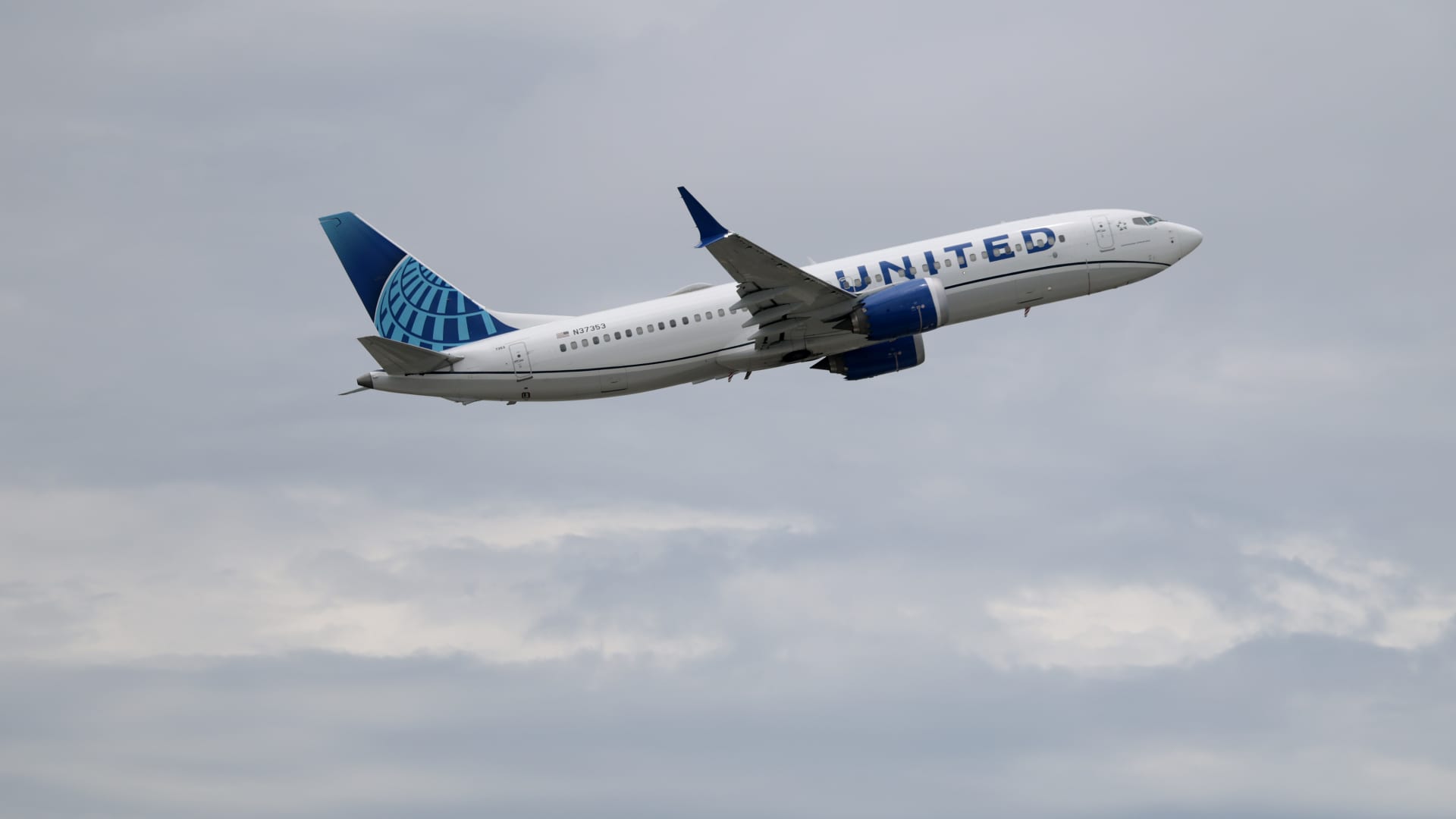
United Airlines reported second-quarter 2026 earnings that exceeded analyst estimates, according to data cited by CNBC. The carrier’s financial performance was underpinned by higher revenue generated across a diverse range of ticket categories, including premium, corporate, and no-frills basic economy fares.
Revenue growth was observed across both domestic and international travel markets. The airline benefited from increased demand in these segments, contributing to a top-line result that outperformed market expectations for the quarter.
The positive earnings report comes as the airline faces significant headwinds regarding operational costs. United anticipates an additional $6 billion in fuel costs, a projection that highlights the ongoing pressure on aviation margins despite strong passenger demand.
The fuel cost increase represents a forward-looking estimate rather than a realised expense for the reported quarter. This projection underscores the volatility inherent in the aviation sector, where input costs can shift rapidly and impact future profitability even when current earnings are robust.
While specific earnings per share figures were not detailed in the source material, the overarching narrative from the report indicates a resilient performance in revenue generation. The company’s ability to drive growth across multiple fare classes suggests a broad-based recovery in travel spending.
The contrast between the strong quarterly results and the substantial projected fuel cost increase presents a mixed outlook for investors. The airline’s capacity to maintain profitability will likely depend on how effectively it can manage these rising input costs against its revenue streams.