UNICEF flags institutional strain as one million Afghan children face malnutrition risk
The UN children’s agency reports a one-third rise in hospital admissions for severe wasting since mid-2025, with southern facilities facing critical capacity shortages.
The United Nations Children’s Fund (UNICEF) has issued a stark assessment of the governance and health infrastructure in Afghanistan, warning that one million children are at risk of death from severe acute malnutrition. The agency’s report highlights a rapidly deteriorating public health landscape, where the absence of immediate treatment is cited as the primary driver of potential mortality among the most vulnerable demographic.
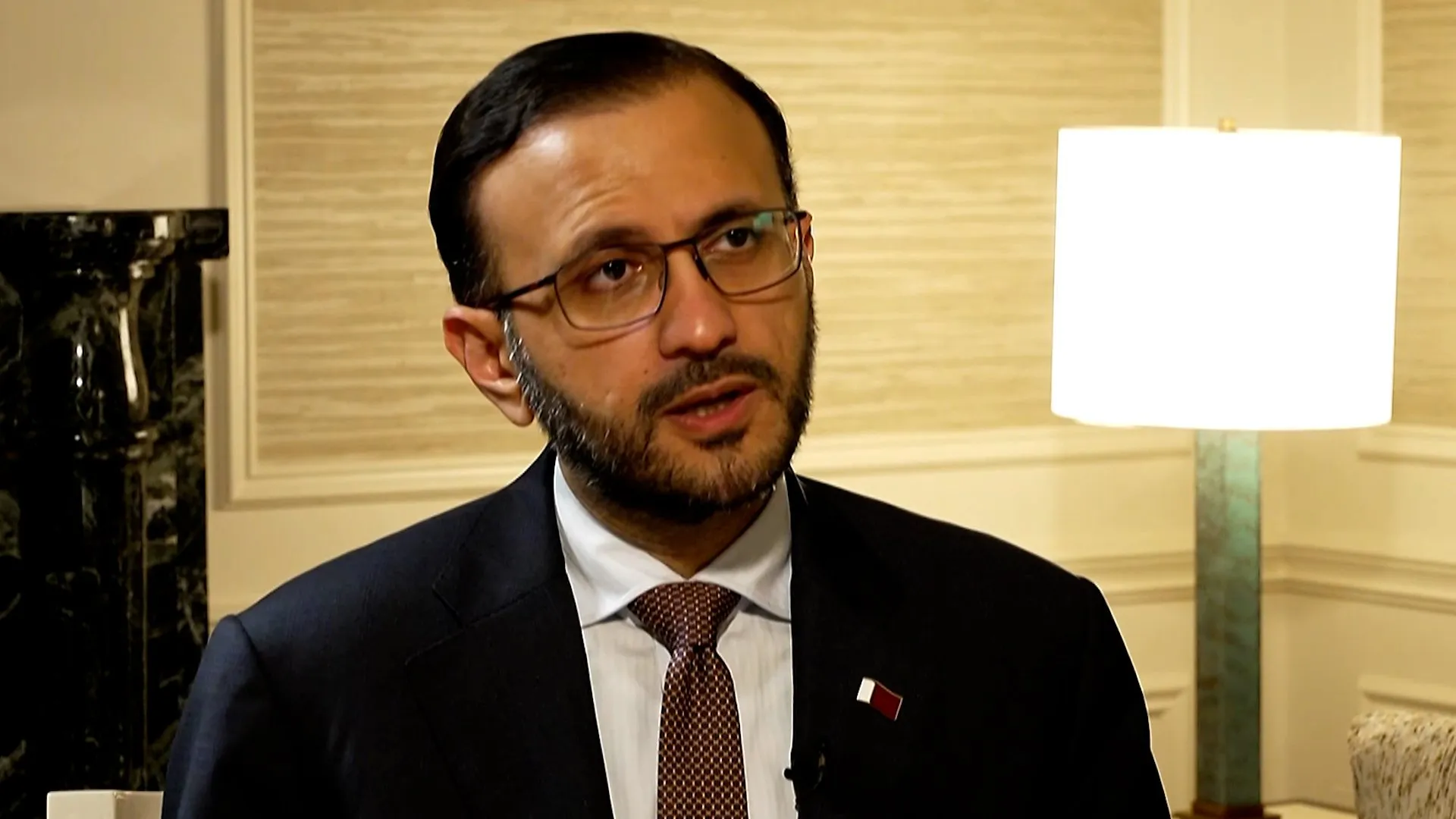
According to data presented by UNICEF country representative Tajudeen Oyewale, 3.7 million children across the country are currently experiencing "wasting," a clinical term for acute malnutrition. Of this total, one million are classified as suffering from life-threatening severe acute malnutrition. Oyewale described the situation as a worsening nutrition crisis, noting that the current figures represent a significant escalation in the scale of the humanitarian challenge.
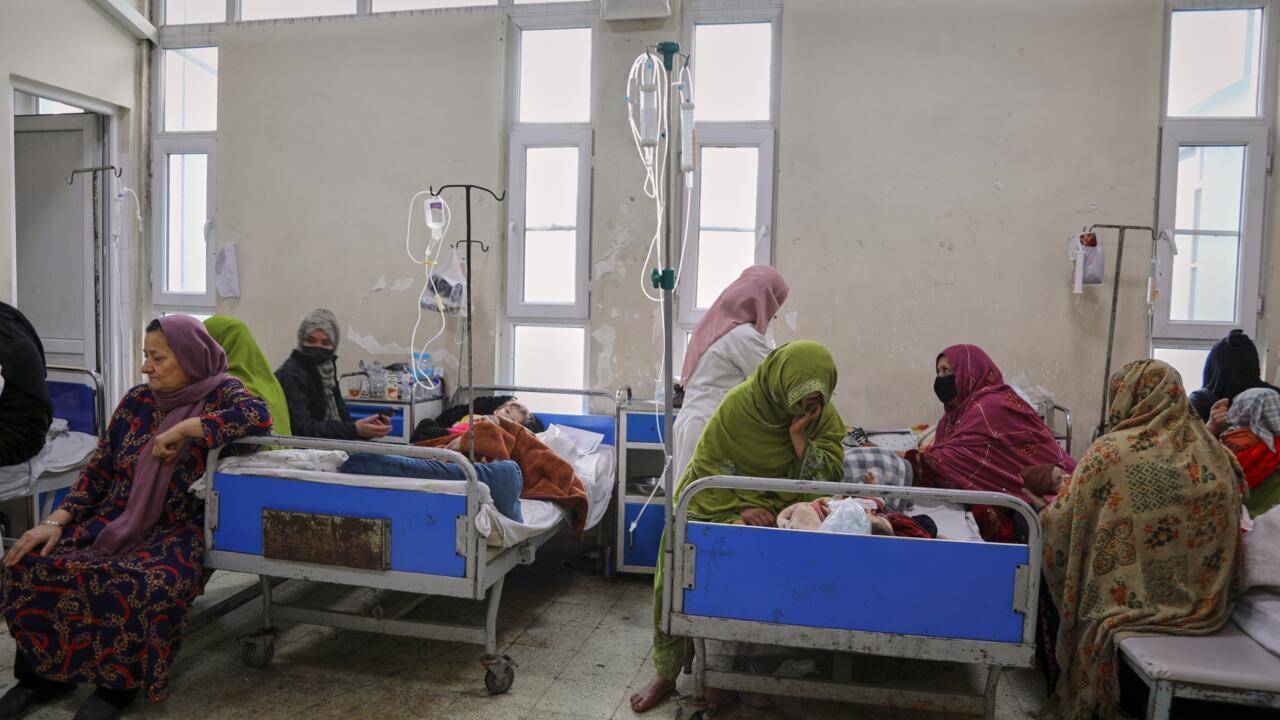
The strain on medical facilities is evident in the admission statistics. More than 500,000 children have required hospital admission for high-risk, moderate, and severe wasting so far this year. The trend indicates a sharp increase in demand for medical services, with hospital cases rising by a third between July 2025 and July 2026. Specifically, recorded cases grew from approximately 6,000 in mid-2025 to more than 8,000 in the same period this year.
The demographic profile of the crisis reveals a heavy concentration among the youngest children. Children under two years old account for more than 80 per cent of all severe acute malnutrition cases. Furthermore, nearly 40 per cent of those admitted to hospitals with severe wasting and associated medical complications are babies under six months old. Oyewale noted that malnutrition plays a central role in the rising number of deaths among these infants.
Institutional capacity in certain regions has reached a breaking point. In parts of southern Afghanistan, some hospitals are now treating three or four severely malnourished children for every available bed. This ratio suggests that local health systems are operating beyond their sustainable limits, exacerbating the risk for patients who require intensive care.
The current crisis is set against a backdrop of prolonged economic instability. Afghanistan has endured repeated hunger crises in recent decades due to civil war and other hardships. An economic collapse followed the Taliban government’s return to power after US-led forces withdrew in 2021, a structural shift that continues to influence the country’s ability to fund and maintain essential health services.