UNHCR reports 144 dead or missing in Mauritania maritime incidents
New data from the UN refugee agency reveals significant casualties off the Mauritanian coast, with 143 individuals lost from a single vessel stranded for 25 days.
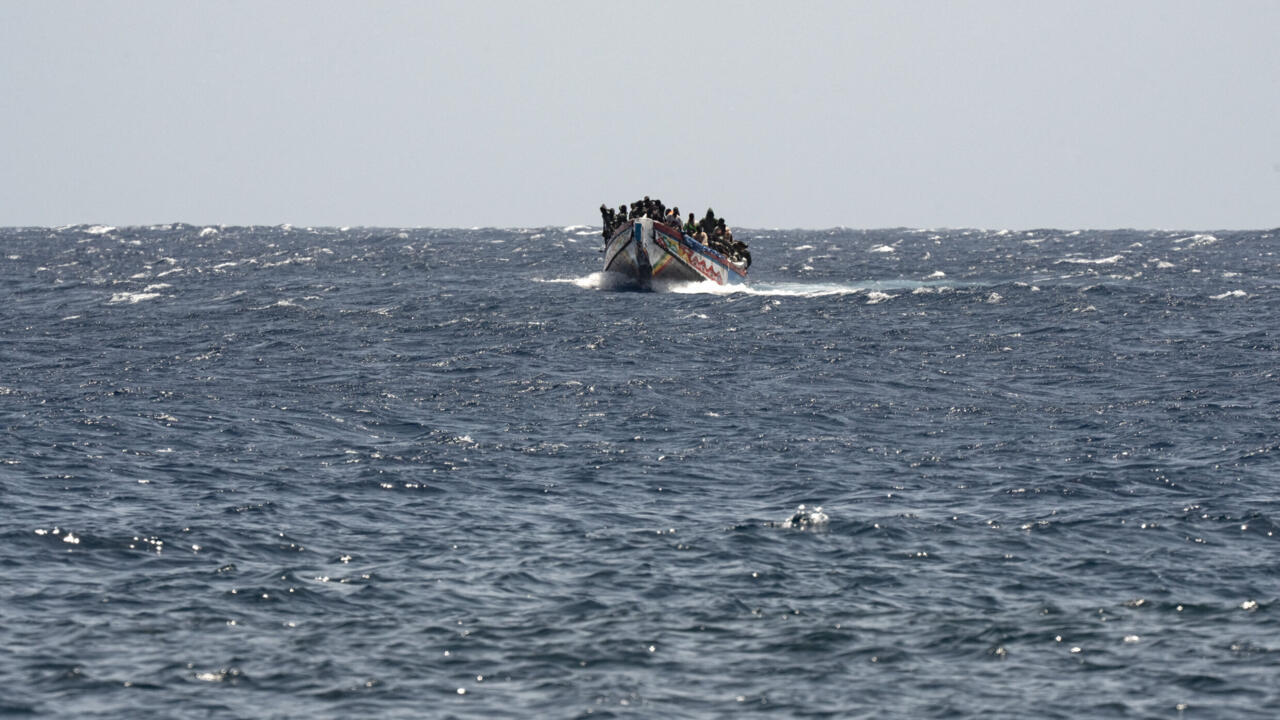
The UN refugee agency (UNHCR) confirmed on Tuesday that 144 people are dead or missing following maritime incidents off the coast of Mauritania last week. The figures emerge from three rescue and disembarkation operations conducted in Nouadhibou between July 14 and 18, which brought 387 individuals safely ashore.
The majority of the casualties occurred on a single vessel that departed from Bufalo in The Gambia. The boat, which was heading for Spain, remained stranded at sea for nearly 25 days before being rescued. Of the 181 people on board, only 38 survived, including two children who had lost all their family members during the crossing. A further death was reported on a separate ship that disembarked on July 14.
UNHCR spokesman Matthew Saltmarsh described the events as "tragic maritime incidents" that underscore the human cost of migration routes from West Africa to Europe. He noted that the Atlantic corridor remains one of the world’s deadliest mixed movement corridors, citing long distances, unpredictable ocean conditions, overcrowded and unseaworthy vessels, and limited access to timely rescue operations.
According to UNHCR data for 2026, there have been 17 disembarkations recorded in Nouadhibou and Nouakchott, with a total of 2,147 individuals rescued so far this year. Despite these ongoing tragedies, the agency reported that arrivals to the Spanish archipelago were down 61 percent compared to 2025 levels, with 4,400 arrivals recorded as of July 15.
The report comes amid broader discussions on migration management, including the European Parliament’s recent clearance for offshore migrant detention centres, referred to as 'return hubs'. Meanwhile, the UN has also launched a new refugee hub in Ethiopia aimed at providing legal aid and protection, reflecting a multi-faceted approach to displacement challenges across different regions.