UNHCR report: 117.8 million forcibly displaced worldwide by end of 2025
The United Nations High Commissioner for Refugees has released its latest assessment, confirming that 117.8 million people were forcibly displaced globally by the close of 2025.
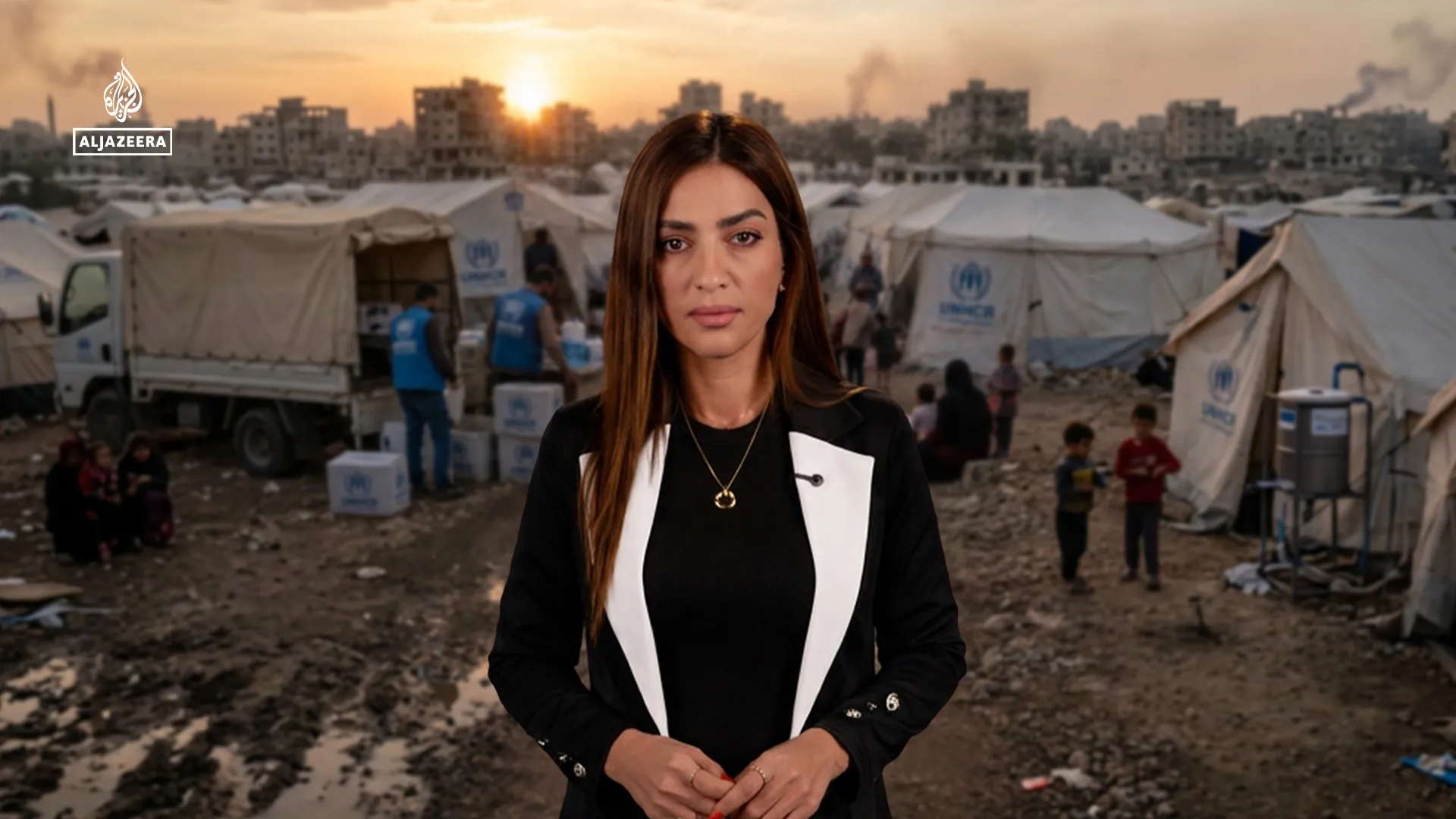
The United Nations High Commissioner for Refugees (UNHCR) has released a new report detailing the scale of global displacement, revealing that 117.8 million people were forcibly displaced worldwide by the end of 2025. The data underscores the persistent challenges facing international governance structures in managing migration and humanitarian crises across multiple regions.
The agency’s assessment explicitly includes victims of the war in Lebanon within these broader figures. While the report aggregates the total number of displaced individuals, it does not provide a specific breakdown of how many of the 117.8 million are attributed solely to the conflict in Lebanon. The inclusion of these victims highlights the compounding effect of regional instability on global displacement metrics.
Published in mid-2026, the report covers data up to the end of 2025, providing a comprehensive snapshot of the humanitarian landscape at that time. The UNHCR, as the primary UN body mandated with protecting refugees and resolving refugee problems, continues to serve as the central institution for tracking these population movements.
The figure of 117.8 million represents a significant volume of forced migration, reflecting the ongoing impact of conflicts and persecution worldwide. The report’s release signals the continued need for coordinated policy responses from member states and international organisations to address the root causes and consequences of displacement.
As the global community processes these statistics, the focus remains on the institutional mechanisms required to support displaced populations. The UNHCR’s data serves as a critical reference point for policymakers assessing the adequacy of current protection frameworks and the allocation of resources to affected regions.
The inclusion of Lebanon war victims in the total count draws attention to the specific humanitarian needs arising from that conflict. However, the absence of granular data in the source material means that the precise scale of displacement within Lebanon remains undefined within this specific report summary.
This latest assessment from the UNHCR reinforces the urgency of addressing forced displacement as a core component of international security and policy agendas. The figures will likely inform future debates on refugee quotas, aid distribution, and diplomatic efforts to resolve the underlying conflicts driving these movements.