UNESCO warns Afghanistan education crisis deepens as 2.4 million girls barred from school
A new report from the United Nations agency highlights the reversal of two decades of progress, with the Taliban’s ban on female secondary education now impacting 200,000 more girls than last year.
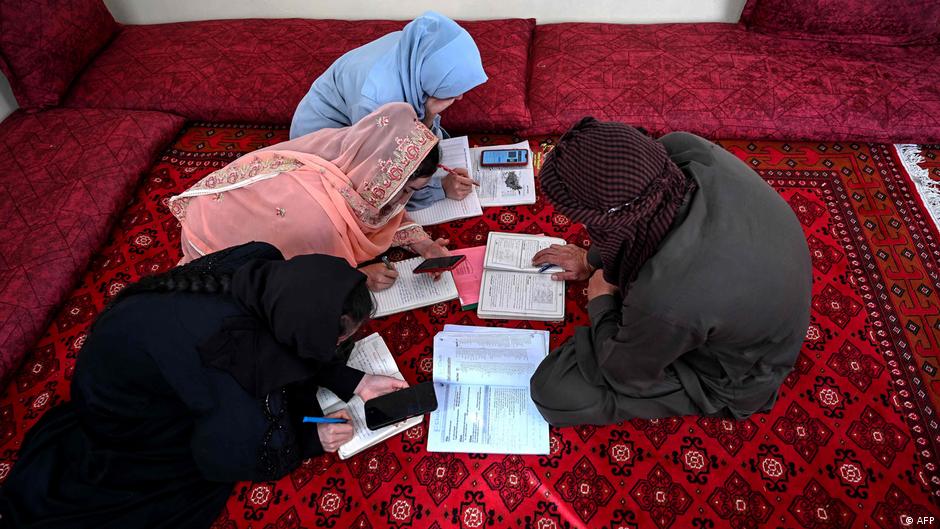
UNESCO has reported that approximately 2.4 million girls in Afghanistan are currently denied access to secondary education following the Taliban’s return to power in 2021. The agency notes that this figure has risen by 200,000 since last year, with projections suggesting the number could reach nearly four million by 2030 if the restrictions remain in place.
Hoda Jaberian, UNESCO’s program coordinator for education in emergencies, stated that Afghanistan remains the only country in the world where girls and women are formally banned from secondary and higher education. She emphasised that five years of exclusion represents nearly an entire secondary school cycle, describing the situation as a complete reversal of the progress made since 2001.
The ban, which was implemented in March 2022 for secondary schools and December 2022 for universities, has triggered significant economic and social consequences. UNESCO estimates that excluding women from the education system could push around 600,000 women out of the workforce by 2066, resulting in cumulative income losses of 9.6 billion US dollars. The agency also warns of a potential deficit of more than 11,000 qualified female teachers by 2030.
The education crisis is compounded by broader systemic failures and demographic pressures. More than two million primary school children are already out of school for reasons unrelated to the gender ban, and the national literacy rate stands at just 37 per cent. Additionally, natural disasters such as earthquakes and floods have forced the closure of around 1,000 schools since 2021, while the return of more than seven million people to Afghanistan since 2023 has placed further strain on infrastructure.
While the Taliban has described the educational restrictions as temporary and insisted they respect women’s rights under their interpretation of Islamic law, the UN has characterised the broader system of restrictions on women as “gender apartheid”. Russia remains the only country to formally recognise the Taliban administration, while UNESCO continues to support community-based education initiatives in the region.