UNESCO to decide on Normandy D-Day beaches heritage status in July
The United Nations’ cultural agency is scheduled to announce its decision on the designation between 24 and 27 July 2026, concluding a nomination process initiated nearly two decades ago.
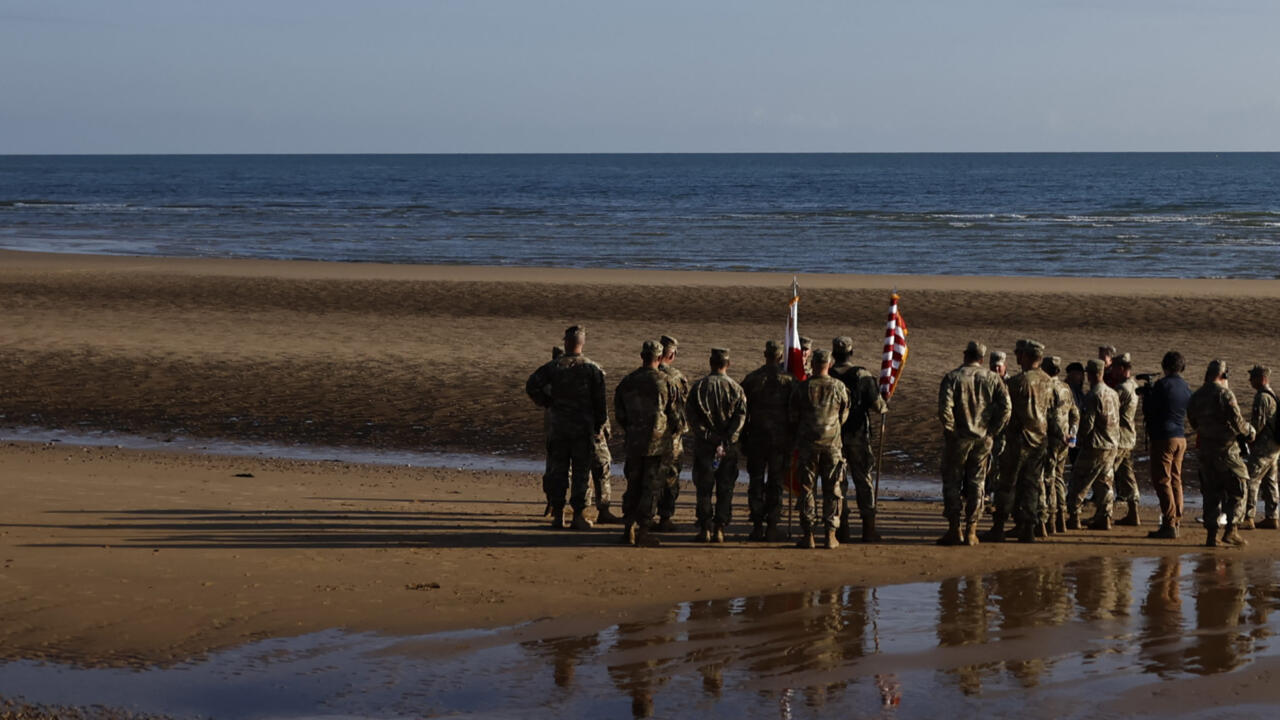
Normandy’s D-Day landing beaches are set to be considered for inclusion on the UNESCO World Heritage List, a designation that would formally recognise the site’s outstanding universal value. The decision will be made by the United Nations’ cultural agency during its annual session, with the announcement expected between 24 and 27 July 2026.
The proposed listing represents the culmination of a preservation project that was initiated nearly 20 years ago. French authorities have pursued the nomination to elevate the international profile of the coastal sites, which served as the primary landing zones for Allied forces during the Second World War.
Under the UNESCO framework, the designation aims to highlight the historical significance of the area, including specific engineering feats such as the location where Allied forces constructed an artificial harbour. The site is widely understood to refer to the Mulberry harbours, temporary portable structures developed to facilitate the offloading of supplies onto the Normandy beaches following the initial landings on 6 June 1944.
The nomination process involves a rigorous evaluation of the site’s cultural and historical criteria. While the specific scope of the nomination regarding the five main landing beaches—Utah, Omaha, Gold, Juno, and Sword—is not detailed in the current source material, the focus remains on the collective historical impact of the D-Day operations.
If approved, the designation would place the Normandy beaches alongside other globally significant sites, requiring enhanced conservation and management plans. The outcome of the UNESCO decision remains pending, with the final inscription expected to be confirmed within the specified July window.