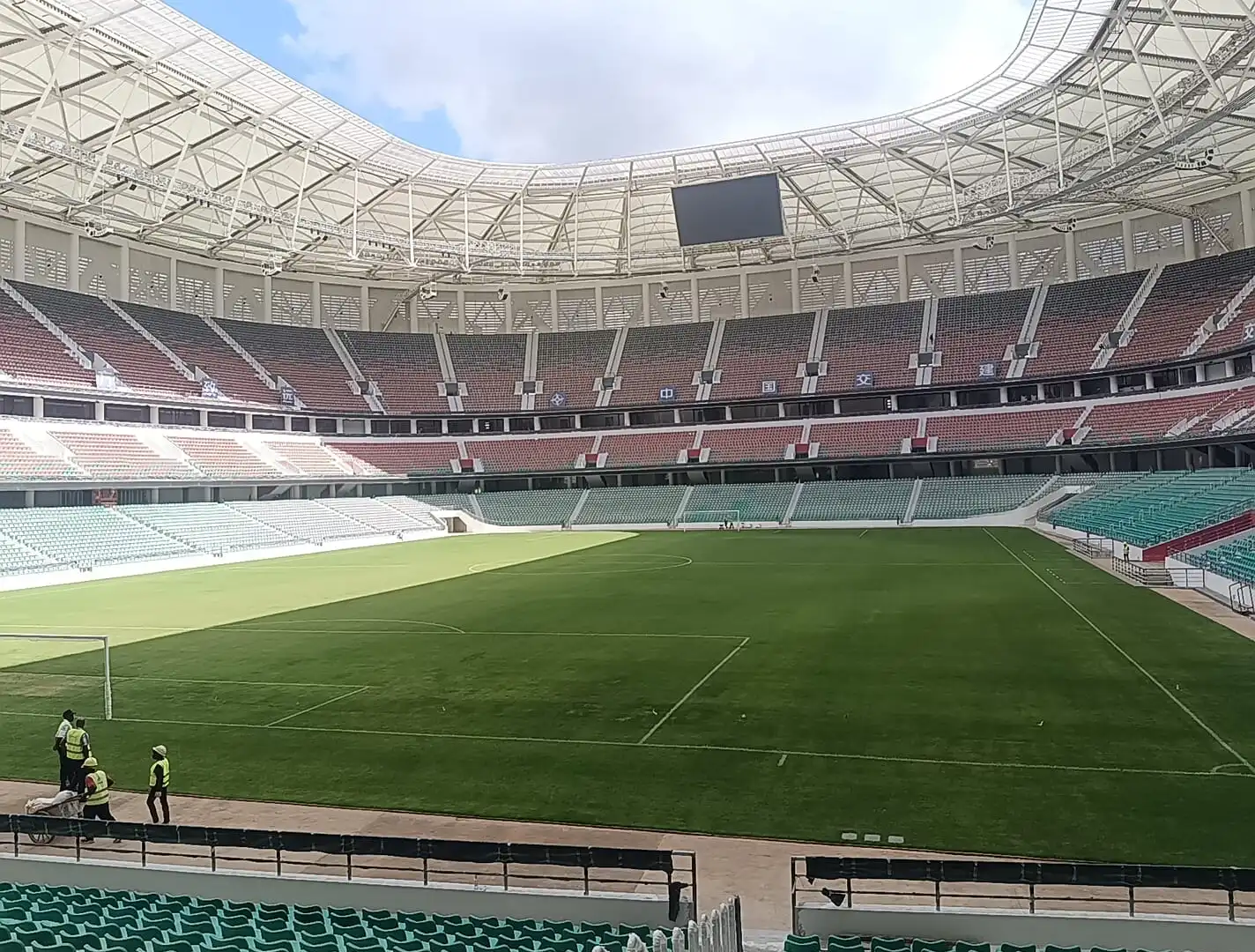
UNESCO restoration efforts struggle against climate threats to Chinguetti's Islamic manuscripts
As annual rainfall in the region drops by 35 per cent since 1970, the preservation of rare texts relies on individual custodianship and international intervention.
The medieval ksar of Chinguetti in Mauritania remains a fragile repository of Islamic learning, now largely abandoned due to desertification and a shift in local demographics. While the site holds World Heritage Status granted by UNESCO in 1996, the town faces existential threats from climate change that traditional preservation methods alone cannot mitigate.
In 2024, the United Nations Educational, Scientific and Cultural Organisation launched a $100,000 restoration project aimed at stabilising the preservation sector. This initiative distributed air-conditioning units, computers, printers, shelving, and storage boxes across 13 family libraries to combat heat damage and improve accessibility. Despite these interventions, the collection remains vulnerable to extreme temperatures, flash floods, and encroaching sand dunes.
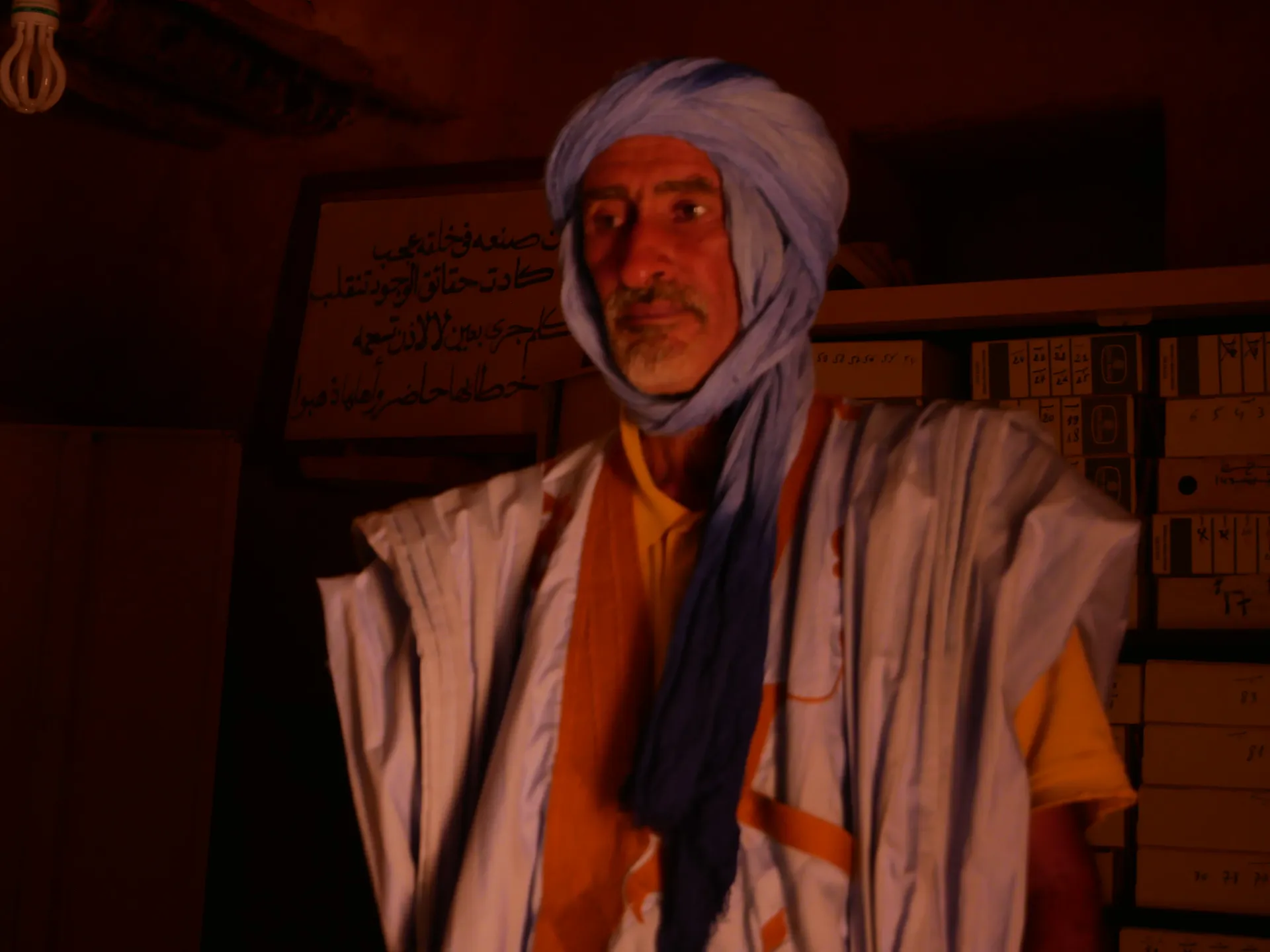
Muhammad Gholam el-Habot, a 50-year-old bookkeeper, continues to safeguard approximately 1,400 rare manuscripts inherited from his family. He views his custodianship not merely as a job but as a sacred family obligation to protect the texts for future generations and humanity. His dedication stands in contrast to a younger generation that has largely migrated to the capital, Nouakchott, seeking economic opportunities.
The environmental pressures on the region are intensifying, with annual rainfall in Mauritania decreasing by 35 per cent since 1970. This decline exacerbates desertification, making it increasingly difficult for herders and date palm production to sustain local livelihoods. Consequently, many residents have left the historic town, accelerating the decline of the community that once supported these libraries.
Beyond the physical environment, the manuscripts themselves face degradation from unpredictable weather patterns. Extreme heat and sudden rainstorms can render texts brittle or water-damaged, while sandstorms threaten to bury the structures entirely. Researchers note that the mud libraries, originally built for a different climate, are ill-equipped to handle the accelerated changes driven by human-induced climate change.
Despite the challenges, recent discoveries within the collection highlight the enduring value of these archives. El-Habot recently identified a manuscript containing illustrations of the moon's luteal phases, an eclipse, and depictions of Mecca and Madina. These items, alongside thousands of others covering jurisprudence, medicine, and poetry, represent a critical link to the region's intellectual history.