UNESCO inscribes West Bank and Lebanese heritage sites amid Israeli objections
The decision, reached during an emergency review in Busan, South Korea, defies strong opposition from Israel, which accused the United Nations body of politicising cultural heritage and erasing historical narratives.
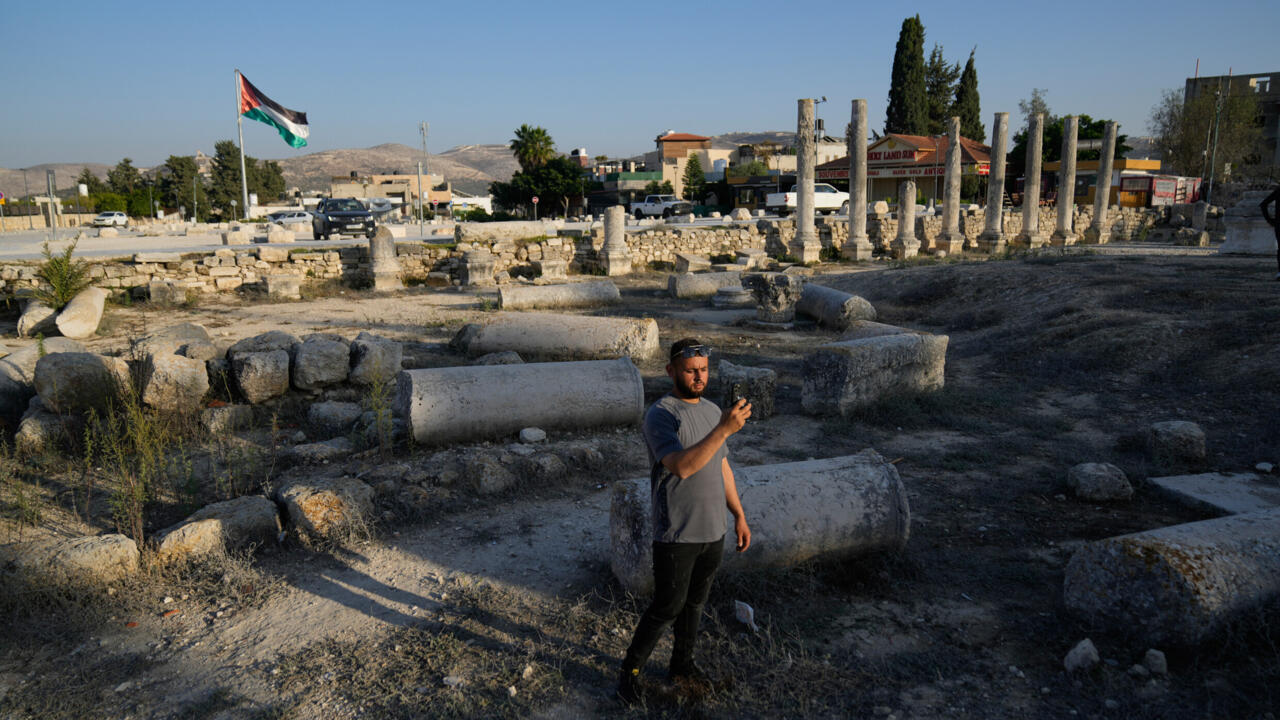
The UNESCO World Heritage Committee has inscribed the archaeological site of Sebastia in the West Bank and five historic castles in Lebanon’s Mount Amel region onto the World Heritage List. The decision was made during an emergency review at the committee’s meeting in Busan, South Korea, despite strong opposition from Israel. Both designations were simultaneously placed on the List of World Heritage in Danger, citing ongoing conflicts in the Middle East.
Israel’s Foreign Ministry had urged the committee to reject the nominations, describing them as a “weaponisation of cultural heritage” and a political attempt to erase the site’s Jewish and Christian history. Sebastia, identified by scholars as ancient Samaria, was nominated by the Palestinian delegation in 2012. It is believed to be the burial site of John the Baptist, with archaeological remains spanning the Iron Age, Roman, Byzantine and Islamic periods.
The five Lebanese castles, including the Crusader-built Beaufort Castle (Al-Shaqif), reflect nearly nine centuries of architectural evolution, combining Crusader, Ayyubid, Mamluk and local influences. Israeli forces seized Beaufort Castle in May during their deepest incursion into Lebanon in over 25 years. The Lebanese delegate at the meeting accused Israeli media of misrepresenting tourist facilities at the castles as military tunnels, stating the sites had been used only for cultural and tourism purposes since Israel’s withdrawal from southern Lebanon in 2000.
Israel withdrew from UNESCO in 2019 but is attending the Busan meetings as observers. A member of the Israeli delegation described the decision as a result of politicisation that has “ruined UNESCO” and led to “mockery of history”. The ministry also objected to listing Beaufort Castle, claiming Hezbollah has turned the site into a military stronghold.
UNESCO stated that all nominations are evaluated under the same technical criteria and that it does not take positions on political disputes. The inscriptions follow recent escalations in the region, including the placement of the ancient Phoenician city of Tyre on the World Heritage in Danger list earlier in the week due to intense Israeli airstrikes in early June.