Under Armour Shares Tumble 9% as North American Demand Collapse Deepens
CEO Kevin Plank’s restructuring strategy incurs $266 million in costs as hedge fund ownership wanes and short interest spikes to nearly 24 per cent of the float.
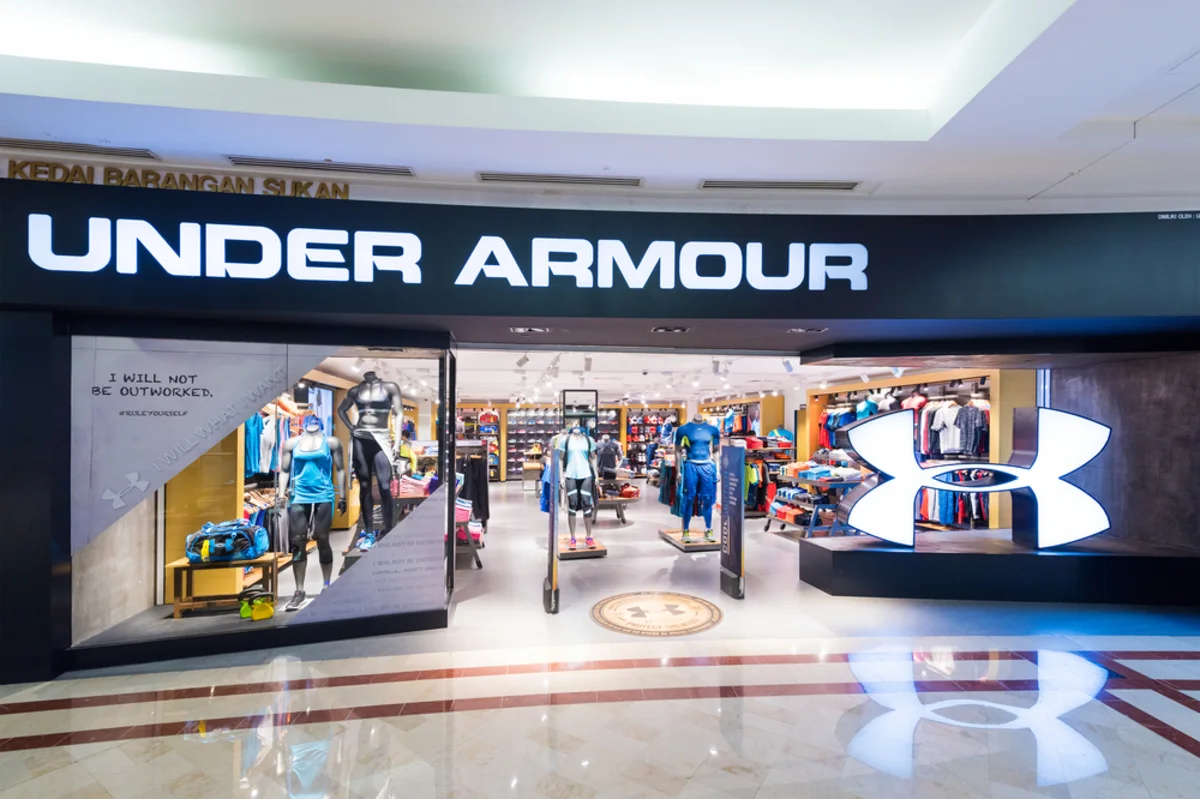
Under Armour shares fell as much as 9 per cent on 7 August after the athletic apparel manufacturer downgraded its full-year revenue guidance to a mid-single-digit decline, a significant deterioration from previous targets of a slight drop. The sell-off underscores market impatience with a turnaround strategy that is facing steeper headwinds than anticipated, particularly in its largest market.
The company reported a 9 per cent revenue drop in its North America sector, its primary revenue driver, to $609.8 million for the fiscal quarter ended 30 June. Chief Financial Officer Reza Taleghani indicated during a post-earnings call that the difficult consumer environment in North America and parts of Asia Pacific is expected to persist through the second quarter, compounding the pressure on near-term sales.
CEO Kevin Plank, who returned to the role in 2024, is executing a strategic reset focused on reducing the product assortment by approximately 25 per cent to prioritise higher-priced items in training, running, and team sports. The company has incurred $266 million in restructuring and transformation costs to date, with the plan scheduled for completion by the end of the year. Plank has argued that consumers require better products rather than more choices, introducing new items such as the Surge 5 and Radiant TR training shoes to attract younger demographics.
The broader sportswear industry is grappling with constrained consumer spending driven by ongoing inflation, leading to caution regarding discretionary purchases. Morningstar analyst David Swartz noted that tariff-related cost constraints are further exacerbating struggles within the sector. Under Armour is also facing increased competition from innovation-focused rivals such as On and Hoka, which are attracting buyers away from established brands.
Institutional investor sentiment has deteriorated significantly, with hedge fund ownership decreasing from 46 institutions in the fourth quarter of the preceding year to 40 in the first quarter of the current year. Short interest has risen to 23.98 per cent of the total float, reflecting substantial scepticism regarding the timeline for demand recovery and the company’s ability to maintain pricing power without resorting to margin-diluting promotions.