UN warns US-Israel conflict with Iran threatens to plunge 32.5 million into poverty
The United Nations says the war is weakening vulnerable economies dependent on Gulf imports as international aid becomes scarce
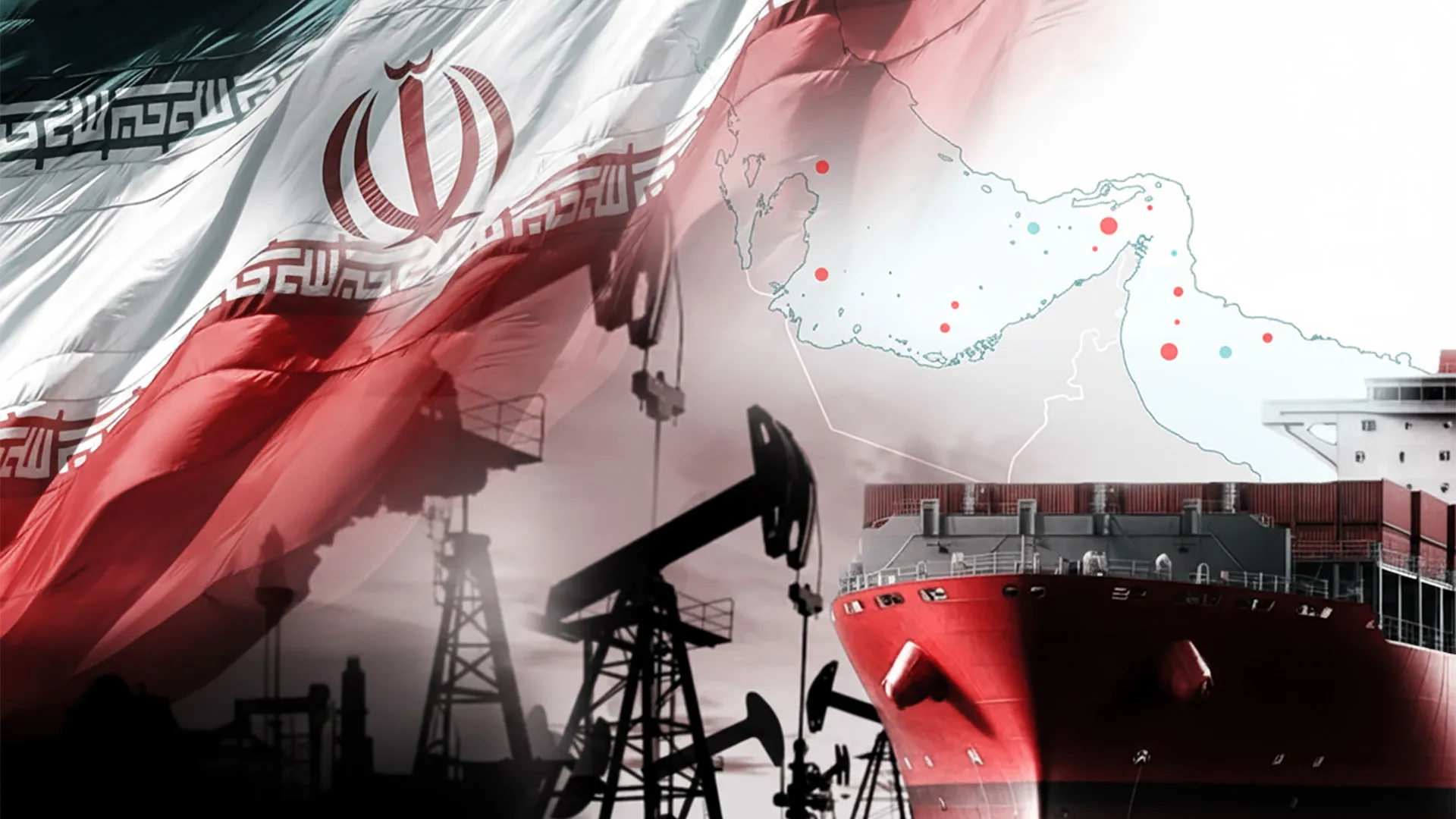
The United Nations has issued a stark warning that the United States-Israel war on Iran is driving up global fuel and food costs, creating a risk that 32.5 million people worldwide could be pushed back into poverty. The organisation states that the conflict is causing job losses and reducing remittance flows, with countries in the Global South facing severe economic fallout due to their dependence on imports from the Gulf.
This economic strain is being felt far beyond the Middle East, impacting the fields and homes of nations across Africa and Asia. The war is exacerbating existing vulnerabilities by increasing the cost of essential commodities, leaving governments scrambling to manage the fallout as international aid becomes increasingly scarce. The United Nations notes that the conflict is weakening economies that were already fragile, threatening to reverse recent gains in living standards for millions.
Countries in the Global South are particularly exposed to these shocks because of their high reliance on imports from the Gulf region. As the war continues, the rising prices of fuel and food are straining household budgets, while the drying up of remittances removes a critical income source for many families. This dual pressure on essential consumption and household earnings is deepening the economic crisis in these regions.
The United Nations highlights that the specific figure of 32.5 million people at risk is a projection based on current trends, though the final impact may vary depending on the duration and intensity of the conflict. While the extent of job losses and remittance reductions in specific regions remains to be fully quantified, the institutional warning underscores the immediate threat to global economic stability.
As governments struggle to cope with the rising costs and shrinking aid availability, the focus remains on how the United States-Israel war on Iran continues to reshape the economic landscape for the world's most vulnerable populations. The situation illustrates how geopolitical conflict in one region can rapidly translate into widespread humanitarian and economic hardship globally.