UN warns US-Iran conflict triggers global food security crisis
The United Nations World Food Programme has warned that the ongoing war between the United States and Iran is driving millions toward acute food insecurity, with projections indicating 1.5 million fewer people will be served in 2026 due to rising operational costs and price spikes.
The United Nations World Food Programme (WFP) has issued a stark warning that the ongoing conflict between the United States and Iran is precipitating a severe global food crisis. In an analysis published on Friday, the agency stated that the war’s impact on oil prices, exacerbated by the near-closure of the Strait of Hormuz, is causing substantial food price rises in fragile countries. The WFP noted that estimations made in March, which warned that 45 million people would face acute shortages if oil prices remained at $100 a barrel by June, are beginning to materialise.
While the global Food and Agriculture Organization (FAO) Price Index has recorded only a slight increase, the WFP found that substantial price hikes are already being felt in vulnerable nations. The agency described a "double squeeze" on the humanitarian system, where rising delivery costs and local food price inflation are creating coverage gaps. Consequently, the WFP estimates it will serve 1.5 million fewer people than originally planned for 2026.
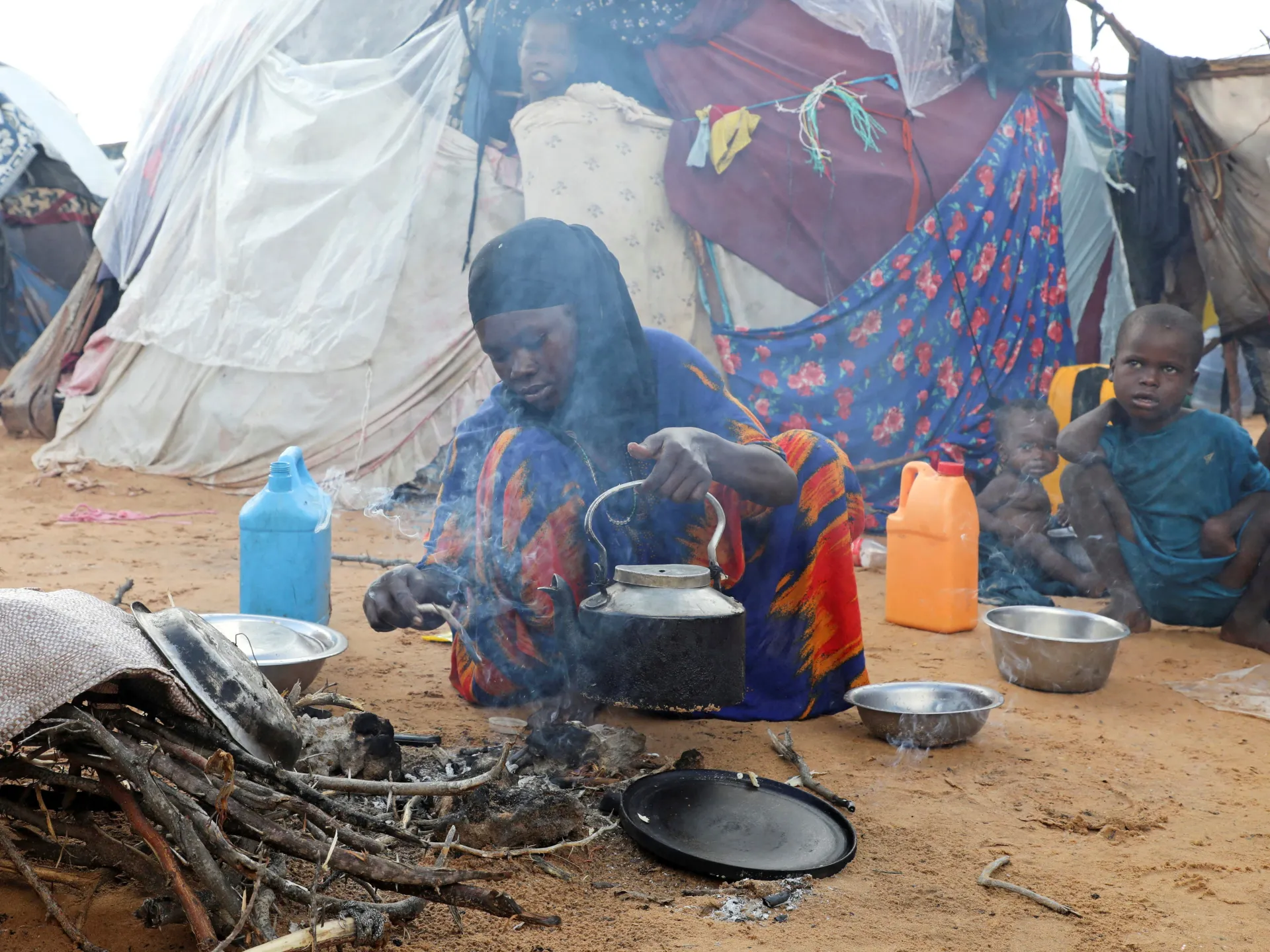
Households in Afghanistan, Somalia, and Sri Lanka are among the most severely affected by these economic shocks. In Somalia, 6.5 million people—roughly one-third of the population—are expected to face severe hunger in 2026. The WFP projects that almost 60 percent of households in Somalia will be unable to afford essential needs next year, an increase from 47 percent in 2025. Additionally, up to 2.5 million people in Somalia could be unable to afford a basic food basket.
Afghanistan faces similar pressures, with up to 17.4 million people potentially affected by food insecurity. The report indicates that up to 2.3 million people could become newly food insecure, adding to the 13.8 million who were already vulnerable before the conflict began. Both Afghanistan and Somalia are heavily reliant on imported energy and food, making them particularly susceptible to the fuel and income shocks generated by the war.
In Sri Lanka, projections suggest that up to 1.3 million people could be at risk of being unable to meet their basic food needs. The WFP warned that if the conflict persists for six months, more than 9 million people could lose humanitarian assistance due to a combination of higher operational costs and rising local food prices. Indirect negotiations between the US and Iran have stalled, with no clear end to the conflict in sight.
The US-Iran conflict began on 28 February, leading to the near-closure of the Strait of Hormuz, a critical chokepoint for global oil tankers. The WFP stated that the crisis is generating significant spillovers through trade disruptions and income losses. As these factors interact with pre-existing vulnerabilities, they quickly translate into visible impacts on food security and livelihoods across the affected regions.