UN warns Middle East conflict is triggering global hunger crisis
Jean-Martin Bauer describes a “double squeeze” on humanitarian aid, with funding cuts and soaring logistics costs leaving vulnerable populations in Somalia and beyond at severe risk.
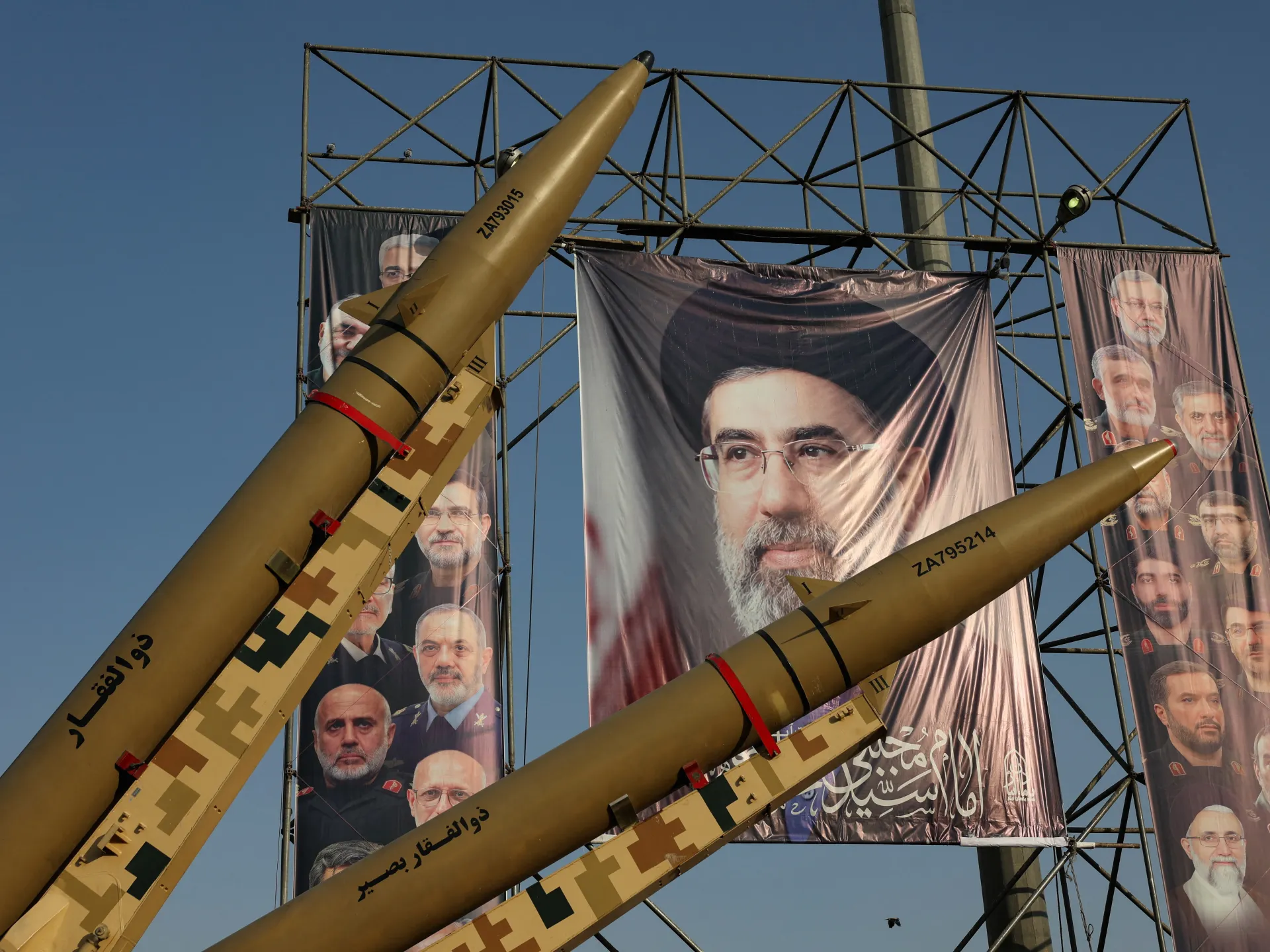
The United Nations has warned that predictions of a global hunger crisis driven by the ongoing Middle East war are materialising, with the conflict’s economic spillovers deepening food insecurity far beyond the region. The UN’s World Food Programme (WFP) stated on Friday that soaring oil and food costs, linked to US-Israeli strikes against Iran and the subsequent closure of the Strait of Hormuz, are creating severe disruptions to global supply chains.
Jean-Martin Bauer, director of the WFP’s food and nutrition analysis service, told reporters in Geneva that “pessimistic” projections made earlier in the year are now coming to pass. The agency estimates that if oil prices remain around $100 per barrel until the end of June, an additional 45 million people worldwide will face acute hunger. This figure adds to the 320 million individuals already considered food insecure at the start of 2026.
The humanitarian system is currently facing what Bauer described as a “double squeeze” of rising needs and rising delivery costs. This pressure is exacerbated by dramatic cuts to global aid funding, particularly following the return of US President Donald Trump to the White House. The WFP noted that while the situation resembles the global cost of living crisis of 2022, the humanitarian response capacity is significantly weaker than it was during the previous conflict-induced inflationary period.
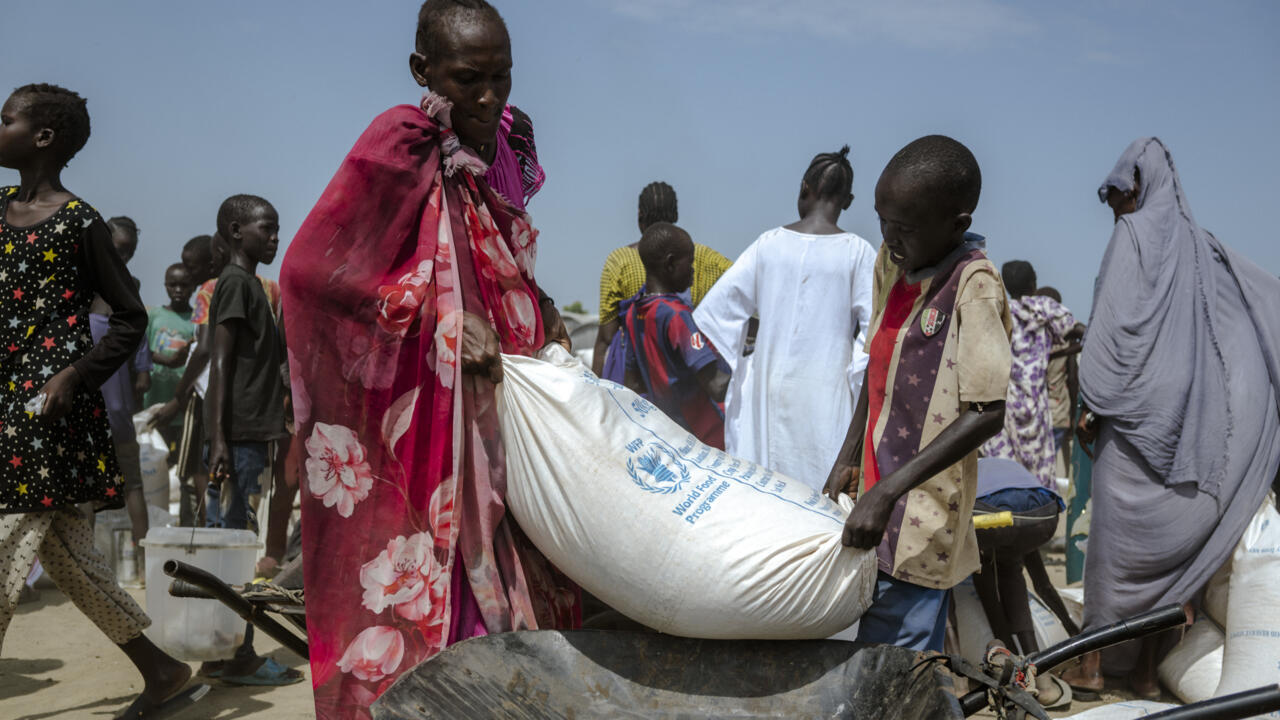
Consequently, the WFP has revised its operational targets, estimating it will serve 1.5 million fewer people in 2026 than originally planned. The agency warned that if the conflict persists for six months, more than nine million people could lose assistance entirely. In Somalia, where six million people are currently acutely food insecure, the agency risks running out of food to distribute within months, potentially leaving vulnerable children under the age of five without aid.
Compounding these logistical and financial challenges is the threat of a warming El Nino event, which poses a high risk of disrupting food markets and increasing stress on food security into 2027. With negotiations to reopen the Strait of Hormuz stalled, the WFP cautioned that the negative scenario is unfolding, requiring immediate international attention to prevent further deterioration of livelihoods in fragile states.