UN Secretary-General Guterres to visit Cyprus to revive stalled peace talks
Diplomatic sources indicate the immediate goal is to announce a structured informal meeting for late August or early September, rather than present a new settlement draft.
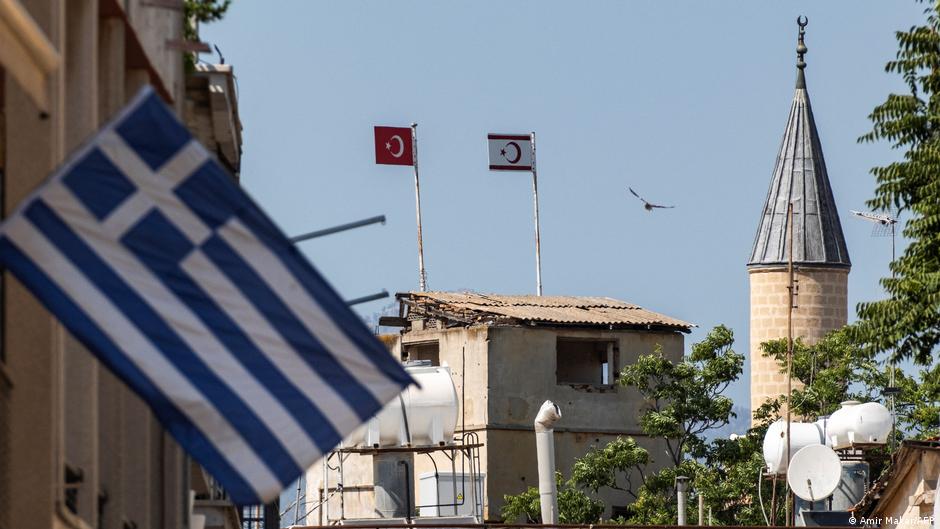
United Nations Secretary-General Antonio Guterres is scheduled to visit Cyprus from July 27 to 29, marking the first visit by a UN chief to the island in 16 years. The trip coincides with the 52nd anniversary of Turkey’s 1974 invasion, which resulted in the division of the island and remains one of the world’s longest-running unresolved disputes. The visit aims to restart the stalled peace process following consultations by UN envoy Maria Angela Holguin across Cyprus, Greece, Turkey, the United Kingdom, and Brussels.
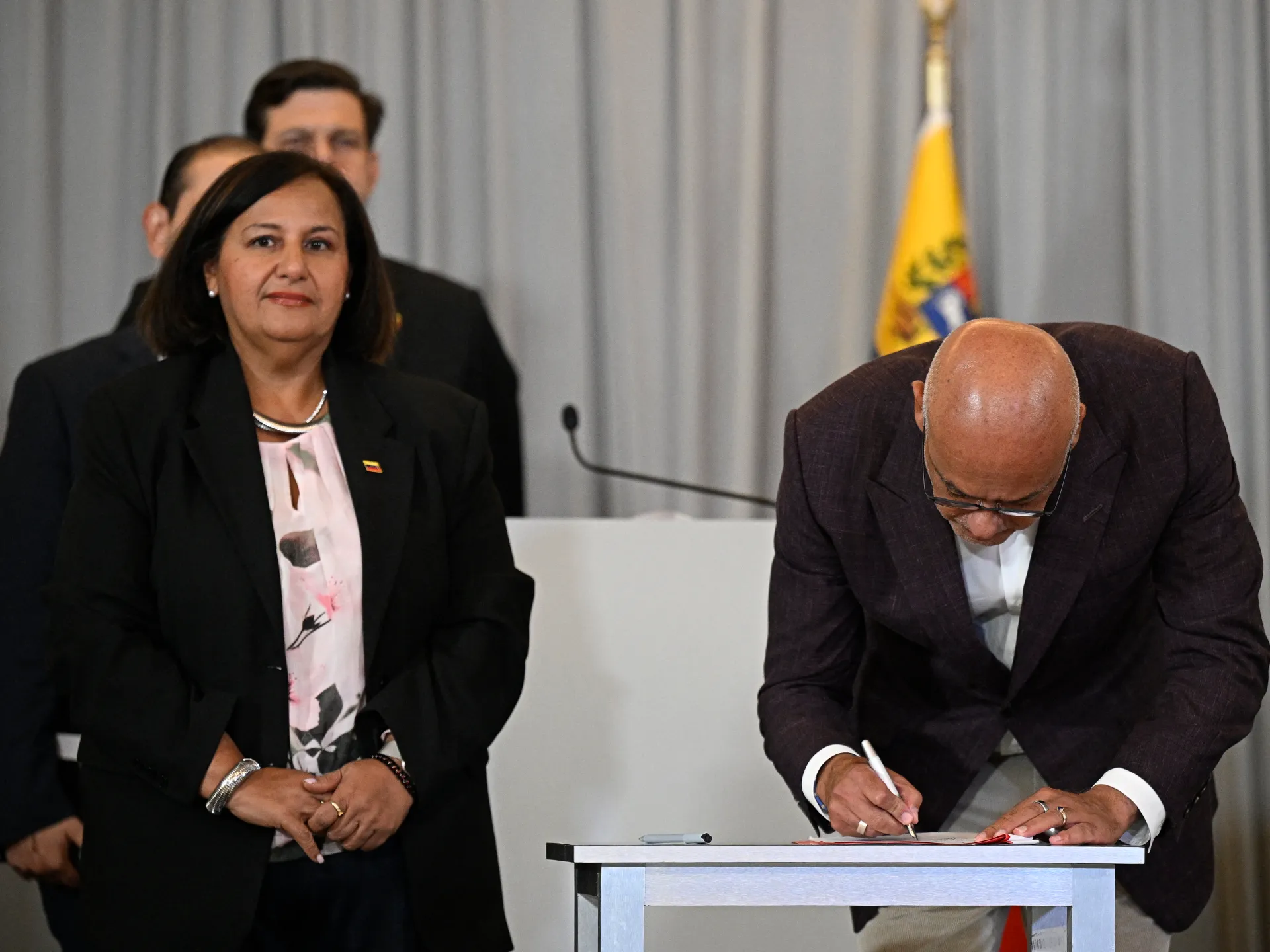
Guterres will hold separate meetings with President of the Republic of Cyprus Nikos Christodoulides and Turkish Cypriot leader Tufan Erhurman. A joint meeting between the two leaders and the UN chief is expected on July 29 at the residence of the UN Special Representative in the buffer zone. Diplomatic sources indicate that the immediate objective of the visit is not to discuss a draft settlement plan, but rather to announce a new, structured informal expanded meeting for late August or early September.
The proposed meeting would involve the leaders of the two Cypriot communities, the three guarantor powers under the 1960 treaties—Greece, Turkey, and the UK—and the United Nations. Unlike previous informal gatherings, the UN is reportedly seeking a clearer sequence of steps and a defined timeframe for the process. This approach follows an informal enlarged meeting on Cyprus held in Geneva in March, which launched the renewed UN initiative.
Reports from The Independent suggest the UN is exploring a revised settlement framework that retains the bizonal, bicommunal federation model but grants greater autonomy to constituent states and limits federal powers. The report claims this would include territorial adjustments, such as the return of Varosha and Morphou, and new security arrangements under NATO command. The UN has neither confirmed nor denied these reports, and President Christodoulides stated that not everything reported by the newspaper is accurate.
The diplomatic landscape has shifted with the election of Tufan Erhurman as Turkish Cypriot leader in October last year. Unlike his predecessor, who supported a two-state solution, Erhurman has indicated a willingness to resume negotiations on the basis of a bizonal, bicommunal federation. This change, alongside increased engagement from the European Union, including the appointment of Raffaele Fitto as the EU’s special representative, signals a broader international effort to create conditions for meaningful dialogue.