UN reports surge in civilian deaths as Russia-Ukraine conflict intensifies
The United Nations attributes the escalation to long-range missile strikes on urban centres and the widespread deployment of FPV drones, while diplomatic tensions rise following a fatal attack on a commercial vessel in Odesa.
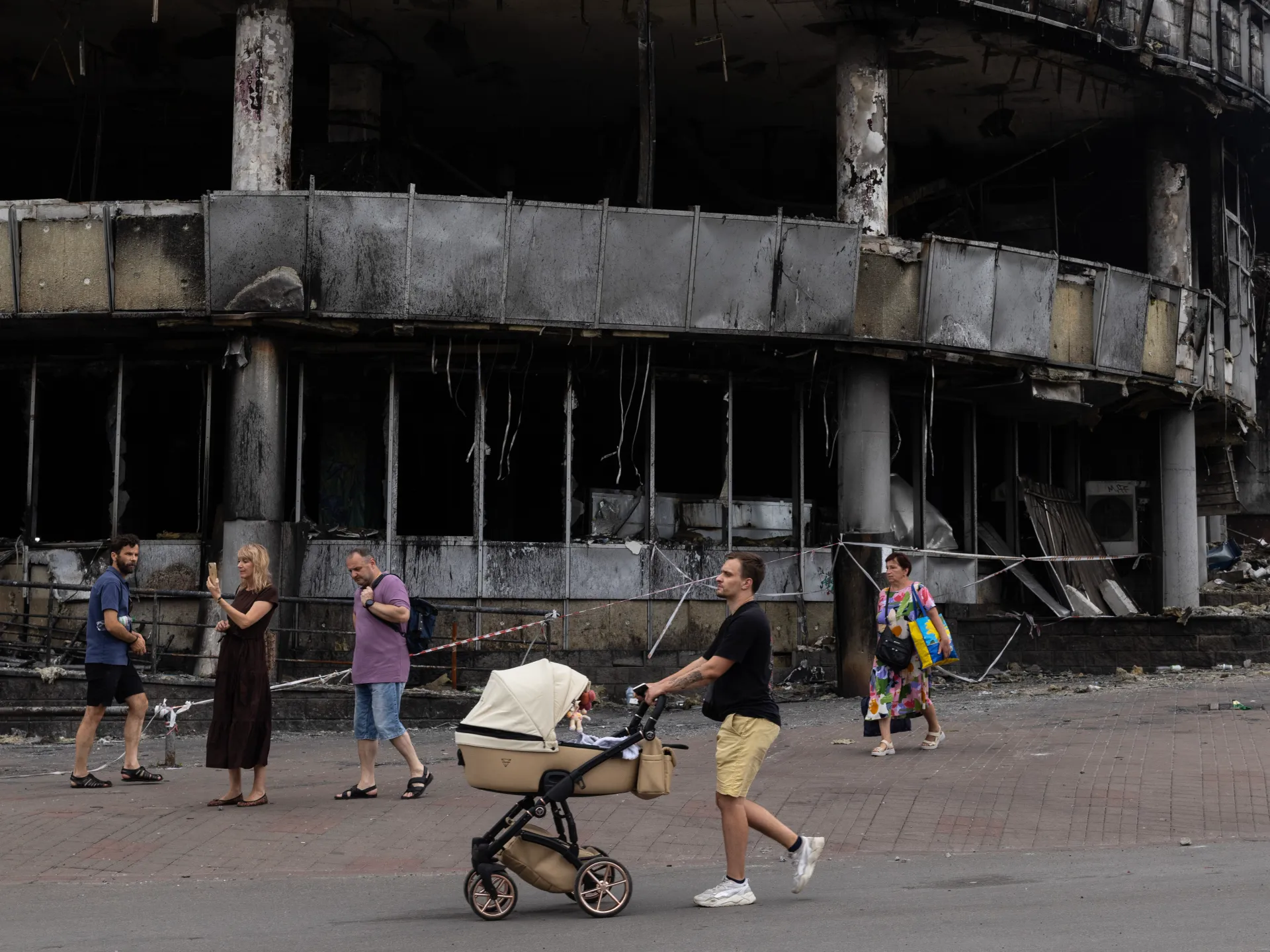
The United Nations has reported a sharp escalation in civilian casualties across the Russia-Ukraine conflict during the first six months of 2026, attributing the surge to the intensified use of long-range ballistic missiles and drones against densely populated urban areas distant from the front line. Danielle Bell, head of the UN Human Rights Monitoring Mission in Ukraine, told reporters in Geneva that the unit documented 1,396 civilians killed and 7,978 wounded in Ukraine between January and June. This figure represents a 37 per cent increase from the same period in the previous year and is nearly double the casualties recorded in 2024.
In Russia, the toll has risen even more steeply, with 250 civilians killed and 1,596 injured in attacks inside the country during the same timeframe. Bell noted that this constitutes a 121 per cent increase in civilian casualties within the Russian Federation compared to the previous year. The UN highlighted that both Moscow and Kyiv have intensified air strikes targeting each other’s vital infrastructure, a trend that has continued despite stalled US-led talks aimed at ending the invasion.
The report identified a second major driver of the rising death toll: the widespread deployment of short-range drones and glide bombs in frontline regions. Bell stated that civilian casualties from first-person view (FPV) drones increased by 65 per cent in the first half of 2026. These devices, which allow operators to see targets in real time, have fundamentally altered daily life in affected communities, with residents in areas such as Zaporizhzhia, Kherson, Kharkiv, and Dnipro reporting feelings of being constantly tracked during ordinary activities.
Diplomatic tensions have further escalated following a Russian strike on the Golden Leo, a Guinea-Bissau-flagged commercial vessel carrying corn, which was hit by three cruise missiles as it departed the Black Sea port of Odesa. The attack killed 10 crew members, including four Indians, and injured others. Odesa Governor Oleh Kiper reported that Russian strikes in the region had already resulted in 28 deaths in July alone, underscoring the persistent threat to civilian populations in coastal cities.
In response to the maritime attack, India summoned Russia’s charge d’affaires, Vladimir Ladanov, to protest the incident. The Indian external affairs ministry stated that attacks on commercial shipping undermine the safety and stability of international maritime commerce. Kremlin spokesperson Dmitry Peskov responded by stating that Moscow was explaining its position to New Delhi, asserting that armed forces are striking vessels involved in transporting ammunition and weapons for the Kyiv regime. Meanwhile, Ukraine has intensified its own retaliatory drone attacks on Russian territory, including strikes on oil depots and a warehouse that killed eight workers.