UN recalibrates Sahel role as regional alliances shift
After ending its Mali peacekeeping mission, the United Nations is relying on diplomacy, mediation and humanitarian work as Burkina Faso, Mali and Niger pursue greater strategic autonomy.
The United Nations is reassessing its role in the Sahel as regional governments assert greater control over security and political affairs. Al Jazeera reported that the UN’s engagement has shifted from large-scale peacekeeping towards diplomacy, mediation, humanitarian assistance and development.
The UN’s most visible regional operation, the Multidimensional Integrated Stabilization Mission in Mali, was established in 2013. Its mandate ended in June 2023 at the request of Mali’s transitional government, and its withdrawal was completed by the end of that year.
Political engagement continues through the UN Office for West Africa and the Sahel, a special political mission focused on preventive diplomacy, mediation, conflict prevention and political dialogue. The wider UN system remains involved in humanitarian and development work.
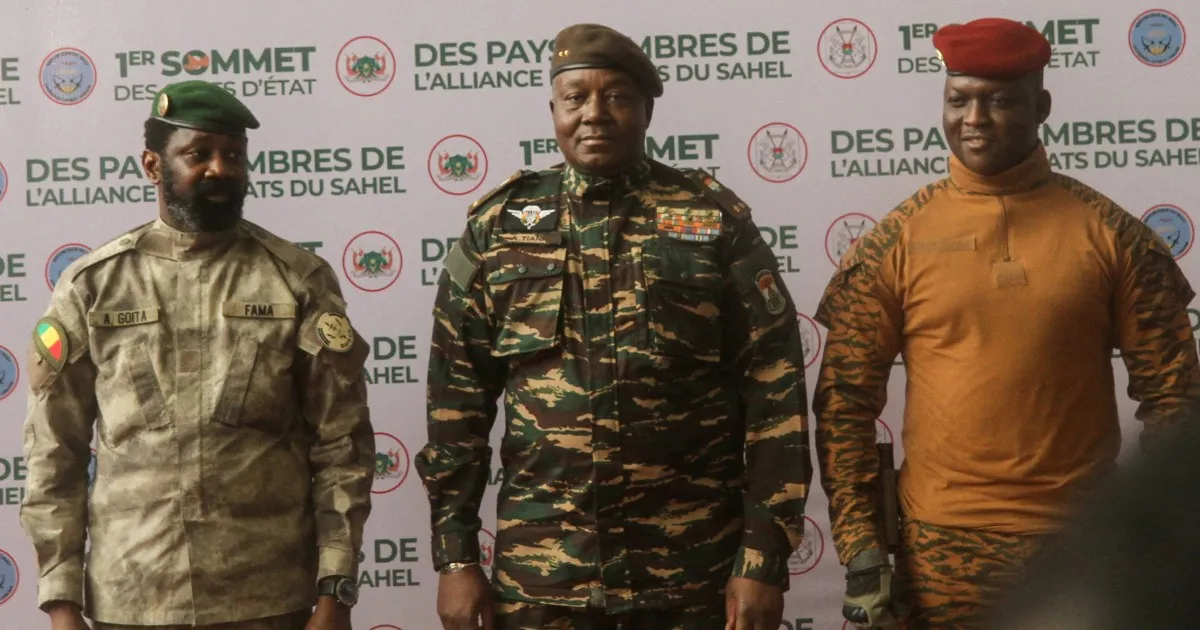
The operating environment has changed significantly. Burkina Faso, Mali and Niger left the Economic Community of West African States on 29 January 2025 and have deepened cooperation through the Alliance of Sahel States, placing sovereignty and strategic autonomy at the centre of their political outlook.
The UN Office for West Africa and the Sahel’s mandate was extended until 31 January 2029, alongside an independent strategic review due by 30 September 2026. The review comes as military governments, new regional alliances and competing security partnerships reshape West Africa’s political landscape.
Insecurity, displacement, organised crime, food insecurity and climate-related pressures continue across the region. The UN’s remaining influence will depend on its ability to maintain political access, support humanitarian operations and work through regional relationships in a fragmented security environment.