UN General Assembly reappoints Volker Turk as human rights chief despite US, Israel and Russia opposition
The UN General Assembly voted 144-10 to extend Volker Turk’s mandate for a further four-year term, overriding objections from Washington, Jerusalem and Moscow over his previous statements on Gaza, Ukraine and other conflicts.
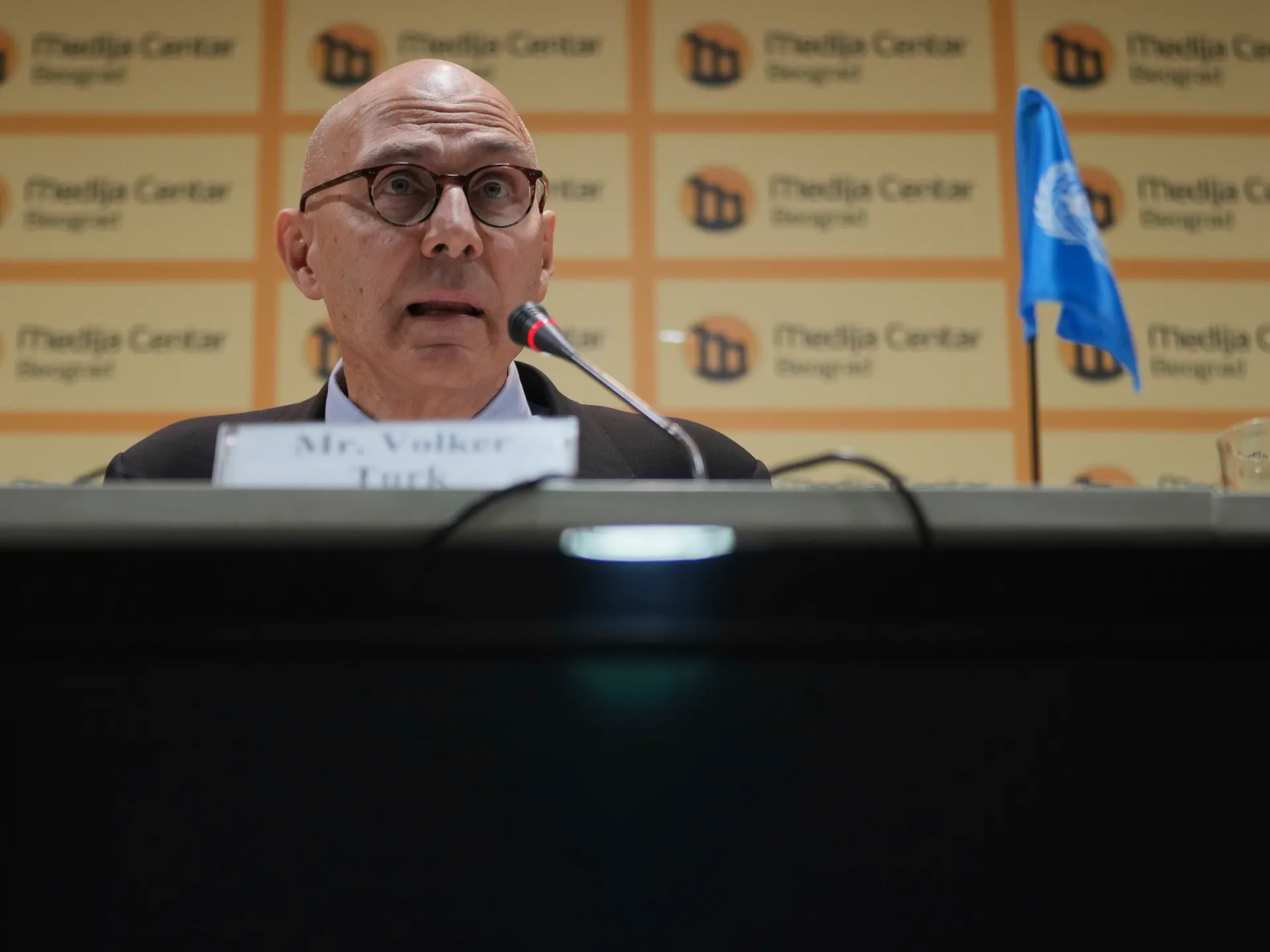
The United Nations General Assembly has voted 144 in favour to 10 against to reappoint Volker Turk as the UN High Commissioner for Human Rights for a further four-year term. The decision, which followed strong objections from the United States, Israel and Russia, makes Turk the first person to serve two full terms in the role since its creation in 1993. Turk, an Austrian lawyer who has held the position since 2022, secured the mandate despite a coordinated diplomatic push by several member states to delay or block the reappointment.
The vote proceeded after the Assembly rejected a US proposal to postpone the decision until the end of the following week, as well as a Russian bid to extend Turk’s current term only until the end of the year. The outcome underscores the significant geopolitical friction surrounding the office, which requires the commissioner to publicly criticise UN member states for alleged rights violations. Turk’s tenure has been marked by sharp criticism of Israel’s actions in Gaza, Russia’s invasion of Ukraine, and policies under the US administration of President Donald Trump.
Israel’s Ministry of Foreign Affairs issued a stinging critique of the reappointment, describing UN Secretary-General Antonio Guterres’s push for a second term as a “moral failure” and arguing the choice should have been left to his successor. The ministry accused Turk’s office of having “erased the atrocities of October 7” and betraying UN neutrality in favour of “corrupt political radicalism.” Similarly, Russia’s Deputy Ambassador to the UN, Dmitry Chumakov, accused Turk of bias and making unfounded allegations against Moscow regarding the conflict in Ukraine.
The United States Department of State condemned the vote as “another example of the UN’s inherent corruption and incompetence,” alleging that the process was rushed and that Turk had pursued a “radical ideological agenda” while ignoring real atrocities. US Deputy Ambassador Jeff Bartos warned that reappointing Turk would demonstrate that the General Assembly was “dysfunctional.” Critics also pointed to Turk’s decision not to join independent UN rights experts in accusing Israel of genocide in Gaza, and his handling of reports concerning China’s detention of Uighurs in Xinjiang.
UN spokesperson Stephane Dujarric defended the process, stating that Guterres had followed UN rules and engaged in a “very transparent manner” through prior consultations with member states and regional groups. Turk, who joined the UN in 1999 and served in senior roles under Guterres, has previously described Russia’s war in Ukraine as a “senseless” affront to international law and criticised the “dehumanisation” of immigrants under the Trump administration. His office maintained that he had used both private engagement and public advocacy to support human rights in China.