UN General Assembly adopts climate resolution following ICJ advisory opinion
The United Nations General Assembly voted 141 to eight in favour of the measure, with the United States, Russia, and Iran among the nations opposing the resolution.
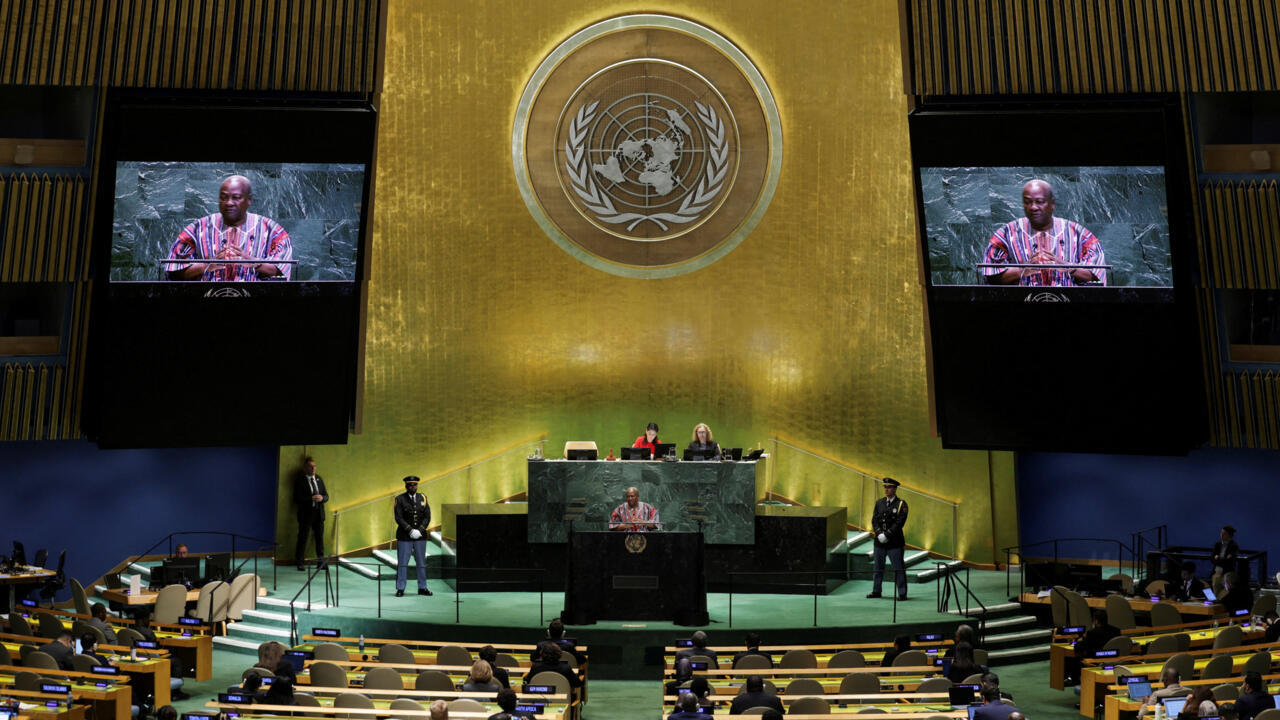
The United Nations General Assembly adopted a resolution reinforcing states’ obligations to combat climate change on Wednesday, a move driven by the Pacific island nation of Vanuatu. The vote passed with 141 votes in favour and eight against, directly responding to an International Court of Justice advisory opinion issued last summer. That opinion ruled that failure to meet climate commitments is unlawful, a decision that exceeded the expectations of climate advocates by opening the door to reparations for affected countries.
The resolution calls on states to comply with their obligations to protect the climate and emphasizes the need to transition away from fossil fuels in energy systems. This aligns with the goal of limiting global warming to 1.5C above pre-industrial levels, a target adopted by nearly 200 countries during a global climate meeting in 2023. UN Secretary-General Antonio Guterres praised the adoption of the text, commending island leaders and young people for their moral clarity in bringing the world to this moment.
However, the final text was significantly weakened under pressure from major greenhouse gas emitters. Negotiations saw climate change take a back seat to national security or industrial interests in many countries. Notably, the proposed International Register of Damage, intended to compile evidence of harm attributable to climate change, was omitted from the adopted resolution. Oil-producing nations Saudi Arabia and Kuwait sought amendments to remove references cementing the ICJ opinion as a guiding framework and used procedural tactics to delay the vote.
The United States, Russia, and Iran were among the eight nations that voted against the resolution. Tammy Bruce, Washington’s representative to the meeting, argued that the text included inappropriate political demands relating to fossil fuels and other climate topics. The opposition highlights the ongoing tension between states bearing the heaviest burden of climate disruption and those contributing most to the problem.
Vanuatu’s ambassador to the UN, Odo Tevi, stated that states bearing the heaviest burden are often those who contributed least to the problem. Climate advocates, including Vishal Prasad of Pacific Islands Students Fighting Climate Change, hope the idea of a damage registry will be reconsidered, bolstered by a report from the UN chief. They view the resolution as a turning point in accountability, noting that frontline communities have waited far too long for justice.