UN flags looming humanitarian disaster in Somalia as aid gaps widen
The World Food Programme warns that approximately six million people face high levels of hunger, citing a convergence of drought, conflict and severe reductions in international funding.
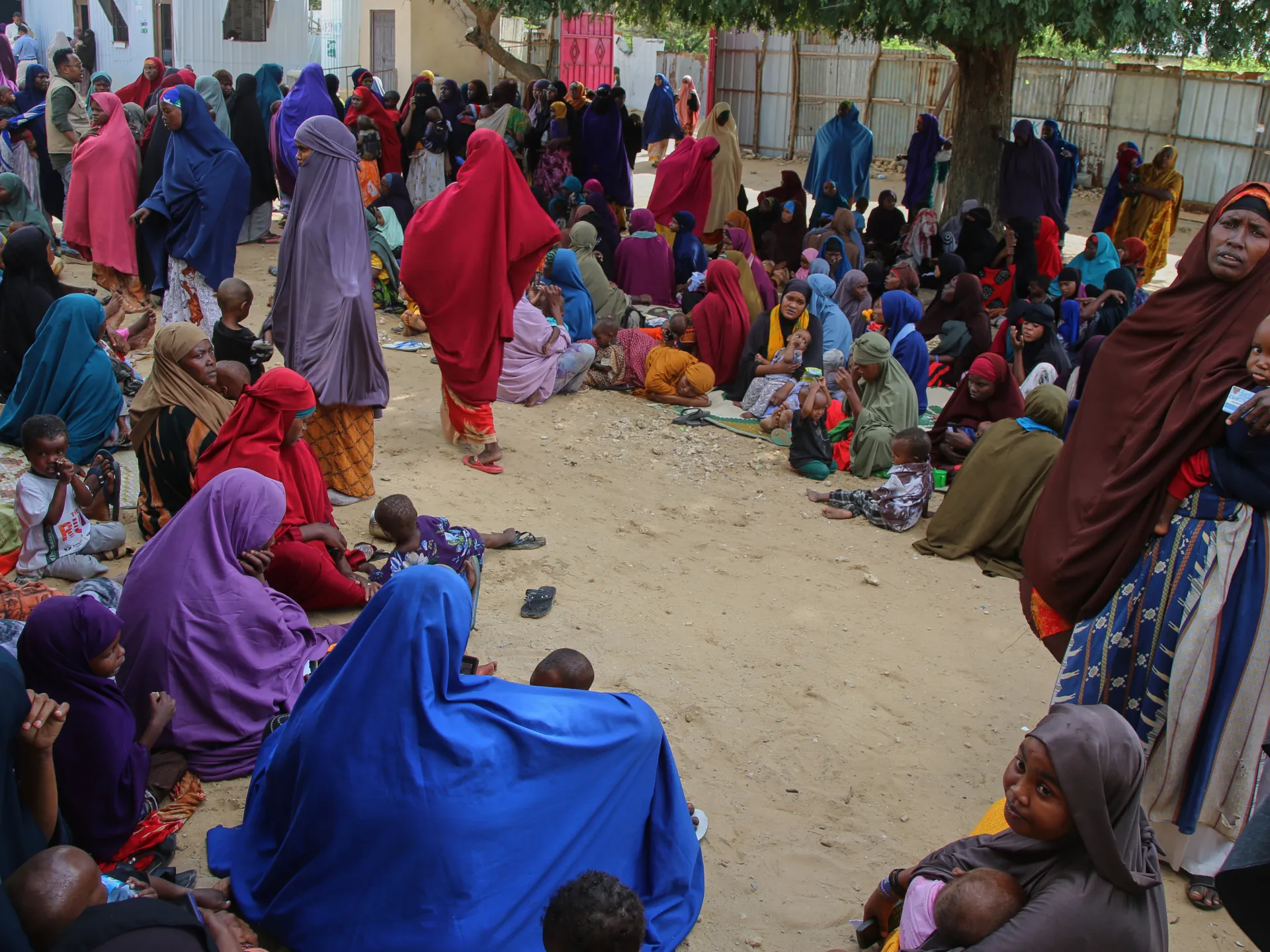
The United Nations has issued a warning of an impending humanitarian disaster in Somalia, identifying a critical gap between the scale of need and the resources available to address it. According to the World Food Programme (WFP), approximately six million people are currently facing high levels of hunger, a scale of food insecurity described as not seen in years.
The WFP attributes the deteriorating conditions to a combination of structural and immediate factors, including prolonged drought, ongoing conflict and mass displacement. The agency notes that these pressures have been exacerbated by severe cuts in international aid, leaving the organisation with only a fraction of the funding required to provide adequate assistance to the affected population.
This funding shortfall occurs against a backdrop of chronic instability, which has complicated aid delivery in the region for more than three decades. The current crisis is characterised by the WFP as a convergence of these long-standing logistical challenges and recent financial constraints, resulting in a situation where many Somalis are not receiving sufficient food.
The warning from the UN highlights the fragility of the humanitarian response in the Horn of Africa. While the specific figure of six million refers to those facing high levels of hunger rather than immediate starvation, the agency’s assessment suggests that without significant intervention, the situation is poised to worsen further.
The report underscores the institutional strain on the WFP, which must now navigate a complex operational environment with limited financial backing. The agency’s position reflects a broader concern regarding the sustainability of aid programmes in regions where political and climatic shocks are becoming increasingly frequent.
As the UN continues to monitor the situation, the focus remains on the disparity between the estimated need and the available resources. The current assessment serves as a policy signal to international donors, indicating that the existing level of support is insufficient to avert a wider humanitarian collapse in Somalia.