UN 2025 child labour target missed as 138 million remain in work
Global estimates indicate that one in 17 minors is engaged in child labour, with structural drivers including poverty, conflict, and climate shocks preventing the eradication of the practice despite the passing of the UN’s 2025 deadline.
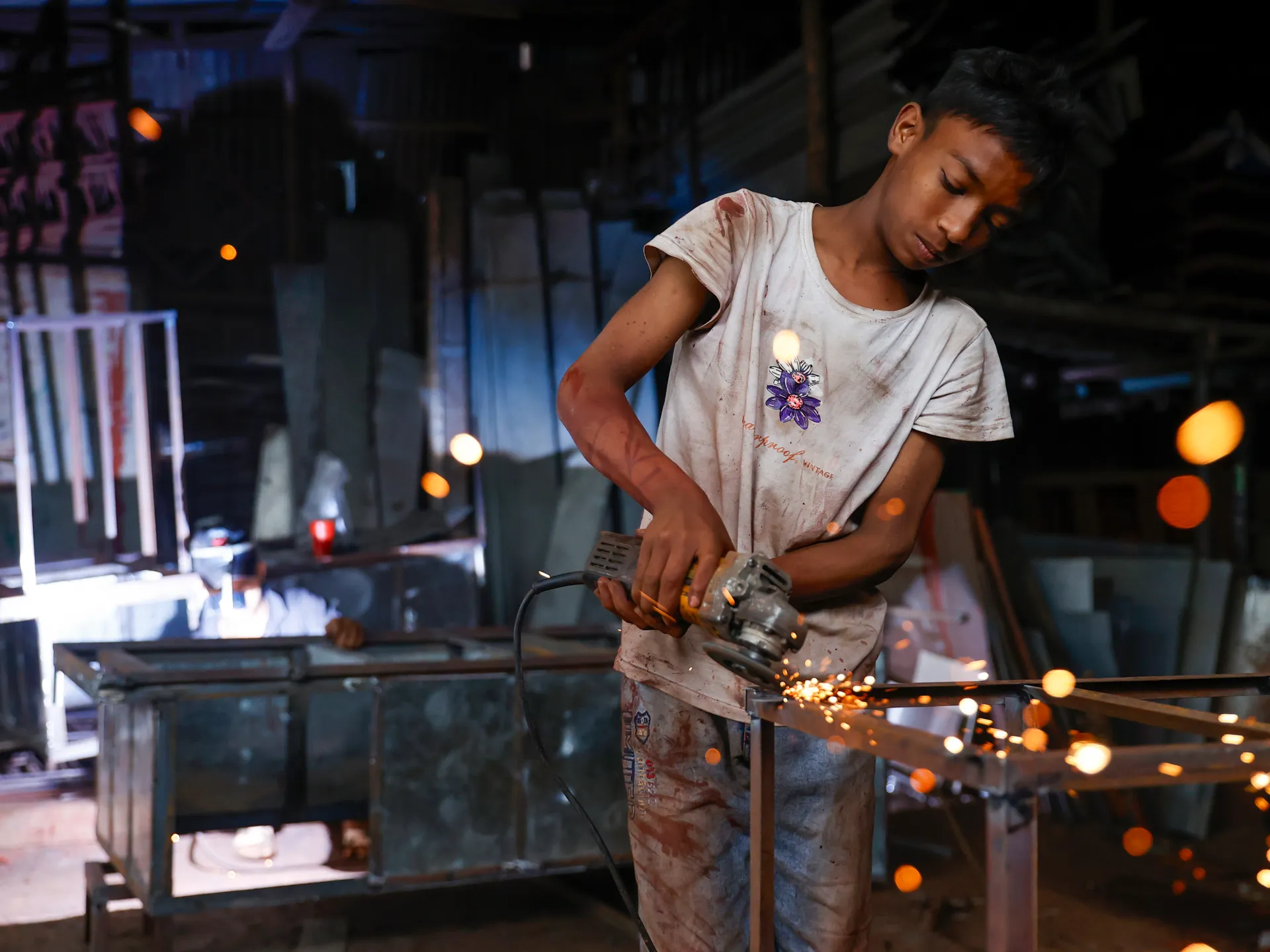
On World Day Against Child Labour, Al Jazeera published an analysis of the latest estimates from the International Labour Organization (ILO) and UNICEF, revealing that approximately 138 million children, or one in 17, are engaged in child labour globally. The data indicates that 54 million of these children are involved in hazardous work, a figure that underscores the failure to meet the United Nations’ 2015 goal to eradicate the practice by 2025.
Agriculture remains the dominant sector for child labour, accounting for 61 percent of cases and employing roughly 84 million children. These minors are frequently engaged in farming, fisheries, forestry, and livestock production, often performing heavy physical labour, handling toxic chemicals, or operating dangerous machinery. The informal and family-based nature of these rural economies makes regulation difficult, with work often commencing before sunrise and directly competing with schooling.
Sub-Saharan Africa continues to be the most affected region, with 87 million children in child labour, a number exceeding the rest of the world combined. Lucia Soleti, acting UNICEF deputy representative in Ghana, noted that child labour remains widespread in West Africa, driven by poverty, limited access to social services, and climate and economic shocks. In Ghana alone, more than 1.1 million children aged five to 17 are affected, primarily in agriculture but also in mining, fishing, and domestic work.
The remaining child labourers are distributed across services, which account for 27 percent of cases, and industry, which comprises 13 percent. While Asia and the Pacific have recorded the sharpest reductions in child labour, the practice remains embedded in global supply chains for food, clothing, and minerals. Mona Aika, acting chief of child protection at UNICEF in Nigeria, attributed the slow reduction in Sub-Saharan Africa to structural factors including conflict, displacement, population growth, and weak social protection systems.
Experts warn that the prevalence of hazardous work causes lasting damage to children’s physical and mental development and traps families in cycles of intergenerational poverty. Aika emphasised that addressing the issue requires more than training or enforcement, calling for stronger child protection systems, education access, and sustained government-led action to support rural livelihoods and prevent displacement.