Umpires hold sole discretion over bad light calls in Test cricket
ICC regulations confirm that light meters serve as guidelines rather than automatic triggers, with safety thresholds varying by venue and series.
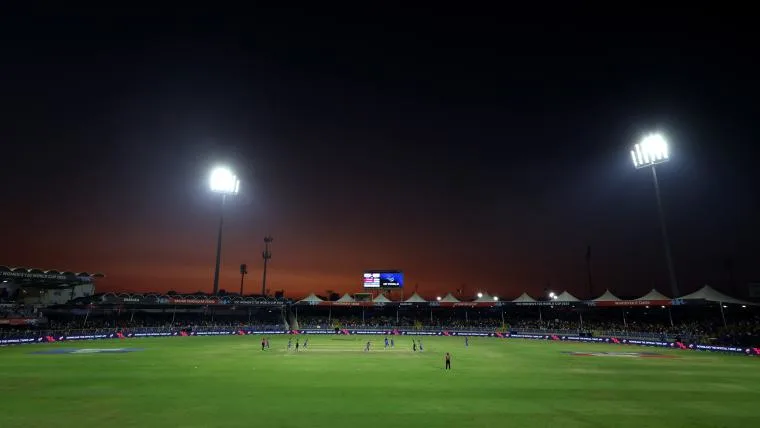
The determination of bad light in Test cricket remains a discretionary power vested exclusively in the match umpires, rather than a mechanical process governed by fixed numerical thresholds. According to reporting from Cricket News, the International Cricket Council’s playing conditions do not mandate a universal cut-off reading that automatically halts play. Instead, the decision is a subjective assessment of on-field conditions, prioritising player safety over the continuation of the contest.
Section 2.8.5.3 of the ICC’s Test playing conditions outlines the procedural framework for these decisions. The regulations permit the use of light meters to record and support the umpires’ judgement regarding whether conditions have deteriorated or improved. The device functions as a tool for consistency within a specific match, rather than a standalone arbiter of playability.
A critical aspect of the protocol is the establishment of a baseline. The first light meter reading taken when the umpires deem conditions unfit sets the benchmark for the remainder of that specific match. This initial measurement provides a reference point for subsequent checks, allowing the officials to determine if visibility has improved sufficiently to resume play or if conditions have worsened further.
The lack of a global standard is driven by the varying physical characteristics of different grounds. Studies cited in the source material indicate that the unsafe light level at The Oval is lower than that at Lord’s. Factors such as stadium architecture and the direction of the sunset influence how light interacts with the playing surface, necessitating venue-specific thresholds.
The primary rationale for stopping play is the mitigation of injury risk. A red leather ball travelling at high speed becomes significantly harder to track in low-light conditions. Batters, wicketkeepers, and close-in fielders have minimal reaction time, making reduced visibility a genuine safety concern rather than a matter of convenience.
While floodlights can extend the duration of play, they do not fully compensate for very poor natural light. The umpires must assess the combined effect of artificial and natural illumination to ensure that players can safely track the ball. This nuanced approach underscores the governance model of Test cricket, where human judgement remains central to operational decisions.